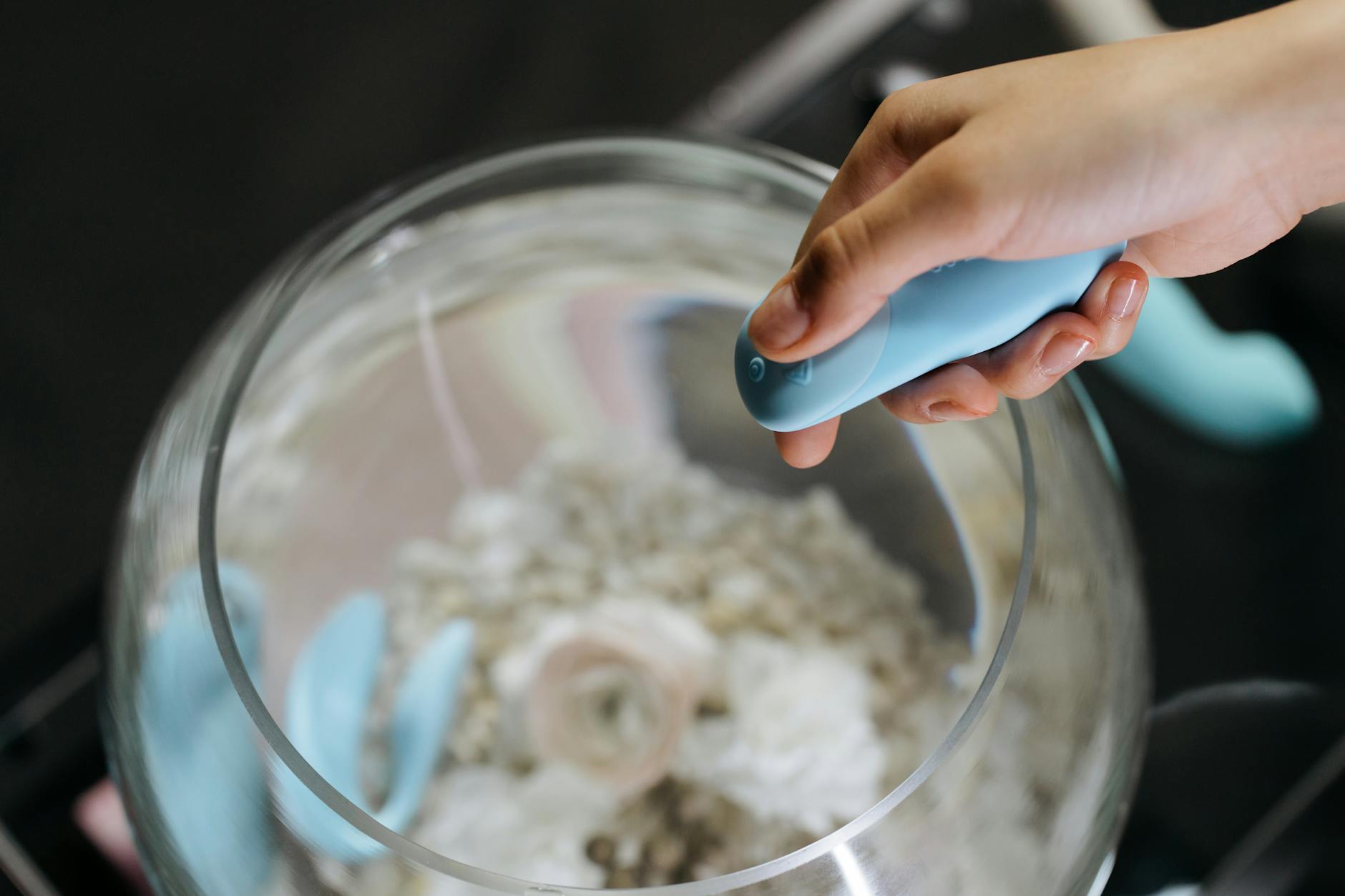
Does Lemon Vibrator Intensity Increase Over Time With Use
Here's the thing nobody talks about: your lemon vibrator might feel different three weeks in than it did on day one. And you're not imagining it. But what's actually happening is way more interesting than you think.
The real question isn't whether the device itself changes. It's whether your body, your nervous system, or your approach to using it is shifting. Those are three completely different conversations, and they matter because they change how you troubleshoot when something feels off.
The desensitization myth (and why it's not quite right)
Let's start with the thing everyone assumes: your clitoris gets used to the vibration and stops responding as strongly. That's the simplified version. The actual neurology is messier and more interesting.
Desensitization is real. It's a well-documented phenomenon in sensory science. When the same stimulus hits your nerve endings repeatedly, they can temporarily require more intensity to fire the same response. It's why a vibrator that felt wild in week one might feel manageable in week four.
But here's where it gets nuanced. Desensitization to vibration doesn't mean the same thing as desensitization to pleasure. Your clitoral tissue and the nerve pathways that feed it are not the same thing. One can adapt while the other stays responsive. Clinical research on vibrator use shows that most people don't develop true, permanent tolerance. Instead, what happens is more specific: certain vibration patterns become familiar, and your nervous system filters them out as less novel.
This is actually protective. Your body is getting smart about threat detection. It's saying: "Okay, this sensation again. File it away." That doesn't mean it stops working. It means your nervous system has classified it as safe and routine.
What's probably actually happening
In my work with couples navigating sexual wellness, I've observed a pattern that shows up regardless of whether someone is using a lemon vibrator, a suction toy, or anything else: perceived intensity often shifts based on context, not neural changes.
Three things usually happen in those first weeks.
1. Your expectations recalibrate. Week one, you're curious and slightly nervous. Your nervous system is sympathetically activated. Touch feels sharper. Everything is heightened. By week four, you're familiar. You know what to expect. The novelty is gone, which sounds like a loss but often means you're now in a parasympathetic state where you can actually feel pleasure more deeply, even if the initial shock is less intense.
2. You stop bracing. Most people unconsciously tense their pelvic floor when they first try a new device. It's a protective response. After a few uses, you relax into it. A relaxed pelvic floor allows for more nuanced sensation and, often, stronger orgasms. So it's not that the vibrator got weaker. It's that your body stopped fighting it.
3. You're probably using it differently than you think. If your lemon vibrator feels less intense, the first thing to check is: are you actually running it at the same setting? Many people unconsciously dial back intensity as they become familiar with a toy. Or they're starting at a higher pattern number than they used to, which feels less intense but isn't because the baseline is different.
When intensity actually does shift (and it's not your clitoris)
There are scenarios where a lemon clitoral vibrator legitimately feels more or less intense over time, and none of them are about your nerve endings giving up.
Battery degradation is real. If your toy is rechargeable, over dozens of charge cycles, the motor might run slightly lower at full charge. After six months to a year of regular use, some people notice their Lem vibrator feels marginally less intense at the highest setting. This isn't desensitization. The device is actually performing at slightly lower output. Fully charging it and maintaining good battery health (not letting it fully drain repeatedly) helps, but it's inevitable long-term.
Tissue changes matter too. If your body is going through hormonal shifts, grief, stress, or physical illness, your tissue responds differently to vibration. Less estrogen means thinner, more sensitive tissue that can feel either more intense or, if you're bracing against discomfort, less satisfying. If you're on antidepressants that blunt sensation, your clitoral response might legitimately flatten. That's not your Lem failing. That's your physiology sending a different signal.
Partner dynamics change things. If you started using your lemon vibrator solo and then shifted to using it with a partner, the emotional context is different. Arousal state is different. Performance pressure exists. That context can absolutely make the same physical sensation feel more or less intense, even though the vibrator hasn't changed.
How to actually test what's happening
If you're genuinely concerned that your Lem vibrator or another lemon sexual toy has lost intensity, here's the diagnostic path I recommend.
Start with the obvious: charge it fully overnight and run it on the highest setting you've ever used. Feel it buzz in your hand or against your palm. Does it feel as strong as it did months ago? If yes, your device is fine. If no, the motor might be degrading and it's worth contacting Hello Nancy support.
Next, use it solo in a low-pressure environment. No clock-watching, no performance goals. Just exploration. See what patterns and settings actually feel best right now. You might find that what felt intense in week one feels sort of frantic now, and pattern three feels richer. That's not a problem. That's learning.
Then consider the broader context. What's different in your life? More stress? Hormonal changes? Partner situation? Medication? Any of those can shift how your nervous system responds to stimulation, and none of it means your Hello Nancy toy is broken.
The adaptation advantage nobody mentions
Here's the bit that surprised me when I started talking to long-term vibrator users: most of them don't want to go back to the intensity level they started with. Once they've adapted, they prefer the feel of patterns and sensations they discovered later. The novelty wore off, sure. But the pleasure often got more sophisticated.
You learn what actually works for your body instead of what shocks your body. You get calmer during use. Your orgasms often become more controllable and sometimes more intense because you're not fighting your own nervous system.
Desensitization, when it happens at all, usually plateaus within a month or so. You don't keep losing sensation. Your nervous system settles at a new baseline, and you work from there.
The practical stuff: what actually helps
If you've noticed that using your lemon vibrator feels less novel or intense, here's what genuinely shifts things.
Switch patterns. Most clitoral vibrators including the Lem have multiple intensity levels and vibration patterns. If you've been using pattern one at intensity level five every time, your nervous system has filed that away as "safe, routine." Try pattern three or four. Try switching between patterns during a session instead of staying with one.
Change timing and context. If you always use your lemon clitoral vibrator at night before bed, try afternoon. If you always go solo, try with a partner present (or switch from partnered to solo if that's your usual). Context shifts perception dramatically.
Take breaks. Sounds counterintuitive, but a week or two off vibrator use can reset your sensitivity. You don't need to, but it helps if you're feeling like nothing is landing.
Check your nervous system. If you're stressed, grieving, or in a relationship conflict, your parasympathetic nervous system is probably offline. That changes everything about sensation. Meditation, time outside, or couple's work can sometimes do more for your sexual response than anything else.
Adjust the approach. Instead of starting at intensity level three, start at level one and work up. Instead of using it for five minutes, try 15. Duration, pacing, and buildup matter more than raw intensity.
FAQ: Your Lemon Vibrator Questions Answered
Does your body get immune to vibrator use?
Not really, no. Your nervous system gets familiar with specific patterns and can temporarily filter them out as less novel, but true desensitization to vibration is rare and usually reversible with time or a different stimulus. Most people adapt rather than becoming immune.
Can you become addicted to lemon vibrators if they feel really good?
Addict is loaded language. Your nervous system can prefer a highly rewarding stimulus over partnered sex or slower foreplay, especially if vibration is how you've trained yourself to reach orgasm. That's not addiction. That's conditioning. It's also fixable by diversifying your approach.
Why does my lemon sexual toy feel less intense when I'm stressed?
Stress activates your sympathetic nervous system. That triggers pelvic floor tension and dulls sensation as a protective response. You're not broken. You're in fight-or-flight mode. Relaxation, time, and lowering stakes helps.
Is there a best frequency to use a clitoral vibrator without issues?
There's no magic number. Daily use is fine. Weekly use is fine. The key is listening to your body. If you notice soreness, irritation, or numbness, ease back. If everything feels good, go ahead. Most people naturally vary their use without thinking about it.
Should you use different vibrators to prevent tolerance?
Not necessarily. Many people use the same Lem vibrator for years without real tolerance issues. That said, mixing up patterns, intensity levels, and approaches within the same device does help. And if you want variety, that's reason enough without needing the tolerance justification.
What's the difference between tolerance and preference?
Tolerance is your body needing more stimulus to feel the same response. Preference is your brain deciding it likes a different sensation better. Most of what people call "tolerance" is actually preference. You're not numb. You just got bored with the same pattern and found something more interesting.
Here's what actually matters
Your lemon vibrator isn't broken. Your body isn't broken. What's probably happening is adaptation, which is normal and not something to fix. Novelty fades. Familiarity sets in. Sometimes intensity feels different. Sometimes it just feels better because you're less nervous and more present.
If you're genuinely concerned about motor degradation or if your device stops working entirely, reach out to Hello Nancy support. But most of the time, when people say their vibrator "doesn't work anymore," what they mean is it feels different. And different is almost always about context, not about your device giving up on you.
Your pleasure matters. Your comfort matters. And your body's ability to adapt and learn is actually a feature, not a bug. Lean into it.
If you're dealing with shifts in sensitivity or have questions about what's normal with regular toy use, reach out to our support team at /contact. We're here to help you figure out what's happening.