Let's talk about what actually changes
Menopause doesn't kill pleasure. But it does shift the landscape. Estrogen drops, tissue thins, lubrication changes, and the timeline for arousal stretches. What doesn't change is your capacity for sensation, orgasm, or enjoyment. Most of my clients report their most satisfying experiences come after menopause, once they understand what's shifted and adjust accordingly.
Here's the truth: you're not broken. Your body has just entered a different phase, and your technique needs to match it.
Why sensation feels different post-menopause
Three physical changes happen together. First, reduced estrogen thins vaginal tissue and the clitoral hood. Second, natural lubrication decreases significantly. Third, the timeline for arousal lengthens. Add in the fact that many people have spent decades prioritizing a partner's pleasure over their own, and menopause becomes a moment to recalibrate entirely.
The neural pathways for pleasure don't change. Your clitoris still has the same nerve density. Your brain still fires the same way during arousal. What changes is the mechanical pathway to get there. And that's actually fixable with three specific adjustments.
Adjustment one: add lubrication from the start
I don't recommend water-based lube because something is "wrong." I recommend it because thinner tissue benefits from glide. Use it liberally, reapply often, and don't treat it as optional.
Water-based lubes work best with silicone toys like the Lemon Massager's clitoral vibrators because they provide consistent glide without damaging the material. Silicone-based lubes can degrade silicone toys over time, so stick with water-based formulas designed for sensitive skin. Reapply every 5-10 minutes if you're going longer than that, or whenever sensation starts to feel dry or uncomfortable.
Adjustment two: extend your warm-up window
Arousal takes longer post-menopause. Budget 20-30 minutes instead of 5. This isn't because you're slower or broken. It's because reduced estrogen means your body needs more time to build blood flow and lubrication naturally.
Start with touch that has nothing to do with your genitals. Kiss, caress, talk, breathe together if you have a partner. This isn't foreplay as a thing to "get through." It's the main event. Once you feel warmth building in your body, move toward your clitoris. Start with your hands or a partner's hands before introducing a toy.
Adjustment three: begin at lower intensity
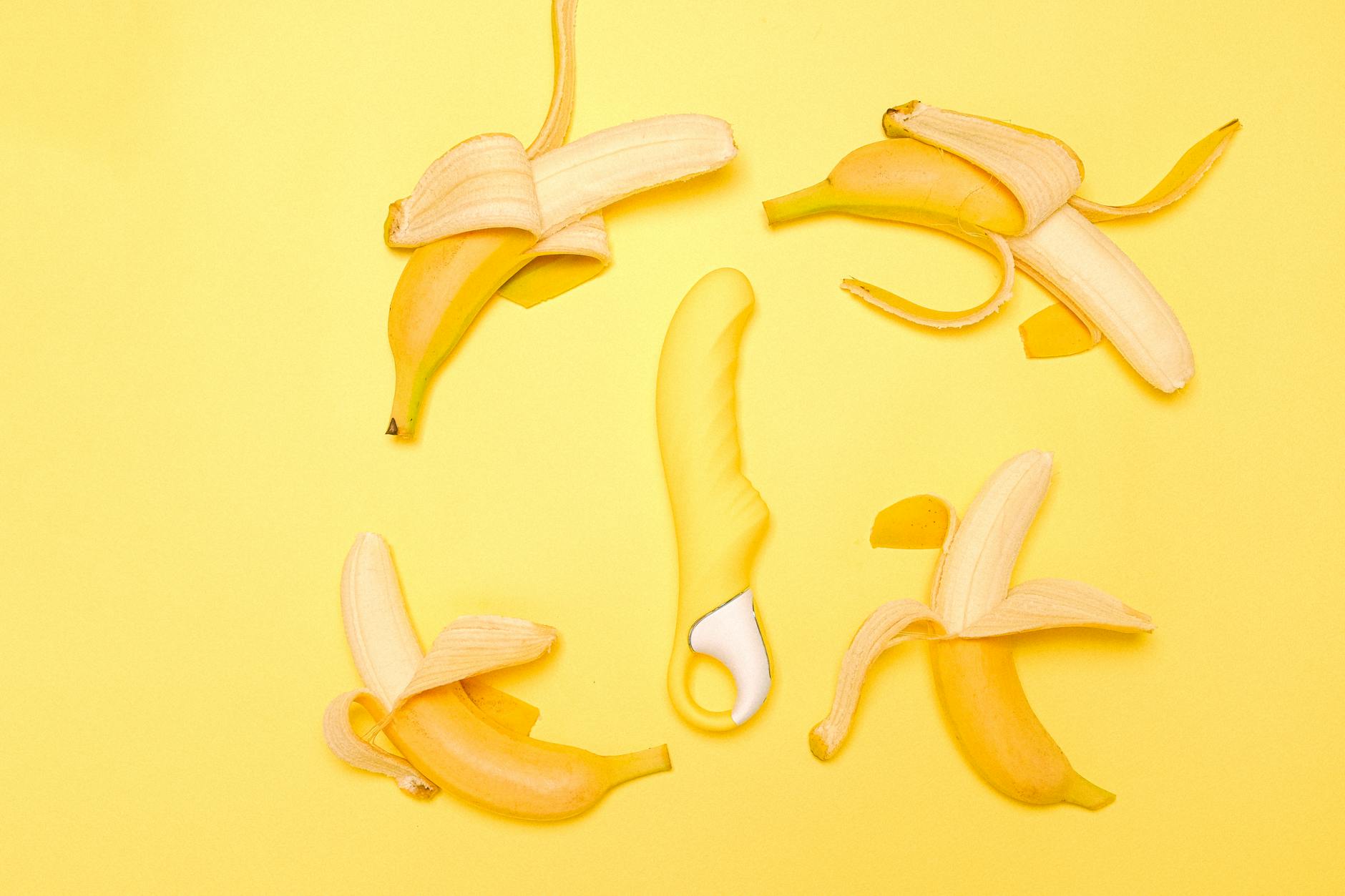
The Lemon clitoral vibrator and other lemon sexual toys offer multiple intensity levels for exactly this reason. Start at pattern 1 or 2, not level 5. Your tissues are more sensitive to direct pressure now, not less sensitive. Thinner tissue doesn't need more vibration. It needs gentler, more consistent stimulation.
Many people post-menopause find that suction-based stimulation, like what the Lemon Massager provides, feels better than traditional vibration. Suction doesn't rely on direct friction. It uses gentle pressure waves to stimulate the nerves in the clitoral complex, which can feel more nuanced and satisfying on changed tissue.
Adjustment four: understand the new timeline
Orgasm might feel different. Sometimes shallower. Sometimes more internal. Sometimes intensely concentrated. This doesn't mean you're not climaxing. It means the sensation has shifted in shape and location. Many clients report that post-menopausal orgasms feel more full-body and less localized, which they actually prefer once they stop expecting the exact sensation from before.
Give yourself permission to explore what feels good now, not what felt good at 35. That exploratory mindset alone changes everything. You're not trying to recreate a past experience. You're discovering a new one.
When to use lemon vibrators solo versus partnered
Post-menopause is often the first time people feel truly comfortable exploring pleasure on their own terms. Without fertility concerns or hormonal cycles dictating mood, solo exploration becomes less pressured. Many of my clients report that understanding their own body solo first, then bringing that knowledge to a partner, creates better communication and more satisfying partnered experiences.
If you're with a partner, be explicit about what's changed and what hasn't. "My body needs more warm-up time" is different from "I'm less interested." Separating those two conversations prevents resentment and opens space for actual connection. The best couples I work with treat menopause as a moment to redesign intimacy together, not as a loss.
The role of pelvic floor health
Pelvic floor tension often increases after menopause because of reduced estrogen support. A tight pelvic floor can actually reduce sensation and make orgasm harder to access. Before introducing a toy, try a few minutes of pelvic floor breathing. Breathe in for 4 counts, consciously relax your pelvic floor (the opposite of a Kegel), exhale for 4 counts. Do this 10 times. You'll notice immediate softening, which makes toy use more pleasurable.
If pelvic floor tension is severe, consider seeing a pelvic floor physical therapist before troubleshooting with toys. They can assess whether tightness or weakness is the issue and give you exercises tailored to your situation.
Building sensation gradually with lemon adult toys
Starting low and building up isn't boring. It's strategic. Use the Lemon Massager at pattern 1 for a few sessions, noticing what sensations emerge. Once that feels familiar, try pattern 2. Let your nervous system acclimate to the sensation rather than chasing intensity.
This gradual approach also helps you notice subtle shifts in sensation that higher intensity masks. Post-menopause, these subtle sensations often contain the most pleasure. You're not trying to overwhelm your clitoris. You're trying to wake it up and listen to what it's telling you.
Communication with partners during this transition
If you have a partner, involve them in the adjustment process. Show them what speeds feel good, where you want touch, how long you need to warm up. Let them hold the vibrator while you guide their hand. This isn't awkward. It's the opposite. It's intimacy built on real information instead of assumptions.
Many partners feel relieved when they learn that pleasure isn't ending, just changing shape. Menopause often coincides with partners' own midlife shifts. Framing this as a moment to rebuild connection together, rather than managing decline, changes everything about how you both approach it.
When to seek professional support
If pleasure has completely disappeared, see a gynecologist trained in menopause. Genitourinary syndrome of menopause is real and treatable, often with topical estrogen creams that have minimal systemic absorption. If pain appears during use, stop and get evaluated. Pain is information, not something to push through.
If desire has flatlined and isn't returning with any intervention, testosterone therapy is worth discussing with a menopause-trained provider. It's prescribed conservatively in the US but is available and often life-changing for the right person.
The mindset shift that matters most
Here's what I tell every client entering this phase: menopause isn't the end of your sexual life. It's a plot twist. You get to rewrite the story based on what you actually want, not what you thought you should want at 25. Many people discover more pleasure post-menopause than they ever had before, not because their bodies changed for the better, but because their heads finally got out of the way.
Your pleasure matters. Not as a side effect of partnered sex. Not as something to earn. It matters on its own. Post-menopause is often the first time you have permission to act like it's true.
People also ask
Can you still have orgasms after menopause with a lemon vibrator?
Absolutely. Your capacity for orgasm doesn't disappear. What changes is the pathway to get there. Most people find that with the right approach, lemon clitoral vibrators feel more effective after menopause than traditional toys because suction-based stimulation doesn't rely on direct friction that can feel uncomfortable on thinner tissue.
How long should warm-up take when using a lemon sexual toy post-menopause?
Aim for 20-30 minutes of general arousal before introducing the vibrator itself. This isn't a hard rule. Listen to your body. Some days you'll be ready in 15 minutes. Some days it takes 40. The key is never rushing the process. Your nervous system needs time to downshift, blood flow needs to build, and natural lubrication needs to activate.
Is it normal for orgasms to feel different after menopause?
Completely normal. Post-menopausal orgasms often feel less localized and more full-body. Some people describe them as quieter, deeper, or more internal. This isn't a lesser experience. It's a different one. Give yourself time to adjust your expectations and explore what this new sensation feels like.
Should you use more lube after menopause when using lemon vibrators?
Yes. Use more lube than you think you need, apply it generously at the start, and reapply every 5-10 minutes. This isn't optional. Thinner tissue post-menopause needs consistent moisture to feel good. Water-based lubes work best with silicone lemon vibrators and are compatible with condoms if that's relevant for you.
Can a lemon vibrator help with arousal that takes longer after menopause?
Yes, but not as the first step. The vibrator is most effective once your body is already warming up. If you introduce it cold, it won't feel as good. Warm up with touch, conversation, or penetration first. Then bring in the vibrator once you feel heat and lubrication building. This sequencing makes everything feel better.
What intensity should you start with on a lem vibrator post-menopause?
Start at pattern 1 or the lowest setting available. Your tissues are more sensitive to pressure, not less. Lower intensity for longer often creates better sensation than high intensity for a short time. You can always increase the setting. You can't undo discomfort, so begin conservatively and build from there based on what actually feels good.