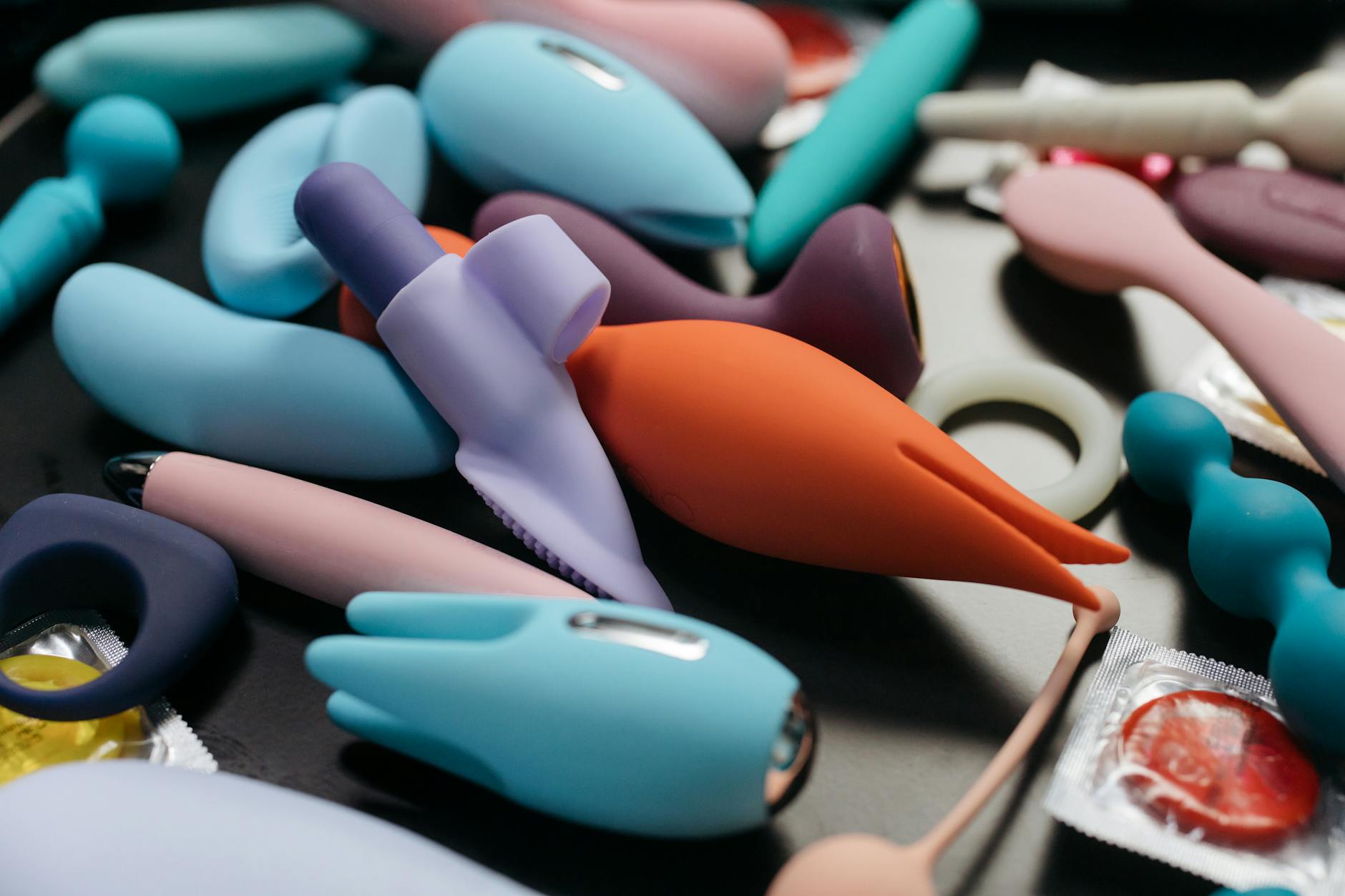
Here's the part nobody warns you about
Antidepressants save lives. They also flatten pleasure in ways nobody explains during that first prescription conversation. SSRIs, SNRIs, and certain other psych meds work by adjusting serotonin and norepinephrine in your brain. That's great for mood stability. It's brutal for orgasms.
Your body doesn't stop working. Your nerves don't die. But the signal between physical sensation and the part of your brain that processes pleasure gets muted. It's like someone turned down the volume on your own nervous system.
The good news? It's not irreversible, and you don't have to choose between mental health and sexual pleasure. A lemon clitoral vibrator changes the game because it works with the mechanism that's still functional, not against it.
Why regular vibrators feel like nothing
Most vibrators rely on frequency and pattern. They buzz at a set speed and hope your body recognizes that as pleasure. When you're on SSRIs, that signal gets intercepted somewhere between your skin and your brain. You feel the vibration. You just don't feel the excitement.
Lemon vibrators operate completely differently. They use suction and air-pulse technology instead of traditional buzzing. That distinction matters because suction works on nerve endings in a more direct, forceful way. It's not asking your brain to process a delicate signal. It's creating sustained pressure that your nervous system registers as distinct stimulation, even when pleasure pathways are dampened.
Think of it this way. A regular vibrator is a text message your brain might miss. Suction is a phone call. Same nervous system, different delivery method.
The mechanism that still works
Antidepressants affect how your brain processes certain neurotransmitters. But they don't change the physical structure of your clitoris or the non-chemical sensation of pressure and touch. The clitoris has about eight thousand nerve endings. Suction activates them mechanically, independent of serotonin levels.
When you use a lemon vibrator, the suction creates a seal and then rhythmic pressure against the clitoral tissue. That sustained pressure triggers a different neural pathway than traditional vibration does. Your body still feels it. And with consistent use, many people report that orgasms become not just possible again, but genuinely intense.
This is backed up in clinical conversations with people using SSRIs and other medications. The consistency is striking. Suction tools bridge the gap in a way standard toys just don't.
How to actually use one when your body feels numb
Start with the assumption that you're going to need longer warm-up time and more stimulation than before your medication. That's not a sign something's broken. It's just the new reality, and it's workable.
First, external only, no penetration. A lemon vibrator on its lowest setting, applied externally to the clitoris. Many people spend five to ten minutes just getting used to the sensation. You might not feel pleasure yet. You might just feel pressure. That's fine. Keep going.
Second, build up gradually through patterns. Most lemon clitoral vibrators have multiple modes. Start with a steady pulse. Stay there until you feel something shift, even slightly. Then try the next pattern. There's no rush. Your goal is to find which mode or combination of modes triggers the strongest response from your particular nervous system.
Third, add intentional arousal. Watch something that appeals to you. Think about someone. Read erotica. Use your imagination while the vibrator is working. Antidepressants don't kill your fantasy capacity. They just disconnect it from physical sensation. You have to manually bridge that gap by holding both simultaneously.
Fourth, stay consistent. This is the part people skip. Your nervous system needs repetition to rewire this pathway. Using a lemon vibrator once a week won't do it. Daily or near-daily use for at least two weeks usually shows noticeable improvement. Then you can back off to whatever frequency works for your life.
The positioning that matters
Because suction works differently than vibration, placement is more crucial. You want the entire opening of the lemon vibrator in full contact with the clitoral tissue. This isn't about pressing hard. It's about creating a complete seal.
Most people find that a slight angle works better than straight-on. Tilt the vibrator slightly away from your body, so the seal is centered on the most sensitive part of the clitoris. Then let the suction do the work. You're not grinding. You're holding still and letting the tool create rhythmic pressure.
If you're not feeling anything after five minutes at the lowest setting, reposition slightly. Sometimes moving half an inch changes everything. This is not a failure. This is calibration.
Mental blocks that complicate things
When pleasure pathways have been dulled by medication, your brain sometimes gets defensive. You might feel frustrated or even ashamed that you need a toy to access something that used to happen more easily. That's a completely normal response to a real neurological change. It's also a blocker.
Let yourself off the hook. Your medication is serving you. Your body is serving you. Using a tool that helps you access pleasure while maintaining your mental health is not settling. It's problem-solving.
Some people also get stuck waiting to feel what they felt before. That's not the goal. The goal is pleasure that works for your current neurological state. It might feel different. It might be slower to build. It might require the tool every time. All of that is completely fine.
When to consider talking to your doctor
If you've been on the same antidepressant for months or years and the sexual side effects feel unbearable, that's worth a medical conversation. Sometimes switching to a different SSRI or adding a secondary medication that counteracts sexual side effects can help without compromising your mental health.
Your doctor needs to know what you're experiencing. They've heard it before. They have options. And none of those options involve choosing between staying well and having a sex life.
That said, many people find that adding a lemon clitoral vibrator to their routine is enough. They stop looking for a pharmaceutical solution because the mechanical one works.
What to expect over time
People often report that sensitivity improves after three to four weeks of regular use. Orgasms that took thirty minutes to build might start taking twenty. The intensity might increase. Sensation might feel less numb overall, not just during sexual activity.
This isn't permanent neurological change. You're not rewiring your brain away from the antidepressant's effects. You're training your nervous system to recognize and respond to a different kind of stimulation. If you stop using the vibrator for a few months, you'll probably find your pleasure response settles back to where it was.
That's not a problem either. It just means you have a tool that works for you, and you use it when pleasure matters to you.
FAQ: Antidepressants and lemon vibrators
Will using a lemon vibrator reduce my need for antidepressants?
No. A vibrator is not a psychiatric intervention. It's a pleasure tool that works around medication side effects. Keep taking your antidepressant exactly as prescribed. The vibrator is purely for sexual pleasure, not for mood regulation.
Can I use a lemon vibrator if I'm on multiple psychiatric medications?
Yes, absolutely. The mechanism works regardless. You might need even longer warm-up time or higher intensity settings if you're on a combination that particularly dampens pleasure. But the suction approach still bypasses traditional vibration limitations.
How often should I use a lemon vibrator to see improvement?
Daily or near-daily for the first two to three weeks gives the best results. Then you can taper to whatever rhythm feels natural. Some people use theirs several times a week long-term. Others find they only need it occasionally. Both are fine.
Will the pleasure I feel with a lemon vibrator ever feel as easy as it did before medication?
Possibly, but that's not guaranteed. For some people, yes. For others, it requires the tool indefinitely. Either way, you're reclaiming pleasure. That's the win.
Is it normal that orgasms take so long now?
Yes. Antidepressants delay orgasm in most people. Thirty minutes to an hour is completely normal. It's not a sign you're doing it wrong. It's just how SSRIs work.
Can I use a lemon vibrator with a partner?
Absolutely. Many people find it's easier to enjoy a vibrator with a partner than alone, since you can focus on the physical sensation and your partner's presence rather than your own expectations. Some couples make it part of foreplay or partnered sex.
The bottom line
Antidepressants and pleasure don't have to be mutually exclusive. You don't have to choose between mental health and sexual satisfaction. A lemon clitoral vibrator works with your medicated nervous system, not against it. It takes patience, consistency, and permission to try something different. But for most people, it works.