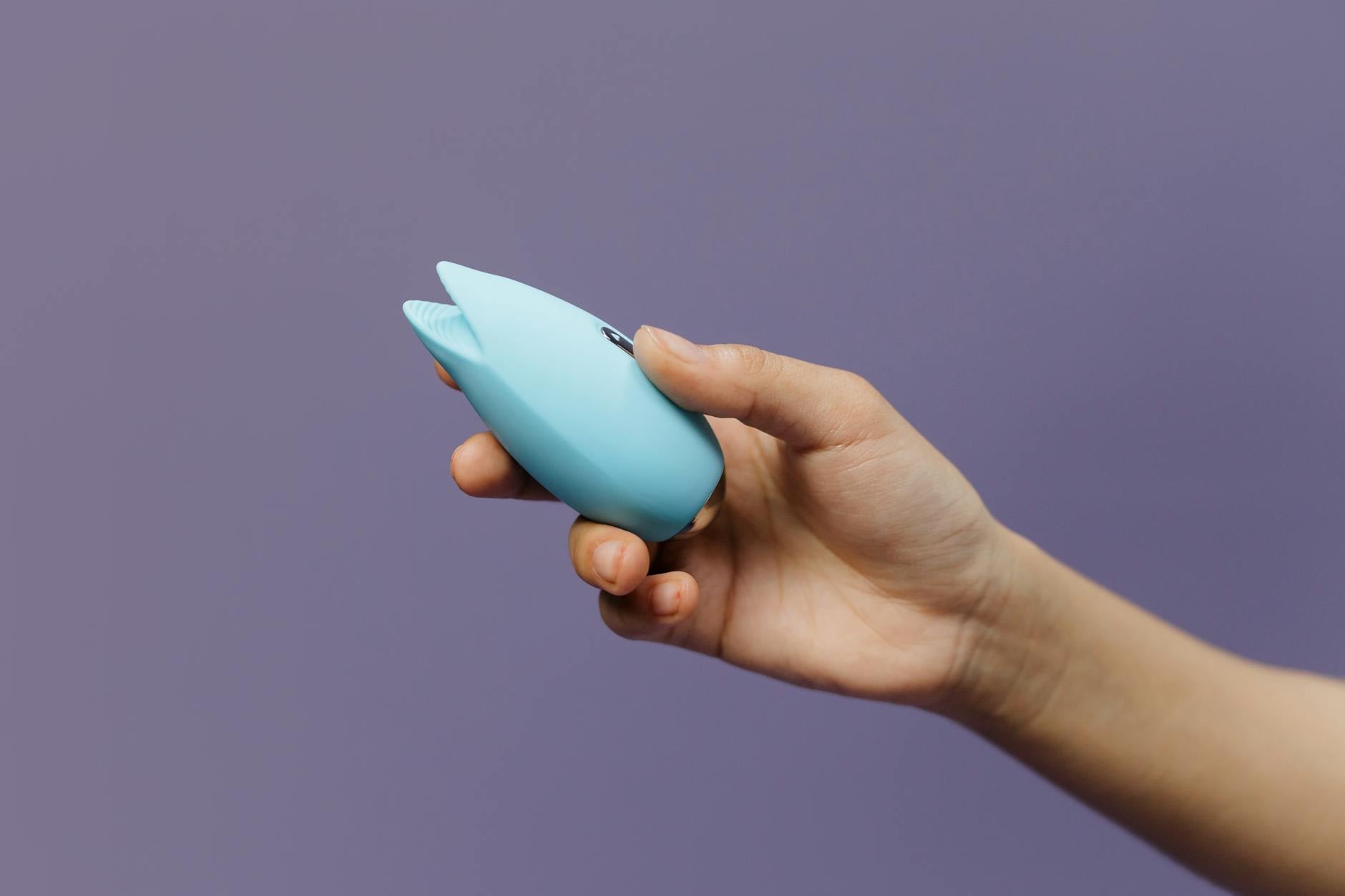
The conversation nobody's having enough
Your antidepressant is keeping you alive. It's probably also making it harder to come. Both things are true. Both things matter.
When you started SSRIs or SNRIs, nobody handed you a manual on how pleasure would change. Your doctor probably didn't mention it. Your pharmacy didn't include a note. You figured it out alone in the dark, which is exactly where you shouldn't have to figure it out.
Here's what I see in my practice over and over: people think sexual side effects mean their body is broken. It doesn't. It means your nervous system has shifted the way it processes stimulation. That's fixable. Lemon vibrators work for this reason specifically because they bypass the usual pathway that medication dampens.
How antidepressants actually affect sensation
SSRIs (like sertraline, paroxetine) and SNRIs (like venlafaxine, duloxetine) work by raising serotonin levels in your brain. The upside: you're not drowning in anxiety or depression anymore. The side effect: serotonin also regulates arousal and orgasm. When it goes up overall, the sexual response cycle often gets slower to ignite and harder to finish.
Specific things that happen:
- Arousal takes longer to build. Your body isn't sluggish. Your threshold just moved higher.
- The clitoris stays less engorged, even when you're turned on. Blood flow is reduced.
- Orgasms become harder to reach, or weaker when they do arrive.
- Desire itself sometimes disappears, not because you don't want your partner, but because the chemical signal for wanting anything gets muted.
This isn't your fault. It's not your partner's fault. It's pharmacology.
The good news: this is also why air-pulse technology (like the lemon clitoral vibrator) works where traditional vibration often doesn't. Traditional vibrators rely on direct friction and intensity. When your nervous system is muted by medication, you're just pushing harder against a padded nerve ending. The lemon sucker technology uses gentle, repetitive suction pulses that stimulate nerves in a completely different way, bypassing some of the numbing that serotonin reuptake causes.
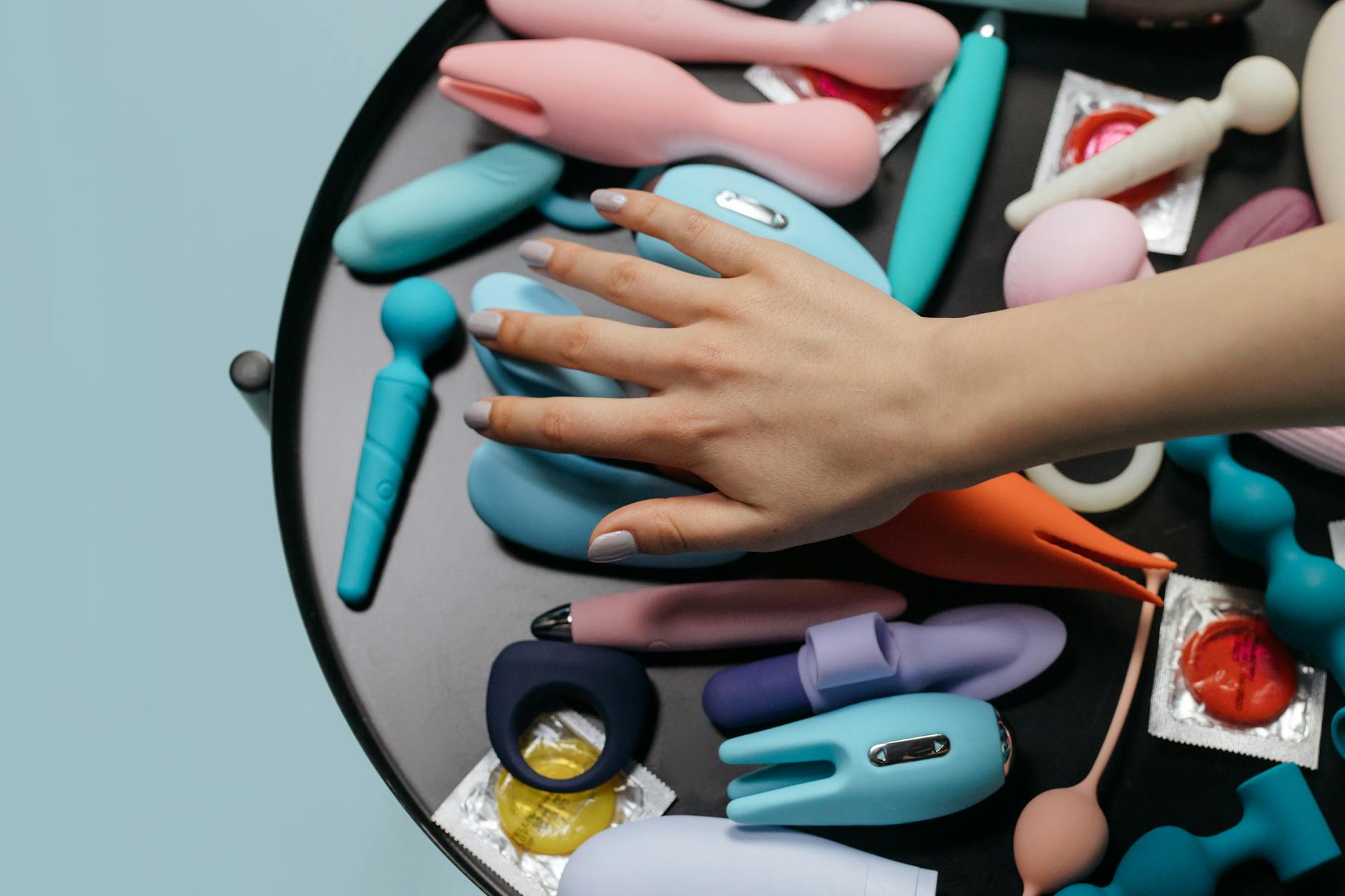
Photo by cottonbro studio on Pexels
Why lemon vibrators work differently on antidepressants
The suction technology in a lemon clitoral vibrator creates rhythmic pressure changes rather than pure vibration. Here's why that matters when you're on medication:
Traditional vibrators rely on speed and intensity. If your nerves are dulled by SSRIs, you're basically trying to feel something through a thicker layer of padding. You turn up the power, which often just feels numb and raw.
Air-pulse technology (like the lem vibrator) uses gentle waves of pressure that create a broader stimulation pattern. This activates a different set of nerve fibers. You're not just vibrating. You're creating a pulsing sensation that builds sensation gradually instead of demanding it all at once.
My clients on antidepressants report that the lemon clitoral vibrator works for two reasons: (1) the suction pattern feels less jarring and more like touch, and (2) they can use it at lower intensities longer without needing to max out the vibration.
The setup that actually works
Three things change when you're using a lemon vibrator on antidepressants, compared to solo play without medication:
Start lower, stay there longer. Most people think they need to hit intensity level 4 or 5 to feel anything. Try level 1 or 2 for 10-15 minutes first. The suction pulses build sensation cumulatively. Patience here beats power.
Use lube even if you feel wet. Antidepressants can reduce natural lubrication, even if arousal is happening underneath. Water-based lube protects tissue and improves the glide of the lemon vibrator against your skin. This sounds basic but it changes everything. The sensation transfer improves dramatically.
Build a longer warm-up routine. Give yourself 20-30 minutes instead of 10. Start with whatever turns you on: thoughts, porn, partner touch, whatever. Then introduce the lemon vibrator once you're already partway there, not as the opener. You're not trying to jump-start your system. You're meeting it where it is and riding it higher.
The mental piece (which is half the battle)
Here's something I tell people in my office: antidepressants didn't just change your neurotransmitters. They changed your relationship to pleasure. Before medication, orgasm might have been easy, expected, reliable. Now it's not. That loss is real.
You might feel grieved. You might feel broken. You might feel angry that you have to work for something you used to get for free. All of that is valid.
But grief + anger + working harder doesn't usually get you to the finish line. What does is curiosity. Antidepressants created a new body. That body isn't worse. It's different. And different bodies respond to different tools.
This is where the lemon sexual toy shifts from just a device to an actual tool. You're not trying to recreate the old response. You're learning what this new response needs. That's sometimes more interesting than the original, honestly.
Talking to your doctor about this (yes, really)
If sensation loss is severe enough that it's affecting your quality of life, bring it up. Not because you have to stop your antidepressant. But because there are real options.
Doctors can:
- Adjust timing (taking your dose at night instead of morning, for example)
- Switch to a different class of antidepressant that has lower sexual side effects (bupropion, for instance, often has fewer sexual effects than SSRIs)
- Add a medication like buspirone or bupropion to offset the sexual side effects
- Recommend a lube or a different kind of toy
The catch: your doctor might not bring this up first. But if you ask, most good doctors will problem-solve with you. They didn't go to medical school to have you suffer silently.
When to use the lemon vibrator versus other approaches
A lemon clitoral vibrator works best when:
- You've been on antidepressants for 4+ weeks (your body has adjusted to the medication, so now you're working with what's stable)
- You want solo pleasure to be less effortful
- Your partner isn't involved or you want to explore alone first
- You like the idea of building sensation gradually instead of seeking intense stimulation
You might also want to combine approaches:
- Partner stimulation + lemon vibrator (hands-on touch primes your nervous system, then the sucker technology builds from there)
- Fantasies or erotica + lemon vibrator (mental arousal counts, use it)
- Extended foreplay with your partner, then use the vibrator as the final push (no shame in that)
The timeline: what to expect
First session: You might not orgasm. That's fine. You're learning what the sensation feels like on your medicated body. Notice what's happening, not whether you finish.
Weeks 2-3: Orgasms might start appearing, or they might still be frustratingly close but not quite there. This is normal. Your nervous system is rewiring how it receives pleasure on this medication.
Weeks 4-6: Many people find their orgasms stabilize somewhere between what they used to be and what they feared they'd be. Not the same. But real. Sometimes even more intense because you're not rushing.
Months 2-3: The lemon vibrator becomes a reliable tool. You know what settings work, what warm-up time you need, whether you prefer it solo or with a partner.
The key: this isn't a quick fix. It's a recalibration. Your body is on a different drug regime now. You're not broken. You're in a new mode.
FAQ: antidepressants, lemon vibrators, and sensation
Can switching antidepressants improve my orgasms more than using a toy?
Maybe. Some antidepressants (like bupropion) have lower sexual side effects than others (like paroxetine). If you're struggling badly, it's worth talking to your psychiatrist about switching or adding something. But don't stop your current medication to find out. Work with your doctor. In the meantime, a lemon clitoral vibrator can help you have pleasure while you're optimizing your medication.
How long should I wait on antidepressants before using a lemon vibrator to test if it helps?
Wait at least 4-6 weeks on your current dose before drawing conclusions. Your body needs time to adjust to the medication itself. Once you're past the acute adjustment phase, your nervous system has stabilized and you'll get a true read on what sensation is possible.
Will using a lemon vibrator too much make me dependent on it?
No. Using a vibrator doesn't train your body to need one forever. What happens is your nervous system learns that this type of stimulation works with your current neurochemistry. You can switch between the lemon vibrator and other forms of pleasure. Your body adapts.
Can I use a lemon vibrator with my partner if I'm on antidepressants?
Absolutely. Some people find that partner presence plus the lemon vibrator gives them the extra push they need. Others need privacy to focus. Both are fine. Talk to your partner about what you're experiencing ("I'm on medication that's making orgasm harder, I want to explore this tool") and invite them in if that feels right.
Is it normal that I feel guilty using a toy because of my antidepressant side effects?
It's common, not normal in the sense of healthy. Here's the reframe: you're not broken. Your medication is working. Your body is adapting. Using a lemon clitoral vibrator is problem-solving, not cheating or admitting defeat. You take your antidepressant because it helps your mental health. You use a vibrator because it helps your sexual health. These aren't in conflict. They're both you taking care of yourself.
If the lemon vibrator doesn't work, should I try something else?
Try the full protocol first: lower intensity, longer warm-up, lube, patience. Give it at least 4-5 sessions before concluding it's not for you. If after that it still feels ineffective, talk to your doctor about your medication and consider trying a different toy style or exploring other pleasure approaches. Sometimes it's about finding the right tool for your specific body and medication combo.
The real bottom line
Antidepressants are worth it. Mental health comes first. Sexual function matters too, and it's solvable. A lemon sexual toy like the lemon vibrator isn't a workaround for broken pleasure. It's a bridge back to pleasure on your new neurochemistry.
Your body isn't the problem. The mismatch between your old expectations and your current nervous system is. Close that gap, and you'll find that orgasms are still there. They're just waiting for you to meet them differently.
If you're struggling with medication side effects or have questions about what works for your specific situation, reach out to us. We're here to help you navigate this.