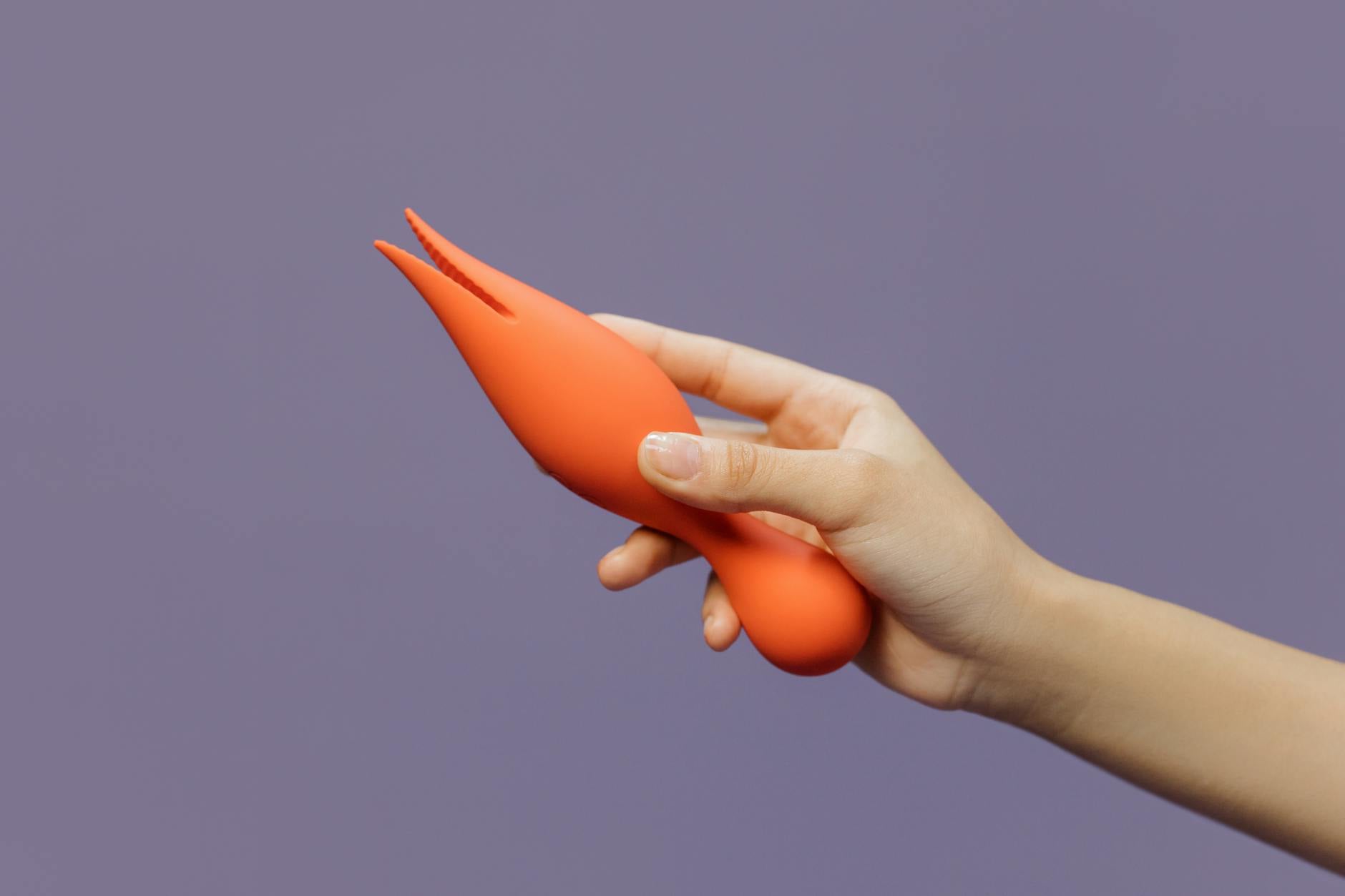
How to Use a Lemon Vibrator When Clitoral Sensitivity Varies With Stress
Here's what nobody tells you: stress doesn't just kill your mood. It rewires your nervous system. When you're under pressure, your clitoris literally becomes harder to reach. Blood flow diverts to survival circuits. Nerve endings downshift. Your body isn't broken. It's just protecting you.
The problem is that most people respond to this numbness by turning up intensity, faster rhythm, more pressure. That usually makes it worse. A Lemon vibrator, used strategically, can actually reset your sensitivity. Not by forcing pleasure, but by helping your nervous system remember how to receive it.
I've worked with hundreds of people navigating this exact cycle. Here's what actually works.
Why stress flattens sensation
Your clitoris has roughly 8,000 nerve endings concentrated in about the size of a pea. When you're stressed, your sympathetic nervous system (fight-or-flight) dominates. Blood pools elsewhere. The clitoral glans becomes less engorged, less sensitive, less responsive.
At the same time, your brain is partly offline. The prefrontal cortex, which processes pleasure and connects sensation to emotion, steps back. You're running on survival mode. Pleasure requires a parasympathetic nervous system. You can't have both at once.
So the numbness you're feeling isn't permanent. It's a state. And states change.
The pattern that matters more than intensity
When sensitivity is low, most people think: go harder. Buy a stronger vibrator. Turn up the speed. That's exactly backwards.
Low sensitivity under stress calls for the opposite: lower intensity, sustained pattern, longer warm-up. Your nervous system needs time to shift gears. You need about 15-30 minutes of genuine relaxation before pleasure can even register.
A Lemon clitoral vibrator works exceptionally well here because of how it stimulates. Suction-based stimulation activates nerves differently than traditional vibration. It's less about percussion and more about sustained pressure and release. That rhythm mirrors what your nervous system needs when it's been in overdrive: repetition, predictability, gentle escalation.
Start at pattern 1 or 2. Not because you're weak. Because your clitoris is temporarily desensitized, and ramping too fast teaches your body to tense up, not relax. The goal isn't an orgasm in 10 minutes. It's recalibration.
The three-phase reset
When stress has flattened your sensation, structure your session in phases.
Phase One: Arrival (5-10 minutes). Don't touch yourself yet. Lie down, breathe, let your body remember it's safe. No phone. No thinking about work. This is the parasympathetic shift. You're waiting for your nervous system to downshift from alert to available.
Phase Two: Gentle introduction (8-15 minutes). Start with pattern 1 on the Lem. You might feel very little. That's information, not failure. Stay with it. Don't escalate yet. Let your clitoris remember what sensation feels like. Many people report that after 8-10 minutes of gentle stimulation, something shifts. A flush. A slight tingle. A softening. That's your nervous system starting to transition.
Phase Three: Patient building (5-15 minutes). Only now, if sensation is increasing, move to pattern 2 or 3. This is not a race to orgasm. This is restoration. Some sessions won't end in climax. That's actually ideal when you're rebuilding. You're teaching your body that pleasure is available, not something that requires heroic effort.
The stress-sensitivity feedback loop
Here's the trap: stress makes you numb. Numbness creates frustration. Frustration triggers more stress. Your nervous system tightens further.
Breaking this requires doing something counterintuitive: stopping when sensation is still faint. If you push through numbness to force an orgasm, you're reinforcing the tense, effortful pattern. If you pause while things feel subtle, you're teaching your body that pleasure exists at lower thresholds.
Some of my clients take three or four sessions over a week before sensation really rebounds. Others notice a shift after one conscious, unhurried session. The timeline varies. What matters is consistency and patience, not performance.
When stress flattens you, using a Lemon vibrator when anxiety blocks sensation and arousal becomes less about chasing sensation and more about building trust with your body again.
Creating a nervous-system-friendly setup
Your environment matters more than you think. Here's what helps:
- Temperature. A warm room, or a blanket, signals safety to your nervous system. Your body relaxes more readily when it's not defending against cold.
- Timing. Early morning, or well after work stress has had time to settle, works better than immediately after a stressful day. Give yourself a buffer.
- Sound. Silence or very gentle ambient sound. No music with lyrics (your brain processes that). Some people use nature sounds or white noise. Others just listen to their own breathing.
- Light. Dim light, or even eyes closed. Bright light keeps your sympathetic nervous system slightly activated.
These aren't luxuries. They're actual tools that shift your nervous system state.
When numbness points to something bigger
If stress-related numbness has persisted for weeks, or if it's accompanied by a complete loss of desire or persistent pain, check in with a therapist or doctor. Sometimes numbness under stress is normal. Sometimes it signals depression, anxiety disorder, or a medication side effect. You deserve clarity.
Using a Lemon vibrator when sensation recovery takes time might be part of your answer, but it's not the whole picture if something deeper is going on.
The partner conversation, if there is one
If you're partnered, stress-related numbness often creates tension. Your partner notices you're less responsive. You feel guilty. They feel rejected. Everyone tenses up more.
The conversation to have is not about their pleasure or your "performance." It's about your nervous system state. "I'm under a lot of stress right now, and my body is reflecting that. I'm working on resetting my sensitivity. What helps me most is time and no pressure." That's the truth. Act from there.
Using a Lemon clitoral vibrator as part of a solo practice isn't about excluding your partner. It's about reclaiming your own sensation first. From there, everything else rebuilds.
The timeline for real
Don't expect instant results. Nervous system shifts take time. Here's a realistic arc:
Days 1-3: You might feel very little. Frustration is normal. Stay gentle.
Days 4-7: Sensation often starts returning, subtly at first. You might notice a return of arousal cues (a slight flush, mental interest, a softness in your body).
Weeks 2-3: If you've maintained consistent, pressure-free practice, many people report that pleasure is accessible again, often richer than before stress flattened it.
The key is that none of this works if you're still living in a state of high stress. You can use the best Lemon vibrator on the market, but if your nervous system is still in survival mode eight hours a day, pleasure will remain elusive. Both things need attention: the internal practice with a vibrator, and the external work of actually reducing your stressor load.
FAQ: Stress, Sensitivity, and Using a Lemon Vibrator
Why does stress make clitoral sensation disappear?
When you're stressed, your body activates the sympathetic nervous system (fight-or-flight). Blood flow diverts from non-essential functions, including clitoral engorgement. Your brain also partially shifts offline from pleasure centers to focus on threat assessment. This is biology protecting you, but it means pleasure becomes inaccessible until your nervous system downshifts. A Lemon clitoral vibrator can help signal safety and rebuild sensation, but only if you're also genuinely relaxing.
How long should I use a Lemon vibrator in each session when sensitivity is low?
When stressed and numb, aim for 20-40 minutes total, but don't expect intensity progression. Spend 5-10 minutes just existing in the space before touching yourself. Then spend 10-20 minutes with gentle stimulation (pattern 1-2 on a Lemon). Only escalate if sensation is naturally increasing. Some sessions will feel flat. That's okay. You're training your nervous system, not forcing an outcome.
Should I use a Lemon vibrator every day when stress has killed sensation?
Not necessarily. Two to four times a week, with real relaxation built in, works better than daily sessions done while you're still running on stress. Daily use can become another goal to achieve, which keeps your nervous system in effortful mode. What matters is quality of attention, not frequency.
Can stress numbness cause permanent damage to my sensitivity?
No. Clitoral nerve endings don't die from stress. They downshift. When your nervous system calms, sensation returns. Some people take weeks to fully recalibrate. Others bounce back faster. But the numbness is a reversible state, not a permanent condition. A Lemon vibrator can help speed that recalibration, especially when paired with actual stress reduction.
What if I feel overstimulated (too sensitive) instead of numb when stressed?
That's also common. Some nervous systems respond to stress by becoming hypersensitive, making touch feel sharp or irritating instead of pleasurable. In that case, use an even lower intensity than you'd use for numbness. Pattern 1 on a Lemon vibrator, with breaks between stimulation, works well. You're teaching your nervous system that sensation can be gentle and safe, not overwhelming. The goal is the same: parasympathetic calm.
Is there a difference between stress numbness and numbness from medications or hormonal changes?
Yes. Stress-related numbness usually resolves within days or weeks of actual stress reduction. Numbness from hormonal changes (like menopause or birth control) is more persistent and may need different tools. Medication-related numbness sometimes resolves if you switch medications, but that's a conversation for your doctor. If you can't trace the numbness to recent stress, get it checked out.
Can my partner help with stress-related numbness, or should I use a Lemon vibrator solo?
Both. Solo practice with a Lemon clitoral vibrator helps you recalibrate without performance pressure. But partners can help by creating the conditions for calm: taking some stress off your plate, giving you genuine alone time, creating a slower, lower-pressure intimacy practice. The vibrator is a tool for your nervous system. Your partner's presence and care are part of the environment. They're not in competition.
The reset is possible
Stress flattens sensation. That's not weakness. That's biology. A Lemon vibrator, used with real patience and in genuine relaxation, can help your nervous system remember pleasure. But the vibrator is only part of it. The bigger work is actually lowering your stress load, creating safety for your body, and learning to receive pleasure on its own timeline, not yours.
Your sensitivity will return. It might take weeks. But it will return.