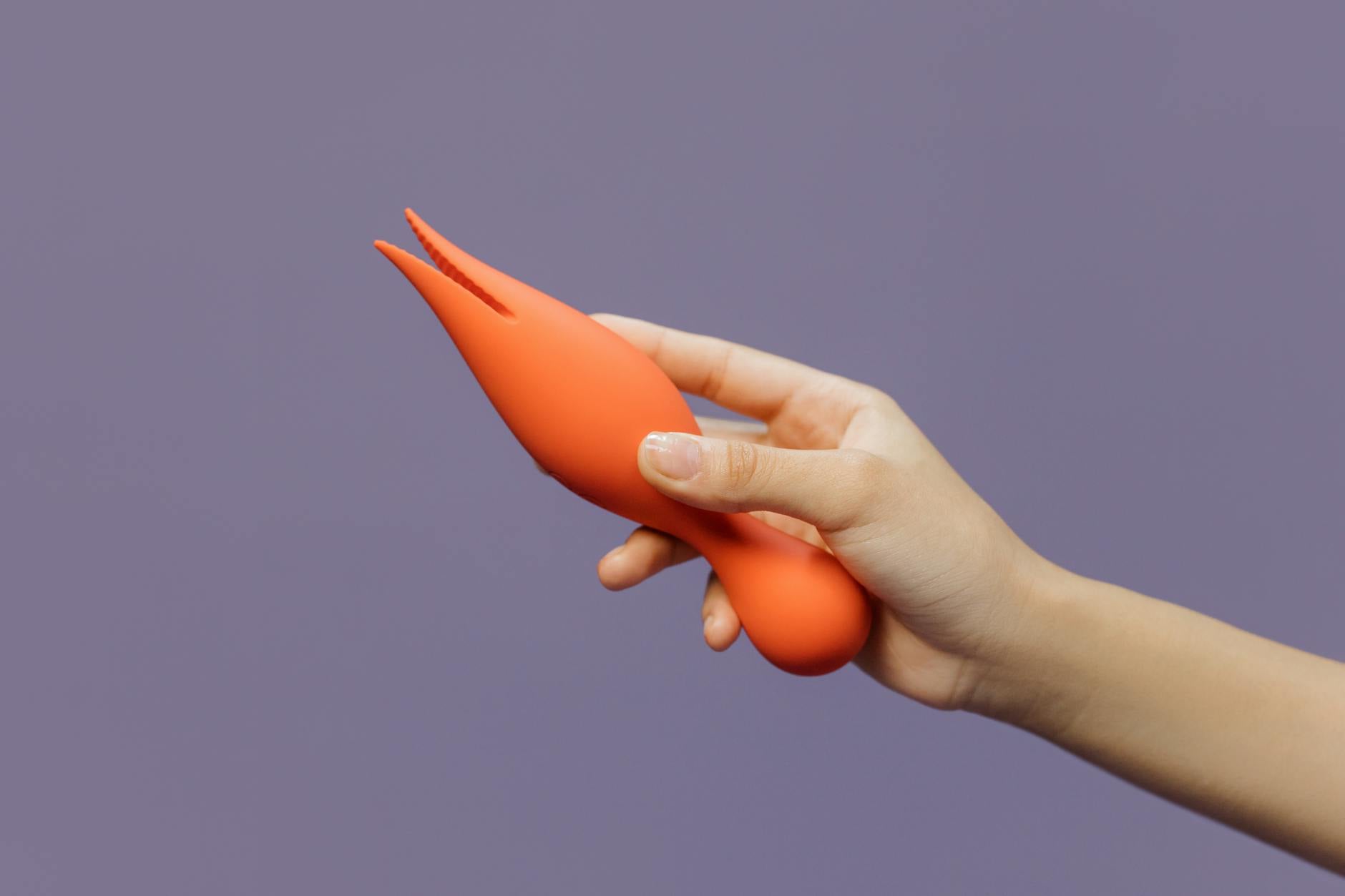
How to Use a Lemon Vibrator When Couples Therapy Reveals Unspoken Resentment
Let's be honest: the moment a therapist names the resentment hanging between you, everything shifts. Suddenly you're sitting on the couch seeing your partner differently. They're seeing you differently too. And the idea of being physically close? It feels complicated in a way it didn't before.
This is actually the point where many couples get stuck. You've acknowledged the anger. You're doing the work. But your bodies haven't caught up yet. Physical intimacy feels like it requires a trust bank account that's been drained, and neither of you knows how to deposit back into it.
Here's what I've learned working with couples through this exact transition: rebuilding physical connection after resentment surfaces requires a reset. Not pretending the anger isn't there. Not rushing into partnered intimacy before you're ready. But creating space where touch becomes something you choose, not something you feel obligated to perform.
That's where a clitoral vibrator like the Lemon becomes useful. Not as a fix for the relationship, but as a tool for rebuilding your own sense of agency and pleasure while the bigger work happens in therapy.
Why resentment kills touch first
Your body knows before your mind does. When resentment builds, it accumulates in the nervous system as protection. You stop initiating touch. You flinch when they reach for you. Sex feels transactional, obligatory, sometimes impossible.
The neuroscience here is simple: your nervous system is in defense mode. Arousal requires parasympathetic activation (the rest-and-digest state). Resentment keeps you in sympathetic overdrive (fight-or-flight). You can't genuinely relax into pleasure when part of your brain is protecting you from someone you're angry at.
Most couples try to fix this by having more sex, better sex, scheduled sex. That rarely works. What actually works is relearning what it feels like to experience pleasure on your own terms, without the pressure of performance or reciprocation.
Solo exploration as emotional foundation
Before anything happens with your partner, you need to remember what desire feels like when it's not tangled up with obligation or anger. This isn't selfish. This is necessary.
Start alone. No partner in the room. No pressure to perform or reciprocate. Give yourself 15 to 20 minutes with no interruptions. This time is specifically for you to remember that your pleasure is separate from the relationship's problems.
Begin with the Lemon on its lowest setting. The design of suction-based clitoral vibrators means you're working with your body's natural arousal response, not fighting against numbness or overstimulation. Start with indirect stimulation. Run it along your inner thigh. Bring it close to but not directly on the clitoris. Let your body remember how to respond without pressure.
The goal is not orgasm. The goal is sensation. Reconnection. Noticing what feels good when there's zero relationship drama attached to it.
Building your own pleasure baseline
When resentment is fresh, the body becomes hypervigilant. It forgets its own preferences. You might find that sensation you used to love now feels too intense, or not intense enough. That's not broken. That's just your nervous system recalibrating.
Use these solo sessions to establish what your body actually wants right now, not what it wanted before the resentment surfaced. If you need gentler stimulation, go gentler. If you need longer warm-up time, take it. The Lemon's variable patterns (typically 3 to 5 settings) give you flexibility to explore what your nervous system genuinely responds to when it's not also managing relationship stress.
Keep a mental note. What patterns work? What sensation feels grounding versus what feels overwhelming? This information is gold when you eventually move toward partnered touch. You'll know exactly what helps you feel safe and present.
The conversation before reconnecting with your partner
At some point, your partner will want to know that you're rebuilding pleasure. This conversation deserves care.
Don't present solo vibrator use as a rejection. Frame it as information. "I've been using a Lemon vibrator to understand what I need right now, and I want to share that with you." Separate the two things: your individual pleasure reclamation and the larger relationship work you're doing together in therapy.
Set a boundary about timing. "I'm not ready for partnered sex yet, and I need you to respect that." Being specific prevents the slow creep of pressure. Your partner might feel hurt or rejected, which is fair. A good couples therapist helps you both hold those feelings without them becoming the reason to skip the actual repair work.
If your partner wants to participate in your exploration, that's a decision you make together, slowly. But the default should be solo first. You need to rebuild your own relationship with pleasure before you can genuinely share it.
Timing and patience during therapy work
Couples therapy for resentment typically takes months. You won't wake up one day magically healed. Instead, you'll notice small shifts. A moment where you laugh together. A conversation that doesn't become a fight. Your nervous system gradually learning that this person isn't a threat.
Continue your solo practice throughout this time. Don't wait until you feel "ready" to be with your partner. Readiness emerges through practice, not before it. Use the vibrator weekly if you can, or as often as feels right. You're doing three things simultaneously: processing anger in therapy, rebuilding your own pleasure baseline, and gradually allowing your body to relax around your partner.
Some weeks, the Lemon will feel amazing. Other weeks, touch of any kind will feel too much. That's normal. Your body is processing. Don't force pleasure. Just show up to what feels available.
Introducing touch with your partner after the foundation is set
When you and your partner are both ready to explore touch again, consider starting with the vibrator present but not necessarily in use. Sometimes just knowing you have a tool that feels safe changes the dynamic. You're not dependent on your partner to activate you. You have options.
If you both want to involve the vibrator in partnered exploration, do it collaboratively. "I'd like to use this and have you present, no pressure to do anything except be with me" creates a context where you're choosing vulnerability together. They might touch you elsewhere. They might just sit beside you. The point is shared presence without performance.
For some couples, involving the Lemon creates permission for a kind of intimacy that doesn't require penetration or traditional sex. It's a door to touch that feels lower stakes and more controllable. That safety is precious when you're rebuilding.
The role of patience when progress is uneven
Honestly, the hardest part of this process isn't the vibrator. It's tolerating the slowness. You want to skip ahead to the part where you're connected again. Where sex feels natural instead of like a negotiation.
Stay with the pace your nervous system sets. One couple I worked with took eight months before partnered sex felt genuinely good again. Another found their way back in six weeks. Both timelines were right for those relationships because both partners respected what their bodies actually needed.
The Lemon vibrator doesn't speed this up. It just gives you a way to stay connected to pleasure and agency while the larger work happens. That matters. You deserve to remember that your body is yours, even while your relationship is being rebuilt.
When couples come through resentment successfully, it's rarely because they forced intimacy. It's because they did the internal work separately (with therapy, with tools like this vibrator, with time), and then slowly, carefully, built new touch-based communication with their partner. The reconnection is deeper because it's been earned, not performed.
People also ask
How long should I wait to have sex with my partner after discovering resentment in therapy?
There's no timeline. Your body will tell you. If you feel tight, resentful, or obligated, wait. Forcing sex before your nervous system is ready just reinforces the feeling that intimacy is a performance. Let your body gradually relax around your partner. That relaxation is what makes sex actually good again. Use solo exploration to recalibrate your own pleasure first. Partner sex can wait.
Is using a vibrator alone a sign my partner and I are broken?
No. Solo pleasure is part of healthy sexuality, even in strong relationships. Using a clitoral vibrator solo while working through resentment is actually a sign you're taking your own pleasure seriously instead of waiting for your partner to fix it. That's emotionally mature. Share this with your partner as information, not as a threat to them.
Can the Lemon vibrator help us during partnered sex after therapy?
Yes. Many couples find that introducing a clitoral vibrator into partnered sex removes pressure on one partner to be the sole source of pleasure. It can also help if resentment has made direct touch feel uncomfortable. The vibrator can feel less loaded than hands, allowing you both to rebuild comfort gradually.
What if my partner feels threatened by my vibrator use?
That's a therapy conversation, not a vibrator conversation. A good partner won't see your pleasure as competition. If they do, that's worth exploring in couples therapy as part of the larger resentment you're already working through. Your pleasure is separate from their worth as a lover.
How do I know if I'm using the vibrator too much?
If you're using it to avoid partnered conversations or to numb anger instead of feeling it, that's worth noticing. But if you're using it to reconnect with your body and rebuild pleasure? There's no "too much." Your body will tell you when it wants a break. Trust that.
Should I hide my vibrator use from my partner?
No. Honesty about pleasure, including solo pleasure, is part of rebuilding trust. You don't need permission to use a vibrator. But transparency (without shame) helps your partner understand what you're doing and why. It's an invitation to understand your journey, not a confession.
The bottom line
Rebuild your own pleasure first. That's not selfish. That's the foundation for genuine reconnection. The Lemon vibrator, and other high-quality clitoral vibrators, are tools for remembering that your body belongs to you, even when your relationship is being rebuilt through the hard work of couples therapy. Use them. Enjoy them. Share what you learn with your partner when the time is right. Trust the pace your body sets. You'll get there.
When you're ready to talk through the bigger picture of rebuilding intimacy in your relationship, reach out. That's what I'm here for.