The thing nobody tells you about new relationships and toys
You've been intimate before. Maybe many times, with many people. But you've never been intimate with this person, and that changes everything. The vulnerability isn't about the vibrator. It's about being seen by someone who doesn't yet have years of knowing your body, your rhythms, your preferences.
Introducing a lemon vibrator early in a new relationship feels riskier than it actually is. But I get why. You're managing two separate anxieties at once: "Will they think I'm weird for wanting this?" and "Will they feel replaced or inadequate?" Both are real concerns. Neither is true.
Why the first few months matter most
Here's the data that might surprise you. Couples who introduce toys early, openly, and without shame report higher sexual satisfaction and stronger emotional connection five years into the relationship than couples who wait. Not because the toy is magic. Because talking about pleasure openly becomes normal. Because vulnerability becomes a strength instead of a risk.
The window is roughly the first three months. That's when introducing something new feels exploratory rather than like a signal that something's broken. You're building a pleasure template together, not fixing an existing one.
The conversation before the device
Let's be direct: the vibrator isn't the hard part. The conversation is.
Here's what works. Pick a calm moment outside the bedroom. Not right before sex, not in the middle of it. Say something like this: "I've been thinking about my pleasure lately. I love sex with you. I also want to explore what feels good to me in new ways. I'm thinking about using a clitoral vibrator sometimes. I wanted to talk to you about it first."
Then stop talking. Let them respond. Listen for what's underneath any hesitation. "Does that mean I'm not enough?" usually means "I'm scared of being replaced." That's different from "That's weird." Different anxiety, different answer.
Most partners' first reaction is curiosity, not rejection. If it's rejection, that tells you something important about this relationship. Not whether they're bad, but whether you two are aligned on pleasure and openness. That's useful information.
What to actually buy (and why it matters)
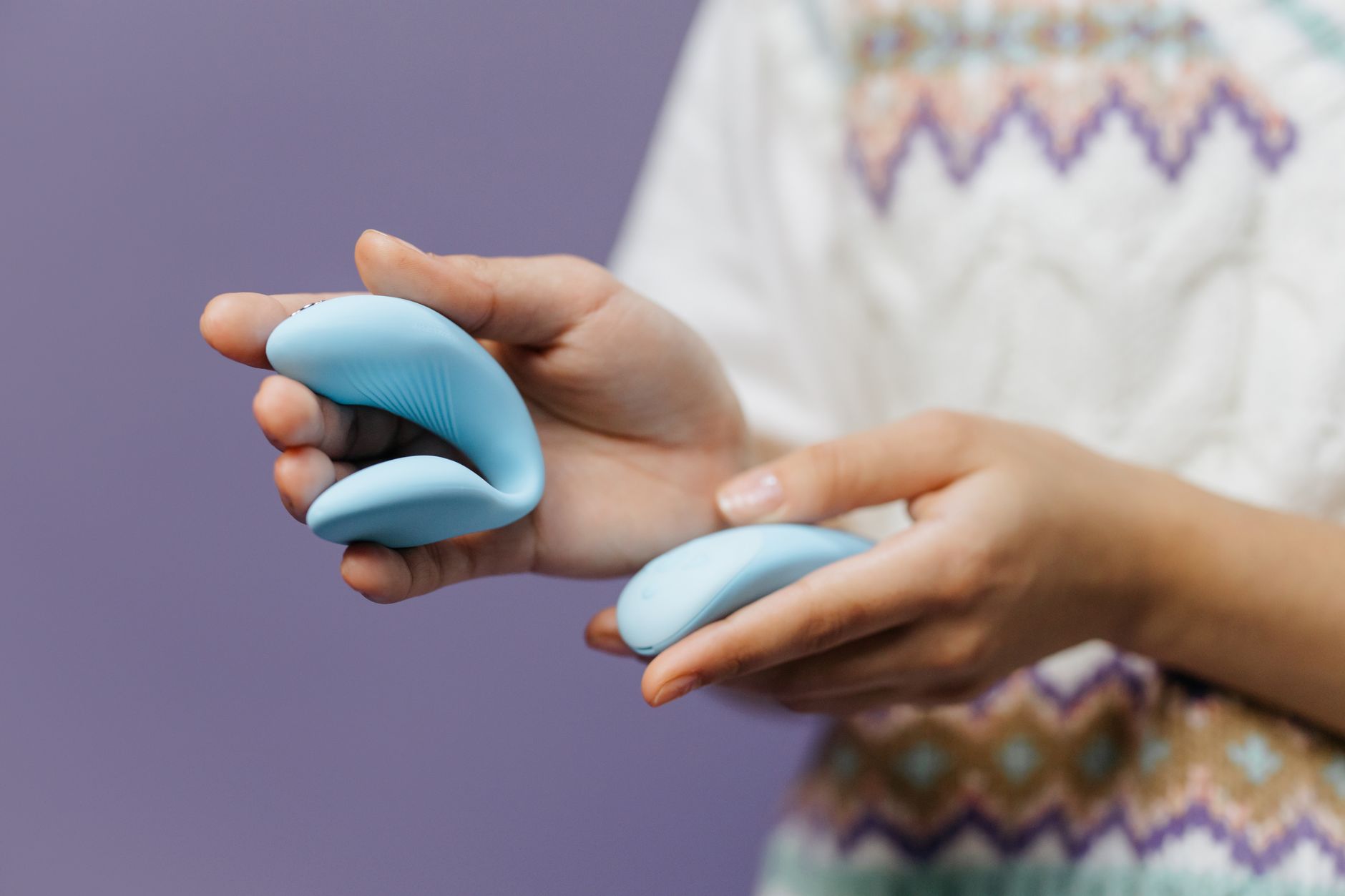
A lemon clitoral vibrator like the Lem works particularly well for new couples because it's visual. You're not hiding something. It sits on the nightstand. It's part of the landscape. There's something honoring about an object that's designed exactly for what it does, without apology.
Better still, it's quiet enough to feel intimate rather than medical. It's smooth and elegant. If you show it to your partner before using it, they can see it's not threatening. It's a tool for pleasure, not a replacement.
The first time you introduce it, use it solo. Let them watch, or don't. This removes the pressure of performance. You're showing them what pleasure looks like on your body. You're also proving it's not weird or scary. You're just... finding what feels good.
Building comfort in stages
Don't jump straight to "use this while we're having sex." That's the finish line, not the start.
Stage one: Familiarity. Use your lemon vibrator solo, let them see it, talk about what you like. "I love pattern three. It's more gentle than I expected." Boring details, but they normalize the object.
Stage two: Side-by-side exploration. You're using your vibrator, they're present, maybe using their hand. You're both experiencing pleasure in the same moment. You're together but not dependent on each other. This is powerful.
Stage three: Integration. "I want you inside me while I use this." Or "Can you touch me while I'm using it?" Different partners want different things. Some want foreplay with the vibrator. Some want it during penetration. Some want it after. There's no script.
Managing the anxiety (yours and theirs)
Nervousness before trying something new with a partner is normal, not a sign it's wrong.
Here's what I tell couples: separate the vibrator from the relationship. The vibrator is about your body. The relationship is about the two of you. If introducing the vibrator becomes a conversation about the relationship failing, you've mixed two separate things. "I want to use this" is not the same as "I'm not satisfied with you." Be clear about that distinction.
If your partner gets quiet or withdrawn after you introduce the idea, don't assume they said no. They're processing. Check in the next day. "I noticed you got quiet. Want to talk about it?" They might need time. They might need reassurance. They might need to ask questions you hadn't anticipated. Give them that space.
On your side, managing anxiety means knowing your vibrator before you use it with your partner. Know the buttons. Know how long the battery lasts. There's nothing sexier to a partner than watching someone who knows exactly what they want and isn't apologizing for it.
The actual moment: what's different
Using a lemon clitoral vibrator with a partner present changes things, but not always in the ways you'd expect. Some people report that arousal happens faster, partly because there's less performance anxiety. They're focused on sensation instead of how they look or sound.
Others find that having a partner watch is genuinely intimate in a way they weren't prepared for. You're letting them see you in a state of pleasure that isn't about them, and they're choosing to witness it anyway. That's vulnerability. That's trust.
Communication during is simple: "This feels good," or "Can you slow down," or "I want to come like this." Your partner probably wants to know how to help, even if "helping" just means staying present.
What breaks new couples (and how to avoid it)
Three traps I see repeatedly.
Trap one: Introducing the toy as a solution to a problem. "Your touch doesn't feel like enough, so I need this." That's not starting fresh. That's starting defensive. Don't do that. Introduce the vibrator as exploration, not repair.
Trap two: Using it to avoid vulnerability. If you bring in the lemon vibrator because you can't talk about what you want, you're using it as a shortcut. It won't work. The vibrator amplifies your communication style. Good communication becomes better. Avoidant communication becomes lonelier.
Trap three: Assuming they'll know how to help. Your partner isn't a mind reader. Tell them what you want. "Can you kiss my neck while I use this?" "I like when you stay still." "Hold my hand." Specific requests, not hints.
The couples who succeed are the ones who treat the vibrator like any other aspect of pleasure. It's not secret. It's not shameful. It's just part of how you explore together.
The long game
Think of the first month with a new partner as foundational. You're not just building pleasure. You're building a template for how you communicate about pleasure. If you can say "I want to try this" without shame, you can say "I didn't like that" without defensiveness. You can ask for what you need. That's the opposite of a fragile relationship. That's a strong one.
Introducing a lemon clitoral vibrator early isn't about the device. It's about saying to your partner: my pleasure matters. Our openness matters. Your comfort with my body and my desires matters. Want to figure this out together?
That's a conversation worth having.
People also ask
Is it weird to introduce a vibrator early in a new relationship?
Not at all. Many couples find that introducing toys early actually strengthens communication and intimacy because it normalizes talking about pleasure as partners. The timing isn't what matters. Openness and consent do. If you're uncomfortable bringing it up, that's worth examining. But wanting to explore pleasure with a new partner is completely normal.
Will my new partner think I'm high-maintenance if I use a vibrator?
A secure partner will recognize that clitoral vibrators like lemon models help many bodies access pleasure more reliably. Using one isn't a statement about your partner's skill or effort. It's a statement about what your body needs. If your partner interprets it as criticism, that's worth exploring together, ideally with a therapist.
How do I introduce the topic without making it weird?
Be direct and casual. You might say: "I've been thinking about exploring my pleasure more. I'm curious about trying a lemon vibrator. Would you be open to that?" Treat it like you'd discuss any other preference. The more matter-of-fact you are, the less weight it carries.
What if my partner says no to using a vibrator together?
That's their right. But explore why. Is it genuine discomfort? Misinformation? Insecurity? Understanding the reason matters. You might still use your vibrator solo. You might compromise on how it fits into your intimate life. But incompatibility on pleasure is real and sometimes a relationship incompatibility.
Can I use a lemon vibrator while my partner is inside me?
Absolutely. Many people find that clitoral stimulation during penetration intensifies orgasm significantly. Communication is key. Ask your partner if they're comfortable with the sensation. Some love it. Some find the vibration is stronger than they expected. Go slow, check in often, and adjust based on what feels good for both of you.
What if I want to use the vibrator but my partner wants to "do it all himself"?
That's a boundary conversation. You might say: "I love when you touch me. I also want to explore what a vibrator feels like. These aren't mutually exclusive." Some partners get over the initial reaction. Some don't. Compatibility around pleasure matters. It's not shallow. It's real.
Introducing pleasure tools into a new relationship takes intention and honesty. You're not just adding a device. You're building a culture where your body, your desires, and your agency are respected. That's worth the awkward conversation. That's worth the vulnerability. That's what lasting intimacy is built on.
If you're navigating relationship challenges around pleasure or communication, reach out. That's what support is for.