The Gap Gets Harder to Close the Longer It Stays Open
Let's be real. When you've avoided the bedroom for six months, a year, or longer, the shame builds faster than the desire to fix it. You're not broken. You're not frigid. You've just let avoidance become the default, and now the thought of restarting feels mortifying.
Here's what I see in my practice: the longer the gap, the bigger the mental block. Not because your body forgot how to feel pleasure, but because your brain has installed a security system. That system says "sex equals exposure, failure, or pressure," so it shuts down the whole room.
Reconnecting after long-term bedroom avoidance isn't about willpower or romance. It's about dismantling that security system methodically, lowering the stakes, and letting your body remember that pleasure is still available to you.
Why Long Gaps Create Specific Friction
When intimacy stops for months or years, three things happen in tandem.
First, your partner develops their own anxiety around it. They may have stopped asking. They may have built resentment. Or they've accepted the gap as permanent. That creates an awkward power imbalance when one person finally says "I want to try again."
Second, your body loses the neural pathway shortcut. Arousal isn't a light switch. It's a chain reaction in your brain and body that requires practice. After a long pause, that pathway feels rusty. Sensation takes longer to build. You may question whether you still have it in you at all.
Third, and this is the piece nobody talks about, you've probably internalized a story about why the gap happened. Maybe it was depression, relationship tension, medication, or burnout. That story is still running in the background. Until you name it and separate it from "I don't want sex ever," you'll keep avoiding.
Start With Solo, Not Partner
This is non-negotiable. Reconnecting with your own pleasure first removes the audience and the performance.
Set aside 20 to 30 minutes when you're alone. Not when you're "supposed to." Not when your partner's away. When you actually want the space. Dim the lights. Put your phone in another room. You're not trying to come. You're just trying to feel something intentionally for the first time in a while.
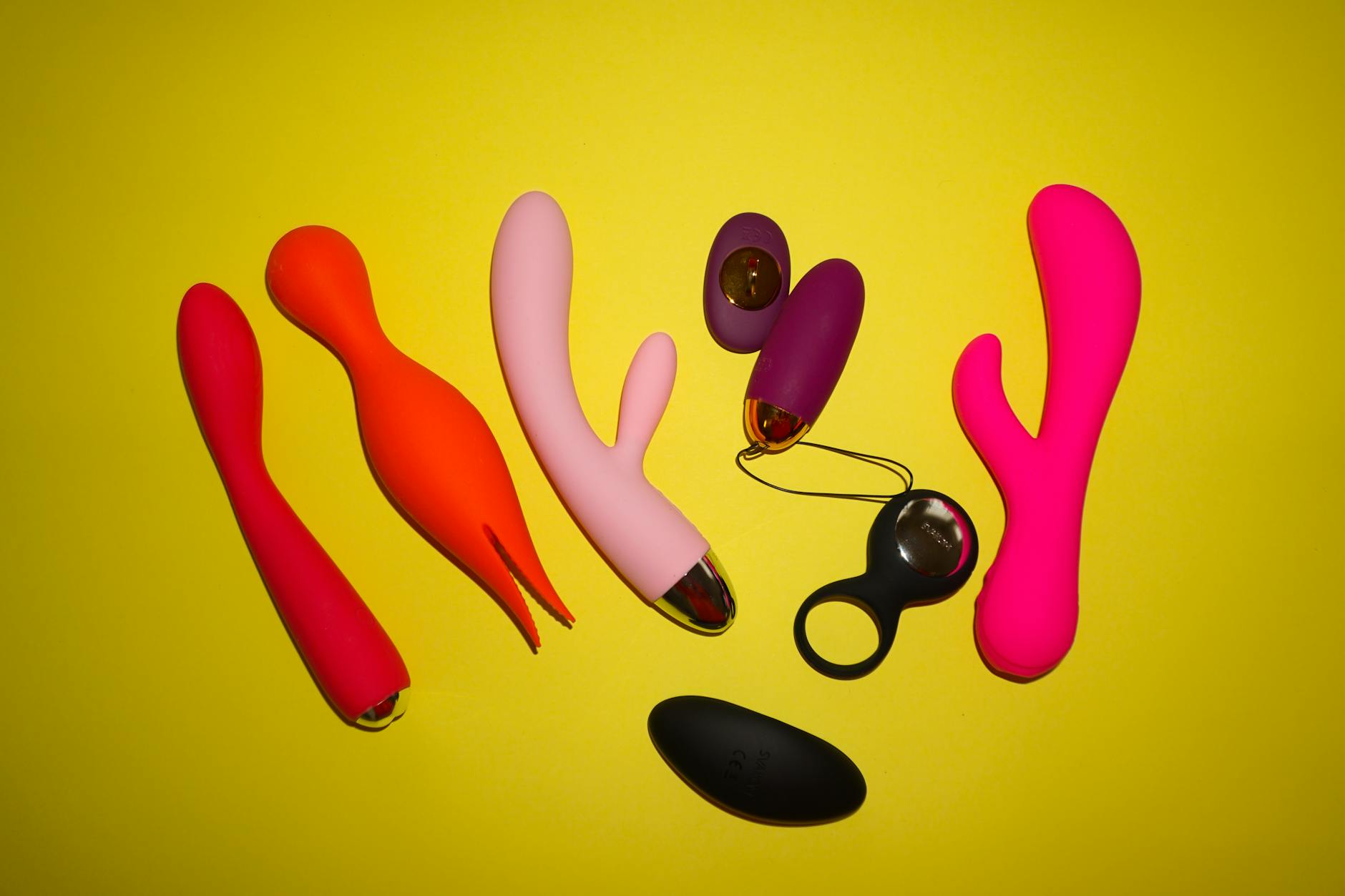
A lemon clitoral vibrator like the Lemon Massager works beautifully here because it's small, discreet, and the suction sensation bypasses the shame that direct vibration sometimes carries. If you've been avoiding sex, shame is probably sitting on your chest. A tool that feels gentle and almost clinical in function can help ease past that.
Start at the lowest setting. You're not racing toward an orgasm. You're mapping what sensation still feels good. Spend five minutes just holding the vibrator against the outer area. Notice what your body wants. If something feels too intense, back off. Your nervous system is still waking up.
Managing the Shame That Shows Up During Solo Exploration
You might feel guilt the first time you touch yourself intentionally. That's the gap talking.
Remind yourself: solo pleasure has nothing to do with your partner or your relationship. It's information gathering. You're researching your own body in a controlled environment. This is not betrayal. This is preparation.
If shame spikes hard, pause. Breathe. Notice where you feel it (chest, throat, lower belly). That's your nervous system telling you it's overwhelmed. You can keep going or stop. Either choice is fine. You're building tolerance for pleasure incrementally, not forcing yourself through discomfort.
Most people who've avoided sex for a long time find that the first few solo sessions feel mechanical. No earth-shattering orgasm. Just gentle sensation. That's normal. You're rewiring permission. Intensity comes later.
The Conversation With Your Partner (Before You Restart)
If you're in a relationship, you have to talk about this before you touch them.
Don't make it a confessional ("I'm sorry for avoiding you for so long"). Make it a plan ("I want to start rebuilding this with you. Here's what I need"). The conversation should include:
- What made the gap happen (stress, health, resentment, whatever it was). Name it without blaming your partner unless they were actually the problem.
- What you've discovered about your own pleasure (even if it's just "I'm not sure yet").
- What you need from them (patience, no pressure for PIV sex, consistent check-ins about what feels good).
- A boundary: "I want to rebuild this slowly. That means we're not jumping straight back to how things were."
Then actually slow down. Most couples try to jump from zero to their old routine and blow up within three encounters. The gap is too wide for that.
How to Introduce a Lemon Vibrator Into Partner Sex (Carefully)
Don't surprise them with it. Talk about it first.
"I've been using something that helps me feel pleasure again. I'd like to use it with you." That's the sentence. Then listen to what they say. If they're worried it replaces them or threatens their ego, that's worth addressing separately (and with a therapist if needed). Many partners find that toys actually release pressure. Your pleasure becomes a shared project, not their sole responsibility.
When you do use it together for the first time, keep the encounter short. Maybe 15 minutes total. You're proving to your nervous system that partner sex doesn't have to be the three-act play it once was. It can be smaller, simpler, and still good.
Let your partner watch. Let them hold it sometimes. Let them participate in the choice of when to use it. This is collaborative nervous system recalibration, not you withdrawing into your own pleasure.
Many couples find that using a lemon clitoral vibrator together actually softens the gap. It's lower stakes than traditional sex. It removes performance pressure. And it genuinely works, which means you're both succeeding at something together for the first time in a long time.
The Timeline Is Longer Than You Think It Should Be
Reconnecting after 6 months usually takes 8 to 12 weeks of consistent effort (twice a week, minimum). After a year or longer, assume 12 to 20 weeks. This is not pessimism. This is realistic nervous system recovery.
Your body has to unlearn avoidance. That doesn't happen from three good encounters. It happens from cumulative positive experiences that literally rewire your brain's threat detection system.
During this timeline, you may have setbacks. A bad day at work tanks your libido. Your partner says something that triggers old tension. You suddenly feel nothing again. That's not failure. That's just the non-linear path of reconnection. Keep going anyway.
When to Get Professional Help
If the gap lasted more than two years, or if it was caused by infidelity, trauma, or severe relationship breach, couples therapy is worth considering alongside your personal exploration. A therapist can help you both understand why the gap happened and prevent it from widening again.
Similarly, if you're using a tool like a Lemon Massager and you're still feeling disconnected after consistent practice, talk to a doctor. Sometimes long-term avoidance masks a physical issue (hormone imbalance, medication side effect) that deserves attention.
Avoidance is often a symptom, not the problem itself. Finding the root makes restart sustainable.
What Reconnection Actually Feels Like
It doesn't feel like the movies. There's no thunderbolt moment.
It feels like this: you're using your vibrator alone, and for the first time in months, you notice your breath changing. Your hips shift slightly. A small sensation builds. It's not explosive. But it's real. And it's yours.
Then, with your partner, you feel them watching you with interest instead of pressure. You use the Lemon together, and there's a moment where you both laugh at something small. That laughter is the thing. Sex after a long gap isn't about performance. It's about rediscovering presence.
After weeks of this, you might initiate touch without the vibrator. Your body remembers. Not instantly, not perfectly. But it remembers.
That's reconnection. Not erasing the gap. Moving past it.
People Also Ask
Is it normal to feel nothing the first time after a long gap?
Completely normal. Your nervous system is still in protection mode. The first few sessions often feel mechanical. Sensation builds over weeks, not instantly. If you're still feeling nothing after four to six weeks of consistent practice, that's worth mentioning to a doctor, as it could signal something physical that needs attention.
Should I use a vibrator alone or with my partner first?
Alone, always. Solo exploration lets you reconnect with your own pleasure without an audience or performance pressure. You're also gathering information about what feels good, which you can then bring to partner sex. Starting with your partner can feel too vulnerable if it's been a long time.
What if my partner is angry about the gap and doesn't want to restart?
That's a relationship issue that goes beyond toys. Their anger is valid, and it needs addressing through conversation or therapy before you push intimacy. A vibrator won't fix resentment. But once you've addressed the resentment together, it can help rebuild connection.
How do I bring up using a lemon clitoral vibrator without embarrassing myself?
Direct and simple works: "I'd like to try using something that helps with pleasure. Would you be open to that?" Most partners are relieved because it takes performance pressure off them. If they resist, ask why. Usually it's about fear, not actual objection.
Can I use a Lemon Vibrator if I still feel no desire after weeks of trying?
Yes, but it's a signal to dig deeper. Low desire after long avoidance can mean depression, medication effects, unresolved relationship tension, or hormonal issues. A vibrator is a tool for building sensation, not a cure for absent desire. If desire stays absent, that's worth investigating with a healthcare provider.
What if reconnecting triggers old trauma or anxiety?
Pause, breathe, and tell your partner (if present). Reconnection can surface things that made you avoid in the first place. If that happens, consider working with a therapist who specializes in sexual health. You're not broken. You're just uncovering something that needs processing before you can move forward.
References and Sources
Gottman, J. M., & Silver, N. (2015). The Seven Principles for Making Marriage Work. Crown.
Meston, C. M., & Frohlich, P. F. (2000). The neurobiology of sexual function. Archives of General Psychiatry, 57(11), 1012-1030.
Perel, E. (2018). The State of Affairs: Rethinking Infidelity. Harper.
Van der Kolk, B. (2014). The Body Keeps the Score: Brain, Mind, and Body in the Healing of Trauma. Viking.