The shift nobody talks about
You went on hormonal birth control and your body adapted. Now you're stopping it, and your body is adapting again. But here's what's wild: most people don't expect how much that second adaptation changes the arousal experience. The pills, patches, or rings you've been using did more than prevent pregnancy. They flattened your hormonal curve, muted your testosterone, and recalibrated what turns you on and how easily.
When you stop, those hormones come roaring back. And sometimes, so does desire you'd forgotten you had. Other times, the sensation feels entirely unfamiliar.
What hormonal birth control actually does to pleasure
Hormonal contraception suppresses ovulation by flooding your system with synthetic estrogen and progestin. This has a side effect on arousal that doctors mention in passing and users discover in the shower: sex drive tanks for a lot of people. That's not psychosomatic. It's neurochemical.
The medications also lower your free testosterone. Yes, everyone produces testosterone. And yes, it's a primary driver of sexual interest and arousal speed. Lower testosterone means slower arousal, lower baseline desire, and sometimes a kind of sexual numbness that feels like the new normal after a year or two on pills.
Your vaginal tissue also gets affected. The hormonal environment shifts, changing lubrication patterns and how sensitive your clitoris feels to stimulation. Some people report needing more intense touch to feel anything at all. Others report that their orgasms feel flatter, less full-body, less satisfying.
Then you stop. And in the next 4 to 12 weeks, your natural hormone cycle rebuilds itself.
The first 2 to 4 weeks: the disorientation phase
Right after you stop, you might feel absolutely nothing. Some hormonal contraceptives take 7 to 10 days to completely clear your system. In that window, you're in a strange limbo where the synthetic hormones are gone but your natural cycle hasn't fully kicked back in.
You might feel anxious, foggy, or weirdly emotional. Your vulva might feel tender or oversensitive. And sexually? You might feel neither horny nor satisfied. It's a reset moment. The body hasn't started rebuilding yet.
This is not the time to judge your pleasure capacity. It's just a pause.
Weeks 2 to 8: when sensation starts returning
Here's where things get interesting. As your natural estrogen and testosterone rebuild, you'll probably notice a shift. For some people, it's dramatic and immediate. Desire returns, sensitivity sharpens, and orgasms feel bigger and more whole-body again. For others, it's slower and more subtle.
You might also feel sensation unevenly. One day your clitoris feels super responsive. The next day, touch there feels almost too intense. This isn't abnormal. It's your nervous system recalibrating to a hormone environment it hasn't experienced in years.
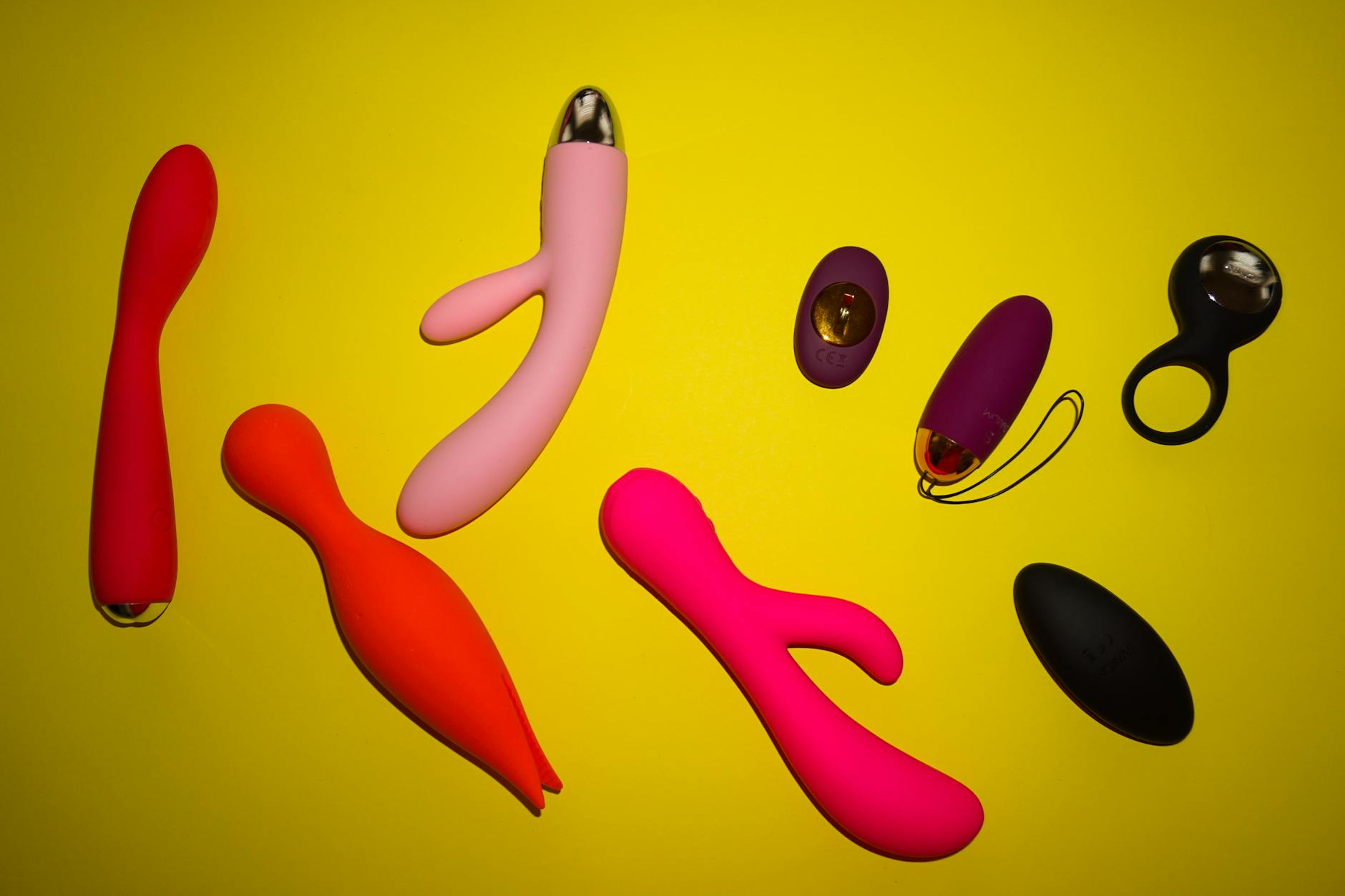
This is when a lemon clitoral vibrator becomes useful. Why? Because returning sensation often benefits from patterns and rhythm that you can control. The lemon's air-suction technology doesn't rely on direct friction, which can feel overwhelming if your tissue is being extra sensitive. Instead, it creates a gentle pressure wave that coaxes sensation back online without overstimulating.
Start low. The lemon has multiple intensity levels, and after hormonal birth control, you might need to begin at pattern 1 or 2, even if you used vibrators at higher intensities before. Your body is relearning what intensity feels good.
Why clitoral vibrators help with hormonal reset
When your arousal system is recalibrating, you need tools that work with your nervous system, not against it. Traditional vibrators that use direct oscillation can feel either too harsh or too subtle during hormonal transition. That's where suction-based lemon sexual toys shine.
The suction pattern mimics the feeling of oral stimulation, which reaches deeper nerve endings without relying on superficial friction. For people rebuilding arousal after hormonal suppression, this matters. Your clitoris has about 8,000 nerve endings, and they're not all equally responsive during transition. Suction stimulates a broader range.
Also, you can control everything. You can pause, adjust intensity on the fly, combine it with other touch, or use it solo. That agency matters when your body feels unfamiliar to you.
The psychology of pleasure after stopping birth control
Here's the bit that doesn't get discussed enough: the emotional reset that happens after stopping hormonal contraception can mess with pleasure even if the physiology is fine.
Some people go on birth control because they wanted lower desire. The reduced sex drive felt like relief from pressure. Or they were partnered with someone who made sex feel obligatory, and the pills gave them a biological excuse to not want it. When you stop the pills, that desire comes back, and suddenly you're confronting why you took the medication in the first place.
Other people go on birth control and genuinely don't realize how much it flattened them until it wears off. The return of arousal can feel shocking, even intrusive. You might need time to befriend that part of yourself again.
This is not something a vibrator fixes. But it's something worth naming. If you're coming off hormonal birth control and feeling emotionally scattered around sex, that's real. A conversation with a therapist or a trusted partner is often as valuable as any tool.
Practical steps for reconnecting with pleasure
Three weeks in, or whenever you feel the first glimmer of return arousal, try this rhythm.
Set aside 20 to 30 minutes solo. No pressure to orgasm. Your job is just to notice sensation. Start by touching your body without the vibrator. Notice temperature, texture, sensitivity. Spend five minutes on your breasts, neck, inner thighs. Anywhere except genitals.
Then, introduce the lemon at its lowest intensity on areas that feel neutral first. Your inner thighs. Your labia. Your lower abdomen. Spend two minutes at each spot, noticing whether sensation is building or staying flat. No judgment either way.
Once you've warmed up, bring the lemon to your clitoris, still at low intensity. Move it slowly. Let your nervous system get curious about the sensation before you ask it to respond.
If orgasm happens, great. If not, that's also fine. The goal is data about what your body is feeling right now.
Repeat this once or twice a week for the next month. You'll likely notice that sensitivity speeds up, that you need less warmup time, and that certain patterns feel better than others. That's the recalibration working.
When to see a doctor
If it's been three months off hormonal birth control and you feel zero arousal, completely flat sensation, or persistent pain during sex, talk to a gynecologist. Sometimes the system needs longer to reset. Sometimes hormonal imbalance persists and benefits from support. Sometimes something else entirely is happening.
Ditto if your mood has tanked, if you're experiencing depression or anxiety, or if your period has vanished entirely. These things are fixable, but they need professional eyes.
What typically returns by month 3
Most people experience significant arousal recovery by 8 to 12 weeks off hormonal birth control. Testosterone rebounds, and with it, spontaneous desire often returns. You'll probably feel hornier at different points in your cycle. Your clitoris will likely feel more responsive. Orgasms often return to the intensity and complexity they had before birth control.
Some people find their sexuality has actually shifted. Coming off birth control can rewire what turns you on, what kind of stimulation works, and what kind of partner dynamic feels right. This is often a gift, but it can also mean that old patterns of touch or partnership don't land the same way anymore. That's information worth sitting with.
The lemon vibrator as a bridge tool
A lemon clitoral vibrator won't speed up your hormonal reset. But it can help you reconnect with sensation in a way that feels gentle and responsive. The lem vibrator's suction technology is particularly helpful because it doesn't demand intensity to feel effective. You can rebuild arousal at your pace, with a tool that meets you where you are.
Think of it as a conversation between you and your nervous system. The vibrator is just the language you're using to have that conversation.
Common questions about birth control and pleasure
Does stopping birth control always increase libido?
Not always. For some people, libido stays moderate even after stopping. Desire is influenced by relationship quality, stress, sleep, health, and many other factors beyond hormones. If your relationship dynamic or stress level hasn't changed, don't expect libido to shoot up just because you stopped pills. That said, many people do notice measurable increases in sexual interest and ease of arousal within 8 to 12 weeks.
How long does it take to feel "normal" again after stopping birth control?
Three to six months is typical for most people. But normal is individual. Some people feel recalibrated in four weeks. Others take six months or longer. If you're still feeling off at six months, check in with your doctor. There might be an underlying hormonal or nutritional issue that deserves attention.
Can I use a lemon vibrator right after stopping birth control?
Yes, but start gentle. Your tissue might be extra sensitive during the first few weeks. Low intensity, short sessions, plenty of lube, and patience will serve you better than jumping to higher settings. Let your body tell you what it needs.
Will orgasms feel different after stopping birth control?
Often yes, at least for the first few weeks. Orgasms might feel bigger, smaller, different in location, or slower to build. This is normal. Your nervous system is recalibrating. Most people find their orgasms feel more satisfying after the reset period, but that variation in the meantime is just part of the process.
Is it normal to feel emotionally weird after stopping birth control?
Completely normal. Hormonal shifts affect mood, anxiety, focus, and social connection. You might feel tearful, irritable, more social, or more introverted for a few weeks. If it persists beyond six weeks or feels severe, reach out to a healthcare provider. But temporary emotional volatility is an expected part of hormonal recalibration.
What if I still have no desire three months after stopping?
Talk to your doctor. Sometimes prolonged hormonal suppression takes longer to reverse. Sometimes there's an underlying thyroid issue, nutritional deficiency, or other health factor. Sometimes the relationship or life stress that made you want lower libido in the first place hasn't changed. All of those are worth exploring with professional support.
Moving forward
Coming off hormonal birth control is a chance to reconnect with a part of yourself that's been quiet. That reconnection doesn't happen on a timeline, and it doesn't happen at the same pace for everyone. Be patient with your body. Use tools like a lemon clitoral vibrator to support the process, not rush it. And remember that if something feels off, your medical team is there to help.
Your pleasure matters. And it's worth the time it takes to find it again.