
Let's talk about the gap
Time away from physical intimacy is weird. Your body forgets some things and remembers others in strange ways. Maybe you've been apart for work, health reasons, family crisis, or you simply haven't touched in so long that the idea of starting again feels enormous. That's real. That gap is real, and it changes how sensation works.
Here's what I know after years of working with couples rebuilding connection: the return to touch doesn't have to be awkward, and it absolutely doesn't have to feel like you're "catching up" on lost time. You're not. You're starting something new.
What happens to your body after months without touch
When you haven't had sexual contact for an extended period, a few physical things shift. Your tissues become less accustomed to stimulation. Blood flow patterns change. Arousal takes longer to build because your nervous system has literally recalibrated around not being touched. This isn't dysfunction. It's just biology responding to absence.
Your brain is doing something different too. Anxiety can spike. Your mind has probably built up narratives about what sex "should" feel like based on your past, and there's often shame layered underneath. The pressure you're putting on yourselves to make it "good" right away is usually the biggest obstacle, not your bodies.
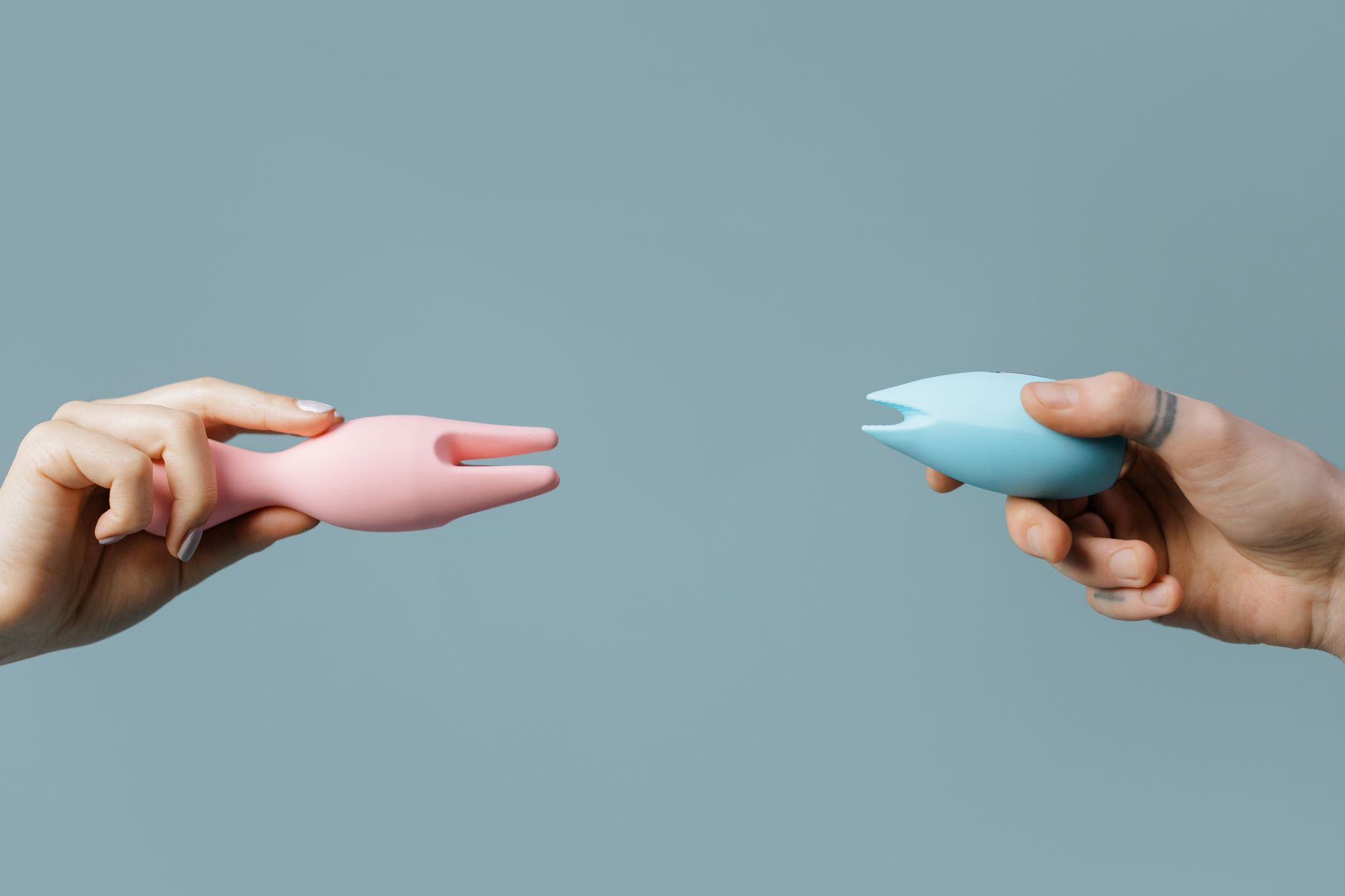
Photo by cottonbro studio on Pexels
The good news: none of this is permanent. Your body hasn't forgotten how to feel pleasure. It just needs permission and time to remember.
Why tools matter more now than before
A clitoral vibrator like the Lemon Massager serves a specific purpose when you're rebuilding intimacy after a gap. It removes the performance pressure from partnered touch. You're not waiting for your partner to "get it right." You're not adjusting to their timing or worrying about how you look. The vibrator becomes a conversation starter instead of a threat.
Lemon vibrators work particularly well here because the sensation is consistent and doesn't require physical stamina from either of you. If you're nervous, that consistency helps. Your nervous system gets to know what's coming. There's no guessing. After months of touch absence, that predictability is actually comforting.
For the partner watching, it also removes pressure. They get to see what you like. They get to learn your body fresh, without assumptions. That's valuable data, and it makes the eventual partnered touch way more connected.
The conversation before you start
This is non-negotiable: you need to talk first. Not a five-minute talk. A real conversation.
Say things like: "I want to rebuild this with you, and I'm nervous." That honesty matters. Say what you're worried about. Is it feeling disconnected? Afraid you won't want it? Concerned about pain or discomfort? Name it. Your partner can't help with what you haven't said aloud.
Then agree on what you're actually doing. Are you exploring solo first? Together from the start? Is this about you experiencing pleasure, or about both of you connecting? Is there a time limit? Permission to stop? Those boundaries aren't sexy, but they make safety possible. And safety makes real desire possible.
If you're using a lemon clitoral vibrator together, talk about what that means. Your partner doesn't need to do anything except be present. Sometimes that means they're in the room. Sometimes it means they're on the other side of the bed. Figure it out together.
Starting solo to rebuild your own sensation
I usually recommend this approach: spend time reacquainting yourself with your own body and pleasure before bringing a partner fully into the experience. This isn't selfish. It's foundational.
Set aside 20-30 minutes when you're not rushed. Your nervous system needs to know you're safe. That means no kids about to wake up, no work deadline looming, no partner sitting there watching and waiting. Just you.
Start with your hands. No vibrator yet. Touch your collarbone, your breasts, your inner thighs. Notice what feels good. Go slow. This isn't foreplay toward an orgasm. This is sensation hunting. You're remapping your own touch receptors.
After 10 minutes or so, introduce the Lemon Massager on its lowest setting. Start on your inner thigh, your abdomen, your forearm. Let the sensation be unfamiliar for a minute. That's okay. Then bring it closer to your clitoris. Notice what intensity feels good. This is research, not performance.
You might not orgasm. That's fine. The goal is to remember what your body is capable of feeling. That alone is the win.
Partnered restart: the choreography
When you're ready to include your partner, here's what usually works: they get to be curious, not in charge.
Start clothed. Lie together. Kiss. Touch over clothes. Remind your bodies what closeness feels like without the pressure of penetration or orgasm. This can take a few sessions. It should.
When you're ready to introduce the lemon vibrator, you can hold it, or your partner can. Either way, the person with the vulva stays in control of speed, pressure, and when to stop. Your partner's job is to pay attention and ask questions: "Does that feel good? Faster? Lighter?"
You can orgasm together this way, or you can focus on sensation and connection without that as the goal. Both are valid. What matters is that you're touching and communicating while it happens.
After, talk about it. Not a performance review. Just: "That felt good," or "I want to try something different next time." You're building a new language together.
Managing the emotional stuff
Gaps in intimacy often have emotional weight. Maybe the relationship struggled. Maybe life happened. Maybe you're both grieving the time you lost.
Don't expect the vibrator to fix that. It won't. A Lemon Massager is a tool for sensation, not for healing disconnection. If there's resentment, loneliness, or broken trust underneath the physical gap, that needs its own space. Therapy, actual conversations, time. The vibrator is a addition to healing, not the healing itself.
But here's what it can do: it can be a way of saying "I want to try." Showing up together, touching, exploring pleasure again. That's a form of reconnection that words sometimes can't reach.
Timing expectations
Don't expect to feel "back to normal" in a week. Or a month. Your body and your relationship both need time.
Some people find their rhythm again in a few weeks. Others take months. Both are normal. You're not broken if it doesn't snap back immediately. You're also not doomed if you're struggling. You're just in the middle of a slow rebuild, which is exactly where you should be.
If you're still experiencing pain, numbness, or complete absence of sensation after eight weeks of consistent, relaxed exploration, that's worth mentioning to a gynecologist. Sometimes there are physical factors. But more often, the nervous system just needs patience.
When to go slower, when to go deeper
Listen to your body's signals. If you notice tension building instead of release, pause. If you feel disconnected mid-session, that's information. Stop, talk, try again another day.
If you're feeling more comfortable, more sensation, more desire, lean into it. Add longer sessions. Explore different positions or intensities. But always stay connected to how you're actually feeling, not how you think you should feel.
Frequently Asked Questions
Can you use a Lemon Massager if you haven't had sex in years?
Completely. Start on the lowest setting and go slow. Your tissues and nervous system just need gradual reintroduction to sensation. The Lemon vibrator's suction mechanism is gentler than direct vibration, which makes it a good restart tool. Most people find it feels good almost immediately, even if full arousal takes time.
What if using a vibrator makes me feel more disconnected from my partner?
That's a sign to pause and have a conversation. Sometimes tools feel impersonal when you're trying to rebuild intimacy. You might want to focus on manual touch for a while first, then introduce the vibrator later. Or you might find that using it together actually deepens connection because there's less performance pressure. Every couple is different.
Is it normal to feel nothing the first time?
Yes. After months without touch, your nervous system is cautious. Numbness or flatness isn't dysfunction. It's protection. Keep exploring gently over a few sessions and sensation usually returns. If it doesn't, talk to your partner and consider whether anxiety is the real block.
How long should I wait before trying partnered sex again?
There's no timeline. Orgasm or sensation with a vibrator doesn't mean you're ready for penetration. Go as slowly as feels good. Some couples spend weeks on touch and sensation play before moving to anything else. That's exactly right. You're rebuilding trust in your bodies and each other.
What if my partner doesn't want to restart yet?
That's crucial information. Ask why. Are they scared? Still hurt? Overwhelmed? Low desire? Not attracted anymore? Each answer needs a different conversation. You might need to work with a couples therapist. You might need to give it more time. But you can't force someone back into intimacy. You can only invite them and listen to what they need.
Can the Lemon Massager help if I'm nervous about restarting?
Yes. The vibrator gives you control and predictability, which helps nervous systems calm down. You're not relying on someone else's touch or timing. You're leading. That agency often makes a huge difference in easing back into pleasure after a long gap.
What comes next
You're not trying to recreate what you had before. That version of your sexuality lived in that moment. This is a new version, informed by time, change, and what you've both learned about yourselves.
Some couples find that restarting intimacy after a gap actually makes it better. The pressure lifts. The assumption dies. You have to actually communicate, which most couples never do. That honesty sometimes leads to deeper connection than what existed before the gap.
Start slowly. Keep talking. Use the tools that help. And remember that rebuilding pleasure is an act of courage, not a reflection of what went wrong. You're choosing each other and your bodies again. That matters.
If you're struggling with how to navigate this conversation or need more support, reach out. We're here to help you find your way back to each other.