Let's be real about antidepressants and pleasure
Antidepressants work. They genuinely do. But almost nobody warns you that SSRIs and SNRIs can make sexual response feel like watching a train arrive in slow motion. You're waiting. The platform isn't empty. The train is definitely coming. And then it shows up forty minutes late.
This isn't a side effect that goes away for everyone, and it's not something you fix by just relaxing. Flattened sensation is a documented neurochemical reality. The good news: you can work around it.
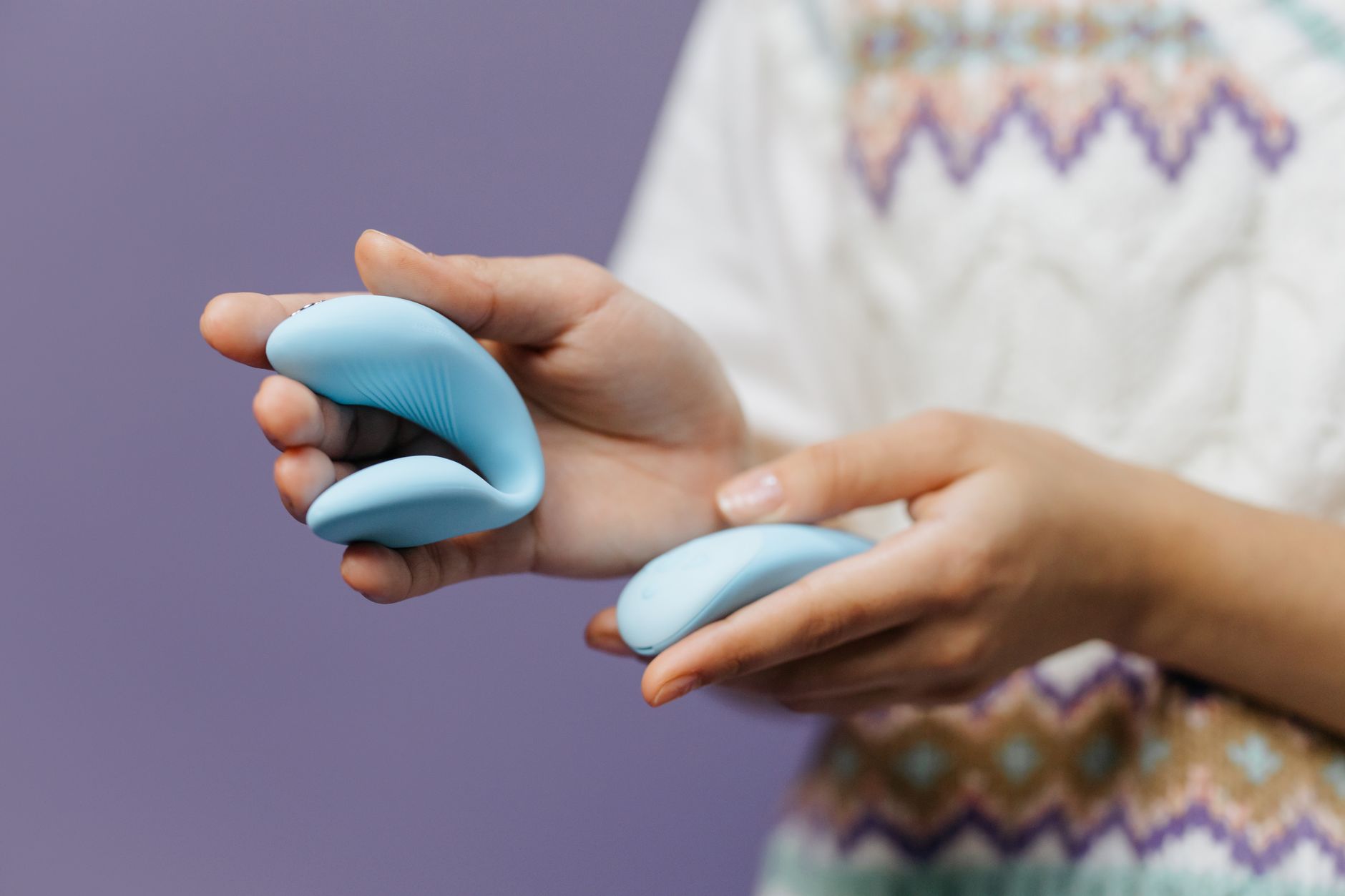
When arousal takes longer to build and sensation feels muted, the right tool makes the difference between frustration and actual pleasure. A lemon clitoral vibrator, specifically designed to stimulate rather than just buzz, becomes less of a luxury and more of a practical solution.
Why antidepressants affect sensation in the first place
SSRI and SNRI medications increase serotonin by preventing your brain from reabsorbing it. That's wonderful for mood stability. It's less wonderful for the neurotransmitters that control sexual arousal. Dopamine and norepinephrine drop slightly, which means the accelerator on desire and physical response gets quieter.
Think of it this way: your pleasure system normally runs on a volume of 8. After starting an antidepressant, it might settle at a 5 or 6. That's not broken. It's a trade-off your brain and body made in exchange for not wanting to disappear.
Some people adjust after 4-8 weeks. Some never do. Both are normal. The important thing is knowing this isn't laziness, low desire, or relationship trouble. It's chemistry. And chemistry is fixable through intentional technique and the right equipment.
The role of patience in rebuilding arousal
When sensation is muted, rushing makes everything worse. A ten-minute session will feel flat. A thirty-minute slow build might actually work.
Here's what I recommend to clients navigating this: schedule longer sessions than you used to. Not because you're broken, but because your nervous system needs more time to reach the same threshold. Give yourself permission for this to feel different. Earlier, maybe you'd feel ready in five minutes. Now it might be twenty. That's not a problem to solve. It's information you're gathering about your own body.
When you're with a partner, this is crucial to communicate before you start. "My body is processing sensation differently right now, and I need us to plan for a longer warm-up" is not an apology. It's a request for partnership.
Why a lemon clitoral vibrator works better than standard vibrators
Most vibrators use pure oscillation. They buzz. For people experiencing dulled sensation, buzzing alone often isn't enough stimulation to break through the neurochemical barrier.
Clitoral suction vibrators like the Lemon Massager work differently. They use rhythmic pressure combined with suction patterns, which engage a broader range of nerve endings than vibration alone. This matters wildly when your system is running at reduced sensitivity. The stimulation is more complex, more varied, and more likely to actually register.
I've worked with dozens of people on antidepressants who reported that standard vibrators felt like nothing, but suction-based tools genuinely worked. The difference is biomechanical, not psychological.
How to use a Lemon vibrator during the medication adjustment phase
Timing is everything. Most sexual side effects from antidepressants peak in the first 2-4 weeks, then slowly improve. Don't judge how your body will eventually respond based on the first month.
During that early phase:
Start with consistency, not expectation. Use the vibrator on the lowest setting every other day. Not because you're chasing an orgasm, but because you're remapping sensation. Your nervous system needs repetition to recalibrate. Think of it as training, not performance.
Warm up longer than feels necessary. Spend 10-15 minutes with the vibrator on low before moving to higher intensity. Your arousal system is slower. Give it runway.
Pair the vibrator with something that creates mental engagement. Read something that turns you on. Fantasize. Listen to audio. The brain is part of your sexual response too, and it often needs more activation when your body is running quietly.
Experiment with pattern over intensity. The Lemon vibrator has multiple patterns. When one feels numb, switch patterns. Different rhythms stimulate different nerve clusters. Numbness with pattern one doesn't mean numbness with pattern three.
If you're exploring with a partner, how to use a lemon vibrator with a partner who feels insecure about toys might help navigate any discomfort around introducing a tool.
The medication conversation you should have with your doctor
Not all SSRIs affect sexual response equally. Some people have better outcomes on sertraline than fluoxetine. Others switch to medications in different classes (like bupropion, which actually can increase libido).
If dulled sensation persists beyond six weeks and it's genuinely affecting your quality of life, tell your prescriber. This is not something to suffer through silently. Good doctors will adjust your dose, change the timing of your dose, or try a different medication. This conversation is worth having.
There's also sometimes a strategy called "drug holidays," where you take a planned break from the medication on weekends. This is only safe under medical supervision, but it's worth asking about if sensation loss is severe.
The goal is always the same: your mental health comes first, but your sexual wellbeing matters too. These aren't in opposition. A good prescriber will help you find the overlap.
Building pleasure back into your body gradually
When sensation returns, it usually doesn't happen all at once. You might notice that arousal takes less time. Then you might notice that intensity registers differently. Then you might have an orgasm that actually feels like something again.
Celebrate those small shifts. They're not small. They're evidence that your nervous system is healing.
For some people, using a lemon vibrator helps speed that healing by creating consistent, pleasurable sensory input. For others, it's just a reliable tool that makes pleasure possible during a window when pleasure would otherwise be out of reach.
Either way, you deserve pleasure while you're healing. That's not selfish. That's survival.
FAQ
How long do antidepressant sexual side effects usually last?
It varies wildly. Some people notice improvement within 4-8 weeks as their body adjusts to the medication. Others see changes after 2-3 months. And some people experience persistent sexual side effects for as long as they take the medication. If you're still experiencing significant dulling after 8 weeks, it's worth discussing with your prescriber. You have options.
Will switching medications definitely fix the problem?
Often, yes. But not always. Some medications have a lower incidence of sexual side effects than others. Bupropion (Wellbutrin) has the lowest rate. Certain SSRIs have fewer issues than others. That said, responsiveness to medication varies so much person-to-person that switching is a trial. Your doctor might suggest an adjustment before suggesting a new medication entirely.
Can I use a lemon vibrator if I'm also using topical numbing products?
No. If you're using a topical anesthetic cream or spray, the whole point is to reduce sensation. A vibrator won't help because your tissue is intentionally numbed. Skip the topical products if you're trying to rebuild sensation with a vibrator. Focus on direct stimulation instead.
Does sensation come back even if I stay on the same medication?
Yes, often. Your body adapts. After a few months, many people find that their sexual response gradually normalizes even if they never change medications. It's not universal, but it's common enough that you shouldn't assume the side effect is permanent.
Should I use the vibrator with or without a partner while adjusting to antidepressants?
Both have merit. Solo use lets you focus entirely on sensation without performance pressure. Partner use keeps intimacy alive. I usually suggest: do both. Solo sessions teach you what your body needs right now. Partner sessions maintain connection. They're not interchangeable. They're complementary.
Can antidepressants permanently damage my ability to experience pleasure?
No. Sexual response is temporarily dampened by the medication, but the capacity for pleasure is still there. It's not gone. It's muted. Once you adjust to the medication, or if you switch medications, sensation returns. The neurochemistry can reset. Your pleasure system isn't broken. It's temporarily running at a different volume.