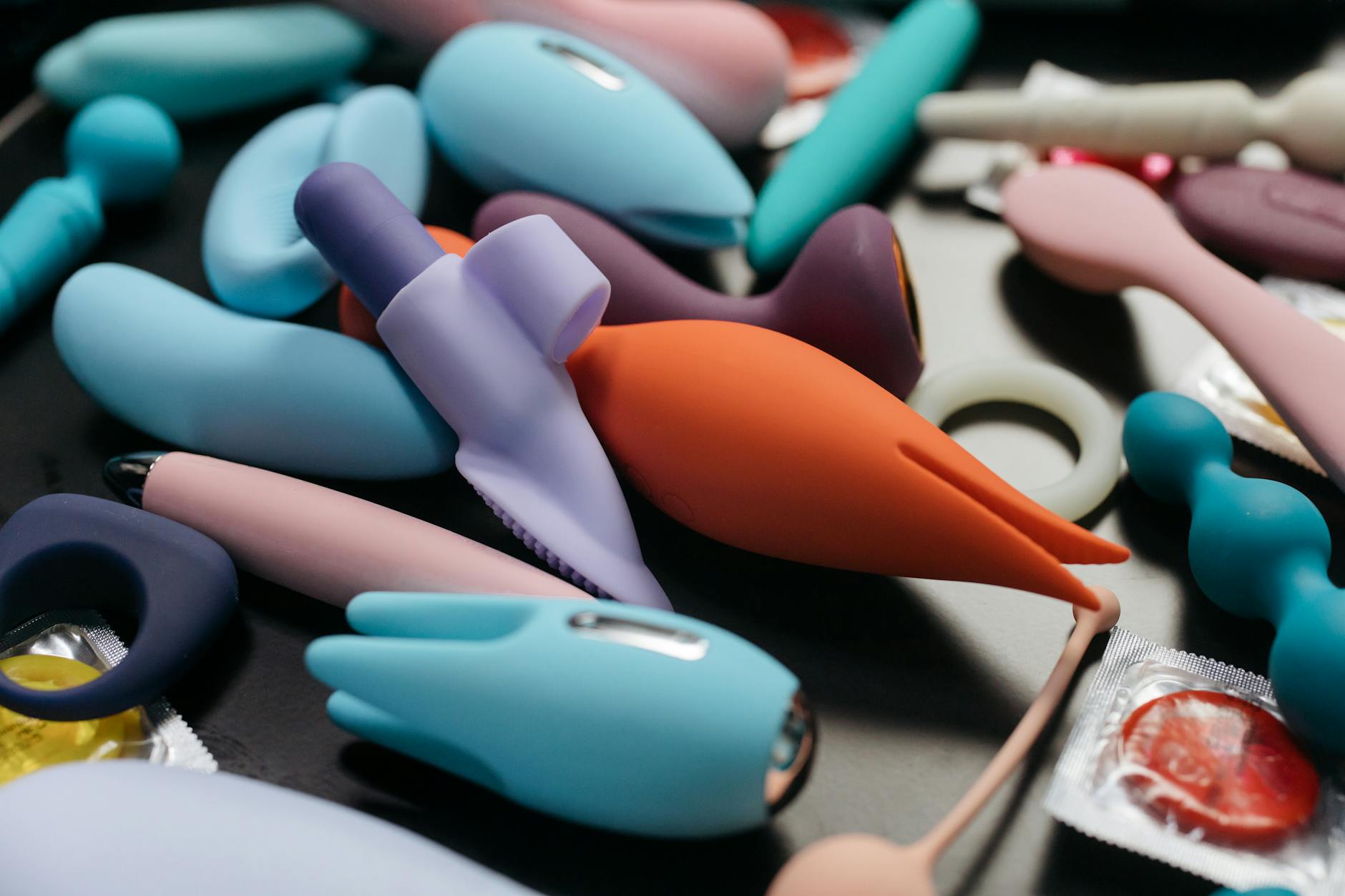
Here's the real thing about arthritis and pleasure
Arthritis doesn't end your sex life. It does change how you grip, hold, and position yourself during it. A lemon clitoral vibrator is actually one of the most arthritis-friendly sex toys available because it's lightweight, requires zero squeezing, and delivers power without you having to do much physical work. The trick is setting yourself up so your joints don't take the load.
I work with clients across their 40s, 50s, and beyond dealing with rheumatoid arthritis, osteoarthritis, and other joint conditions. The biggest mistake they make? Trying to use toys the same way they did before diagnosis. That doesn't work. But once you shift the setup, pleasure comes back, often stronger than before because there's less pain in the way.
Why hand grip is the real barrier
Arthritis makes gripping painful. A lemon vibrator, even the handle, can feel like work if you're holding it the same way for ten minutes straight. Your fingers get fatigued. Your wrist tightens. By the time pleasure builds, you're already dealing with joint discomfort.
Here's what changes that: you don't have to hold it at all. That's the secret most people miss. With the right positioning and support, the toy rests against your body and does the work while your hands stay relaxed and uninvolved.
Positioning strategies that protect your joints
Five positions that work well for people with limited grip or joint mobility.
1. Lying on your back, toy on a pillow between your thighs. Place a firm pillow under your hips so your pelvis tilts slightly upward. Set the lemon vibrator on the pillow, power it on, and shift your weight so it stays in contact. Your hands rest on your belly or beside you. Zero grip required. Your hips and inner thighs do the positioning work, which is usually stronger and less painful than finger joints.
2. Seated in a recliner or backed chair, toy against the chair. Sit with good back support. Tuck a firm pillow between your back and the chair, then place the lemon vibrator between the pillow and your body. Lean back slightly to adjust pressure. Your arms and hands stay free and relaxed. This works especially well if standing or lying down bothers your knees or lower back.
3. Kneeling with toy braced on a pillow in front. If your knees tolerate kneeling, place a firm pillow on the floor or bed in front of you. Set the toy on it. Lower yourself gently so the vibrator makes contact. You control depth and angle with your hips alone. Your hands can rest on the bed beside you or even behind your head. No gripping involved.
4. Using a pillow wedge as a mount. A firm pillow wedge (the kind designed for reading in bed) can become a toy holder. Tuck the handle between the wedge and a cushion so the vibrating head points toward you. You recline against the wedge and adjust position by shifting your pelvis. Your hands stay completely free.
5. Standing with toy against a wall or furniture. If you prefer standing, lean your hips gently against a sturdy piece of furniture (a bed frame, reinforced table edge). Position the toy so it presses between your body and the furniture. Rock slightly to adjust pressure. Your hands stay out of the equation entirely.
Grip modifications when you want hands involved
Sometimes you prefer more active engagement, and that's fair. Here's how to reduce joint strain if you want to hold the toy.
Use your whole hand, not your fingers. Don't pinch the handle between your thumb and fingers. Instead, wrap your whole palm around it. Your palm has bigger muscle groups and can distribute weight more evenly than individual fingers. It's genuinely less tiring.
Try a grip sleeve. Neoprene or foam grip sleeves (designed for canes, golf clubs, or sports equipment) slide over the vibrator handle and make it thicker and softer to hold. A thicker grip requires less hand squeeze to feel secure. You can find these at any drugstore in the mobility aids section or order them online. They cost under five dollars.
Brace your wrist. If wrist pain is your main issue, a soft wrist brace gives your joint stability without immobilizing it. Wear it while using the toy. It keeps your wrist from bending at painful angles while you grip. You can keep it on during the whole experience.
Take micro breaks. Every two to three minutes, lower the toy and shake out your hand. Rotate your wrist gently. This prevents fatigue buildup. It sounds awkward, but it's genuinely effective. Your hand recovers instantly and you can keep going without pain creeping in.
Warm-up and preparation matter more now
With arthritis, joints respond better to movement when they're warm. Before sex or solo time, spend five minutes on warmth. A warm shower beforehand helps. Or use a microwaveable heat pad on your hands, wrists, and hips for two to three minutes. Warm joints move more smoothly and hurt less when you shift positions.
Then spend extra time on arousal building before the toy comes out. This does two things. First, arousal itself increases blood flow to your hands and pelvis, warming everything up naturally. Second, when you're properly aroused, your nervous system is less focused on pain signals. You're more relaxed. The toy experience shifts from mechanical to genuinely pleasurable.
Lubrication and toy care for your comfort
Lubrication isn't just about friction. For people with arthritis, it's also about letting the toy glide without needing pressure adjustments. A good water-based lube means you don't have to grip tighter to keep the toy in place. It moves smoothly without you working hard.
Ke the toy clean immediately after use. Waiting means you have to grip and manipulate it when your hands are tired. A quick rinse and pat dry right after takes thirty seconds and saves you from joint fatigue later.
Store it in an easy-access place. If reaching into a cabinet or drawer hurts your shoulders or hands, keep your lemon vibrator on your nightstand in a soft pouch. The easier access the less you compromise before pleasure even starts.
When to talk to your doctor or partner
If positioning causes sharp pain anywhere, stop and shift. Dull ache is normal as joints adjust. Sharp pain is your body saying the angle is wrong. Pain shouldn't be part of pleasure.
If you share physical intimacy with a partner, this is worth a separate conversation from general arthritis talk. You might say something like, "I want us to keep this part of our relationship alive. Here's what my body can do now, and here's what actually feels good." That's not a limitation conversation. It's an adaptation conversation. Partners who care want to make this work.
If pain gets worse over weeks or if new joint swelling shows up, check in with your rheumatologist. It might mean your arthritis treatment needs adjusting, which is a separate medical question but worth raising.
The real shift that happens
Once you stop fighting your body's current limitations and start working with them, pleasure often deepens. You're more present because you're not white-knuckling a grip. You're breathing better because you're not braced against discomfort. A lemon vibrator in the right position becomes almost meditative. It works. You relax. That's it.
Many clients tell me their orgasms actually got stronger after they switched positioning. Less physical effort means less distraction. Less distraction means you can actually feel what's happening. That's not a consolation prize. That's better sex.
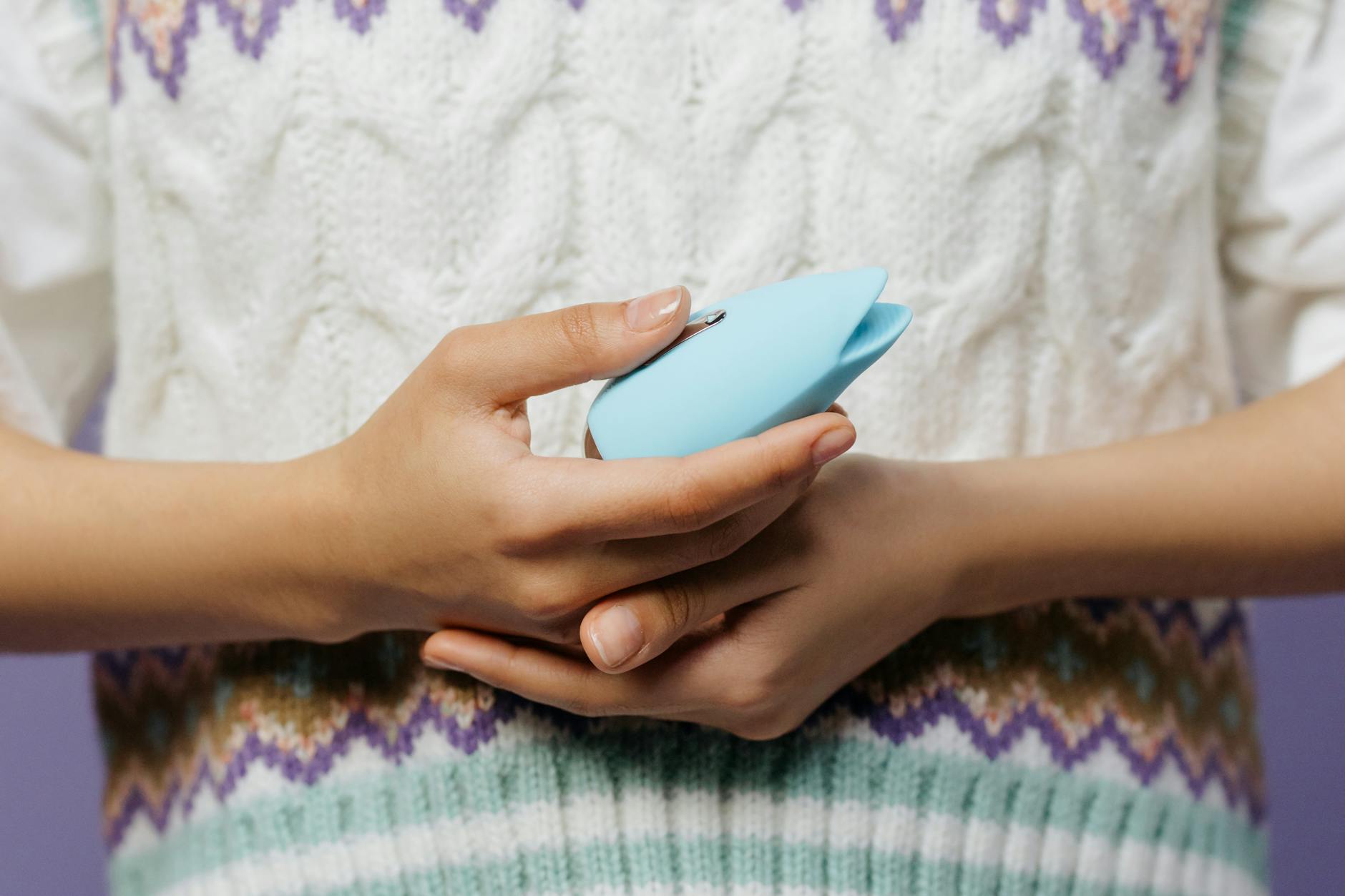
Photo by cottonbro studio on Pexels
FAQs
Can arthritis make you numb to vibration intensity?
No. Arthritis changes joint movement and grip strength, not nerve sensation. You'll feel the vibration normally. What sometimes shifts is the sensation in your hands from holding the toy, which is why hands-free positioning works so well. If you notice actual numbness in your genitals or hands, that's a separate nerve issue worth mentioning to your doctor, not an arthritis effect.
Is it better to use a lemon vibrator on a lower speed setting if you have arthritis?
There's no universal rule. Some people find lower speeds easier to control and less fatiguing if they're holding the toy. Others find that stronger stimulation gets them to orgasm faster, which means less overall time managing hand fatigue. Start with whatever feels comfortable and adjust from there. The lemon sucker technology is gentle enough that even high settings don't require gripping hard.
What if only one hand or wrist has arthritis?
You can absolutely use the non-affected hand to hold the toy. But honestly, the positioning strategies above work better because they take both hands out of it entirely. You're not limited by which side hurts. You get symmetrical pleasure instead of protecting one side while using the other.
Will using a vibrator make my arthritis worse?
Not if you're avoiding painful positions and not pushing through sharp pain. Gentle movement and pleasure-focused activity usually don't progress arthritis. If anything, the relaxation and improved blood flow from arousal and orgasm can feel temporarily better. The key is stopping if something hurts acutely, not powering through.
Can I use a lemon clitoral vibrator if I can't grip anything?
Absolutely. That's actually when hands-free positioning becomes essential. You're not alone in this. Use the pillow-wedge strategy or the braced-against-furniture approach. The toy does the work. Your body just receives it. That's the whole point.
What if my partner wants to hold the toy for me?
That's wonderful and worth exploring. A partner holding the toy gives you complete freedom to focus on sensation and arousal. Communication matters here. Tell them what pressure feels good, what speed works, and what positions your body needs. Let them adjust based on your feedback. This often deepens intimacy because you're literally placing trust in their hands.
What comes next
Your arthritis diagnosis doesn't close the door on pleasure. It just means you're getting smarter about how you approach it. A lemon vibrator, combined with positioning that honors your body's real limits, is genuinely one of the easiest toys to use when mobility is constrained. It's lightweight, quiet, and powerful enough that you don't need to work hard to feel it.
Start with one positioning strategy that sounds doable for your body. Spend a few minutes getting comfortable in that position. Then let the toy do what it's designed to do. If something doesn't feel right, shift. Your body will tell you when it's right. And when it is, you'll remember why this matters.