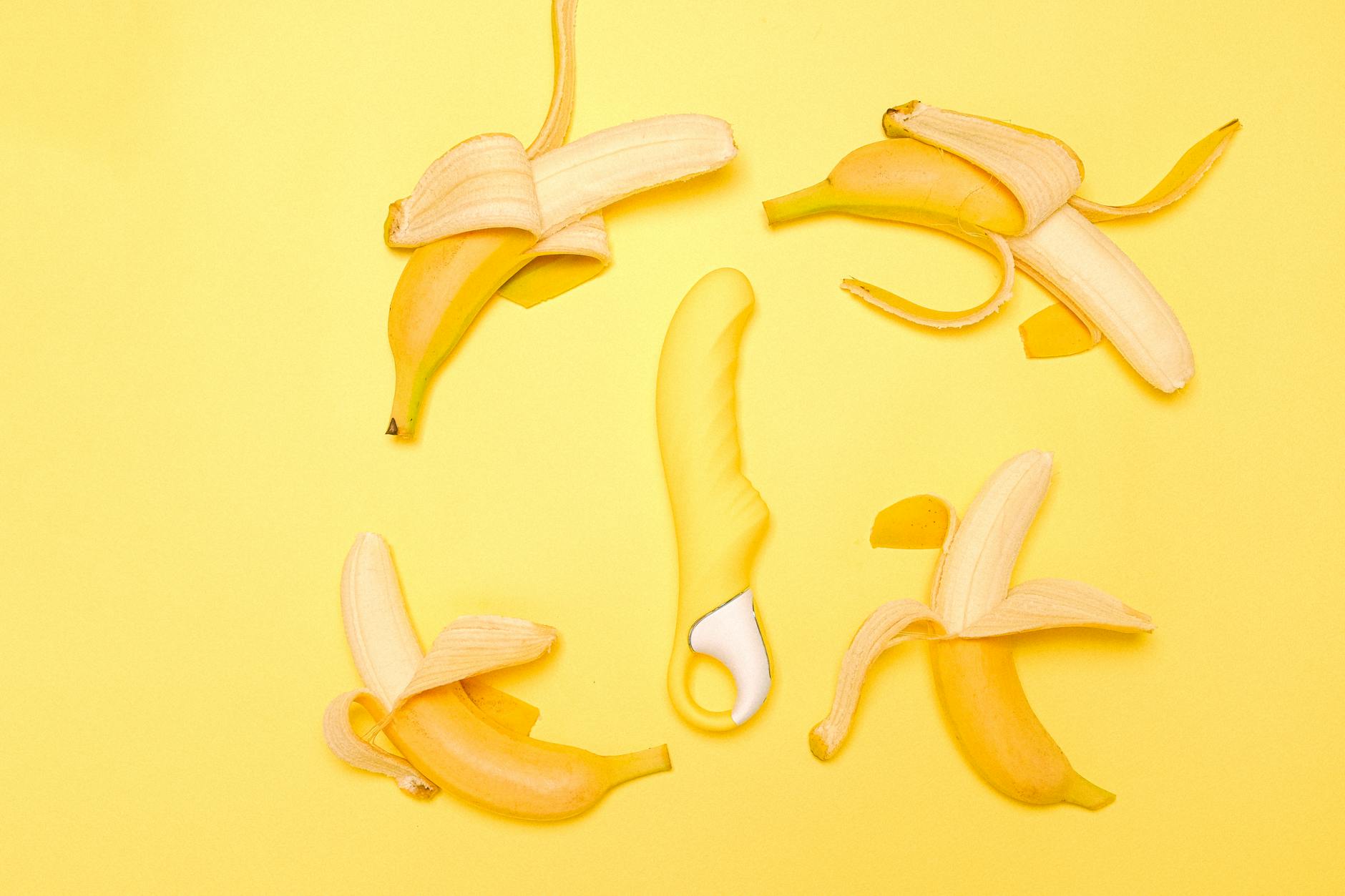
The stress-libido trap is real
You're angry. Or hurt. Or exhausted. Or all three, rotating depending on the day. The last thing your body wants right now is sex. Your partner senses this and either withdraws (which stings) or tries harder (which feels worse). Your libido doesn't just flatten. It vanishes. And now you've got a secondary problem: the distance between you has grown, which kills desire even more.
Here's what most couples get wrong: they treat the absent libido as the thing that needs fixing immediately. Actually, the absent libido is feedback. It's telling you something real. The move isn't to force desire. It's to rebuild it carefully, starting with yourself.
Why relationship stress kills arousal
When you're in conflict with someone, your nervous system perceives them as a threat. The same person you normally enjoy being close to now triggers a low-level stress response. That's not a character flaw in your relationship. That's your body protecting itself.
Arousal requires what we call "safe activation" in my practice. Your nervous system needs to believe that this moment is safe, that you're not about to be rejected or disappointed or dismissed. Relationship tension makes that belief nearly impossible. Your brain and body are at odds. Your brain might want to reconnect. Your body doesn't trust it.
Adding external pressure, even from a partner who's trying, makes it worse. Solo pleasure is different. A lemon vibrator gives you arousal without the relational risk. You're not performing for anyone. You're not managing someone else's feelings. You're just touching yourself in a way that feels good.
The permission piece
This is where I see people get stuck. They think using a clitoral vibrator solo while experiencing relationship strain means they're giving up on the partnership. The opposite is true. You're investing in the partnership by rebuilding your own capacity for pleasure.
Most partners actually want this. When you come back to them with arousal that originates inside you, that's renewable. You're not dependent on them to "fix" your desire. You've claimed it back. That's attractive to people who love you. It feels less desperate.
Permission to do this solo, explicitly, matters. Tell your partner what you're doing and why. "I'm rebuilding my own arousal. When I feel safe in my body again, we can reconnect." That's honest. That's adult. That's usually met with relief.
Using a lemon vibrator when your nervous system is in overdrive
Start with low stimulation. If you're carrying stress, your nervous system is already activated. You don't need intensity. You need signal that it's safe to downshift.
Begin at pattern 1 or 2 on your lemon vibrator. The subtle pulsing gives your brain time to actually register that this is safe pleasure. This is for you. No one else is involved. No one else's feelings are at stake.
You might not orgasm the first time. That's fine. The goal here isn't orgasm. The goal is to rebuild the neural pathway between "this feels good" and "I'm safe." That takes repetition, especially when you're stress-soaked.
Spend time just feeling. Place the vibrator against your clitoris and notice what patterns feel different. What intensity makes you relax. When does your breathing shift. These micro observations are how your nervous system learns that solo touch is genuinely safe.
Creating the actual conditions for pleasure
Environment matters more when you're stressed. Pick a time when you know your partner won't walk in. Lock the door if you need to. The tiny bit of physical security helps your nervous system drop into pleasure rather than staying vigilant.
Sound matters too. Music, white noise, nothing. Whatever lets your brain turn off the constant threat scan. Some people need silence to feel their own body. Others need sound to quiet their racing thoughts. Experiment.
Timing is the third piece. Right after an argument is often terrible. Your nervous system is flooded with cortisol. Three days later might be better. You're not freshly hurt, but the stress is still registering in your body. That's when solo pleasure can feel like a relief rather than a defiance.
Avoid using the lemon vibrator as a replacement for actual relationship repair. It's a tool for rebuilding your own capacity while you're also working on the relationship. Both things need to happen.
When to name this to your partner
Honestly, earlier than feels comfortable. The secret version of this creates distance. The named version, talked about clearly, often rebuilds it.
Something like: "I know things are rough between us right now. I want to reconnect with my own pleasure so I feel less shut down. I'm using solo time to rebuild my arousal. This isn't about you. It's so I can eventually show up better for us."
Most partners in healthy relationships respond by giving you space. Some want to know when you're doing this so they don't interrupt. Some want to know because it's hot to them. All of those are fine. The key is that it's not hidden. Hidden pleasure in a stressed relationship feels like deception. Named pleasure feels like strategy.
The arousal comeback
After a few weeks of consistent solo time with your lemon vibrator, you'll usually notice your baseline arousal shifting. You're thinking about sex at random moments. You're noticing attraction. Your body starts separating "this partner" from "the conflict we're in." That separation is crucial.
At this point, you can start talking to your partner about reconnecting. Not as an obligation. As an invitation that you're genuinely interested in. The difference will be audible in your voice.
Many couples find that the reconnection sex after this kind of intentional solo time is significantly better. You've both held the boundary. You've both respected the work. You're coming back to each other from a place of