Let's talk about what's actually blocking this conversation
Your partner isn't opposed to pleasure. They're not anti-toy. What they're actually feeling is something quieter and more specific: a mix of uncertainty about what this means, worry about comparison, and the low-level anxiety that comes with unfamiliar territory. These aren't relationship problems. They're just the normal friction of introducing something new at a stage in life when "new" feels riskier.
The good news is that lemon vibrators are genuinely one of the easiest entry points for older partners who haven't tried toys before. Here's why, and how to navigate it.
Why lemon vibrators work better for older partners specifically
I've worked with dozens of couples where one partner is 50+ and has never touched a vibrator. The blocks aren't about prudishness. They're usually about familiarity and control. Older partners often worry that a vibrator is either going to feel artificial, or that it signals something is "wrong" with their body or your attraction. Both fears are loud and quiet at the same time.
Lemon vibrators sidestep these because they're not framed as performance tools. A clitoral vibrator designed for pleasure, not correction. It doesn't ask anyone to be different. It just adds sensation.
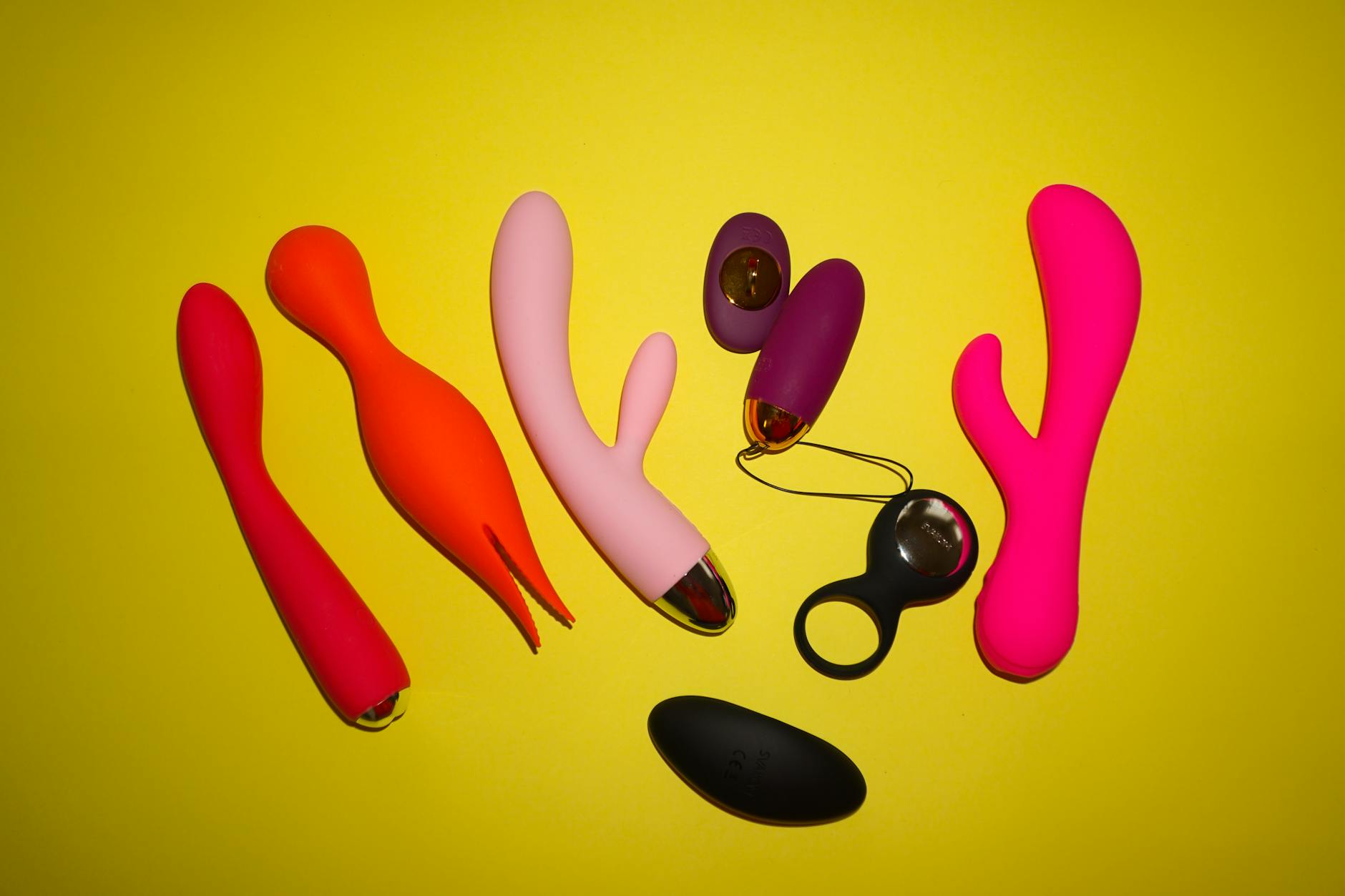
Second, lemon vibrators are discrete and visually less intimidating than traditional vibrators. No phallic design, no medical-looking setup. Just something that looks modern and intentional without being alarming. That matters more than it sounds when someone's never held a toy before.
Third, suction technology feels different from vibration in a way that often feels more intuitive to older bodies. It's pressure plus gentle movement, not relentless buzzing. That distinction can shift the whole frame from "this feels weird" to "oh, that actually feels good."
The conversation to have before you even show them anything
Don't lead with the toy. Lead with curiosity about their pleasure.
Try: "I've been reading about how pleasure shifts as we get older, and I'm realizing I want to know more about what actually feels good to you now. Not what used to work. What does right now."
That's not a vibrator ask. That's a relationship ask. You're signaling that you care about their experience, not that you're trying to fix something. This is the frame that matters. Everything that follows lands differently if you've built this first.
Listen to what they say. Really listen. "I'm happy with things as they are" doesn't mean "don't bring this up." It often means "I'm nervous about change." "I don't know if I'd be comfortable" means "I need to understand this differently." Your job is to translate their anxiety, not to argue against it.
How to introduce it without the pressure
Show them first. Not in a moment of arousal. Show them when you're both clothed, talking, maybe over morning coffee or while sitting on the couch. "I got this. It's called a lemon vibrator. It works totally differently than I thought it would. Want to see it?"
Let them hold it. Feel the weight. Understand the button. There's something calming about just holding something unfamiliar in your own hands, at your own pace. No performance. No expectation.
Explain what it actually does. "It uses suction, not just vibration. It's gentler than a lot of traditional vibrators. And honestly, you don't have to use it if you don't want to. I just wanted you to know it exists and why I got it."
Then let it sit. Don't push. Seriously. The worst move is eagerness. Eagerness signals anxiety, which becomes their anxiety.
When they're curious but still nervous
Many older partners will move from "no thank you" to "maybe" after a day or two. This is where patience becomes strategy.
Suggest a compromise: "What if we just tried it together next time we're intimate? No pressure to use it on yourself. Maybe I use it on you, or you watch. You set the pace."
Control is huge here. Older partners who haven't tried toys often worry about losing agency. Offering to manage the toy while they manage their comfort changes the dynamic. You're not doing something to them. You're both exploring.
Start low. If there's a power setting, begin at the lowest. Let them feel it for 10 seconds, then stop. Ask what it felt like. Not "did you like it" (too binary), but "what was that like?"
If they seem open, try a different pattern or intensity. If they seem closed, stop and say "thanks for trying. That was really brave." Mean it.
The emotional piece that changes everything
Here's what I see most often with older partners: once they realize a lemon vibrator isn't a criticism of them, something shifts. It becomes play instead of problem-solving. It becomes something you're doing together instead of something you're doing to them.
After a few attempts, many partners say something like "oh, so this is just... extra?" Yes. That's exactly it. It's just extra sensation. It doesn't replace anything. It doesn't mean anything about your attraction or their desirability. It's just another way to explore together.
That reframe is everything. Once they feel that difference in their nervous system, the resistance usually softens.
What to expect the first few times
Older partners often feel self-conscious the first time. Their body might not respond the way they expect. They might feel too much sensation, or not enough. They might worry about how they look or sound. All of this is normal and not a sign that they don't want to continue.
Keep the environment supportive. Dim lighting. Privacy. No judgment. If they want to stop, you stop immediately. If they want to try again next week, great. If they only want to use it once every two months, also great. There's no right frequency here.
Many older partners report that curiosity builds over time. The first time is "okay that was different." The third time is "actually that's pretty good." By the sixth time, some have moved from tolerating it to genuinely enjoying it.
If your partner is still resistant after genuine tries
This is worth examining, but gently. Sometimes resistance isn't about the toy. It's about deeper fears: aging, desirability, or control in the relationship. Those are conversations for a couples therapist, not for a toy introduction.
It's also totally okay if your partner never becomes a lemon vibrator person. Not everyone does. But most older partners, when given privacy, patience, and permission, develop at least some curiosity. You're not trying to change their mind. You're creating the conditions where they can change their own mind.
The unexpected payoff
I've watched couples in their 50s, 60s, and beyond rediscover each other through something as simple as introducing a new sensation. It's not magic. It's just permission. Permission to explore. Permission to want something different. Permission to say "actually, that feels good."
Your older partner likely spent decades prioritizing safety and stability. A lemon vibrator isn't about rocking the boat. It's about discovering that the boat can move in new directions and still be safe.
People Also Ask
Do I need to explain how a lemon vibrator works in detail before showing my older partner?
Not really. A five-second explanation is plenty: "It uses suction plus gentle pulsing. It's different from a traditional vibrator." Most older partners learn best by experiencing it, not by hearing about it. Overthinking the mechanics can increase anxiety. Show it, let them ask questions, answer simply.
What if my older partner thinks introducing a toy means I'm not satisfied?
This is the number one fear. Head it off directly before you show the toy. "I introduced this because I want to explore more together, not because anything is missing. You're attractive to me. This is just about trying something new." Then repeat that message through your actions: enthusiasm about them, not the toy. Desire for connection, not novelty. The toy should feel like a bonus, not a solution.
How do I handle it if my partner feels embarrassed?
Embarrassment usually fades once they realize nothing bad happened. You didn't laugh. The sky didn't fall. You're still attracted to them. Most embarrassment is anticipatory. Once they've used a lemon vibrator and survived the experience, the power of the embarrassment drops significantly. Normalize it by being matter-of-fact: "Yeah, new things feel weird at first. That's normal."
Should I use the lemon vibrator on myself first so I can explain how it feels?
Yes, if you're comfortable doing so. You don't need to make a big announcement, but knowing from experience lets you describe it in concrete terms: "It's a lot gentler than I expected" or "The pressure is really focused." Older partners often trust experience over marketing language. "I tried it and here's what happened" is more credible than "it's supposed to feel great."
What if my partner enjoys it but feels guilty afterward?
Post-experience guilt often comes from internalized shame about pleasure, especially if your partner was raised in a more conservative environment. Normalize it without judgment: "That's just your nervous system catching up. You didn't do anything wrong. We're both adults. We're allowed to explore." Reassurance, not dismissal. Let them feel what they feel, and be steady.
How often should we use it if my partner finally agrees to try?
There's no right answer. Some older partners like it every time you're intimate. Others want it once a month. Ask: "How often would you want to do this again?" Let them set the pace. Older partners often appreciate structure and choice. Giving them control over frequency builds trust and removes pressure. Once they trust that you won't push, many naturally become more adventurous.
Introducing any new pleasure tool to a partner who's never tried one takes vulnerability on both sides. You're risking awkwardness. They're risking embarrassment and self-consciousness. The fact that you're doing this thoughtfully, with patience and respect, already changes the outcome.
Most older partners move from hesitant to curious to actually enjoying themselves. Not because they suddenly become different people, but because they feel safe enough to let their curiosity win. That permission is everything. And sometimes that's what a lemon vibrator really does. It gives you both permission to want a little more.