Let's name what's really happening
Your partner doesn't want to have sex. Not right now, not this week, maybe not at all anymore. And you're wondering if a toy might somehow fix it. Here's the honest part: a vibrator won't restore desire that's disappeared. But it might open a conversation that does.
The gap between no desire and some desire isn't about better equipment. It's about understanding what killed the desire in the first place. Once you know that, toys like the Lemon can actually help. Without it? A clitoral vibrator becomes a Band-Aid on a problem nobody's treating.
Why desire actually goes missing
Desire doesn't vanish for no reason. It's a symptom. The thing it's pointing to is usually one of these:
Resentment or emotional distance. This is the big one. When partners feel unseen, unheard, or like they're carrying the load of the household or emotional labor alone, sex stops being appealing. Your body knows something your brain hasn't admitted yet. A vibrator won't touch this.
Stress, depression, or exhaustion. Cortisol tanks libido. So does depression. So does working 50 hours a week while also managing the house and kids. A Lemon vibrator is wonderful, but it's not a substitute for sleep or therapy or actually reducing the workload.
Medication side effects. Antidepressants, birth control, blood pressure meds, antihistamines. These change desire at a neurological level. A toy helps manage the physical response, but the conversation needs to be with their doctor about whether switching meds makes sense.
Loss of confidence or shame around their body. They've gained weight, aged, had surgery. They don't want to be seen. A vibrator that focuses on pleasure without requiring them to perform or be watched? That can help. But only if they feel safe enough to try.
The relationship itself. Maybe they're not attracted to you anymore. Maybe trust is broken. Maybe you've grown into different people. That's painful, and a vibrator can't fix that either.
None of these are fixable by adding better technology. So start here: figure out which one it is before you introduce anything new.
The conversation that has to come first
Don't lead with the Lemon vibrator. Lead with curiosity.
"I've noticed sex hasn't been part of our life lately. I miss the intimacy, and I want to understand what's changed for you. What's going on?"
Then listen. Don't defend. Don't try to problem-solve yet. Just listen for the real thing. Is it you? Is it them? Is it their medication? Is it that they feel too tired, too resentful, too unsexy, too disconnected? Whatever it is, that's the thing you're actually solving for. The toy comes after this conversation, not before.
If they don't want to talk about it, that's also information. Sometimes low desire is actually avoidance of a bigger conversation. A relationship therapist or coach can help navigate that without judgment.

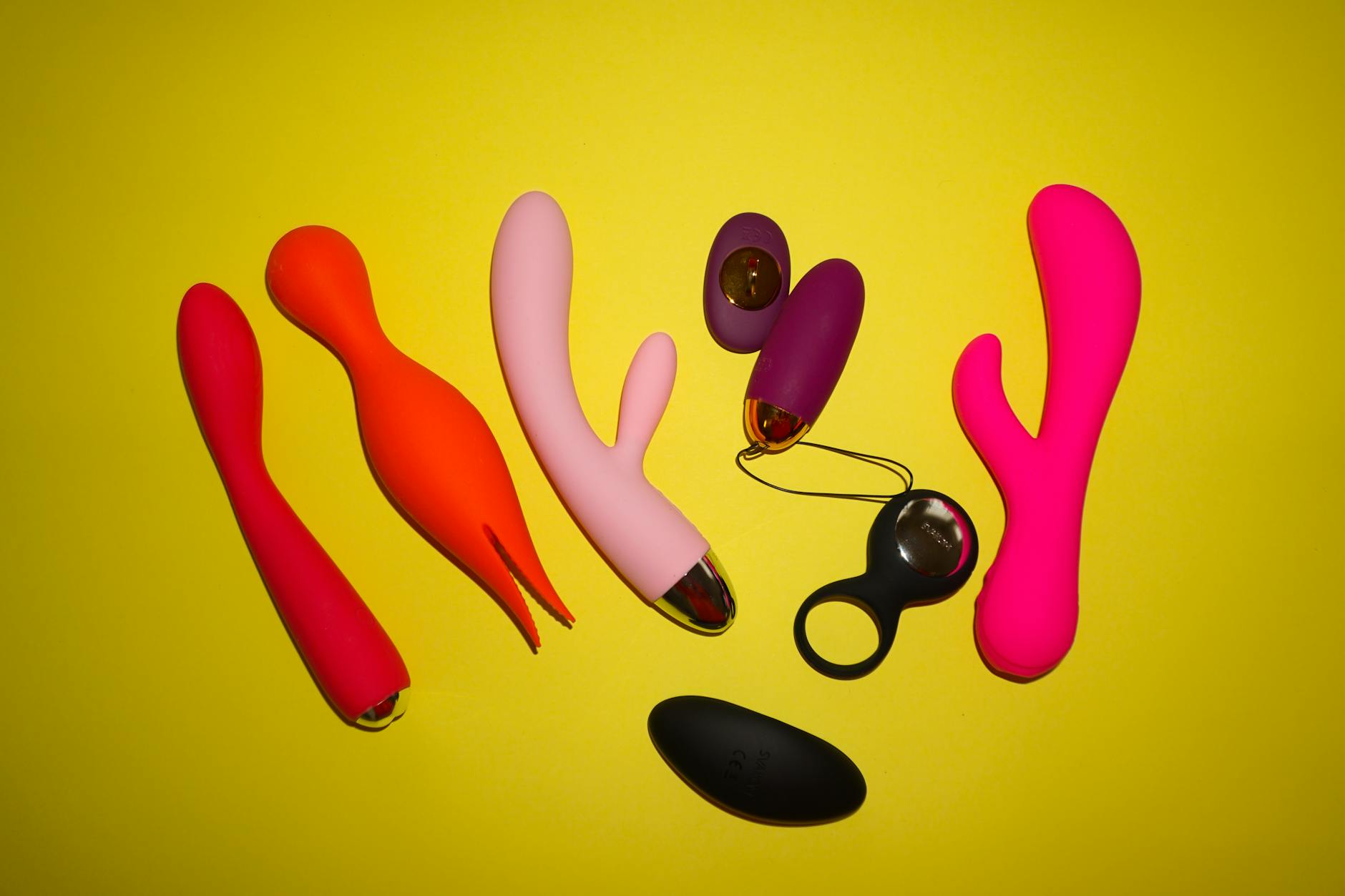
Photo by cottonbro studio on Pexels
When a Lemon vibrator actually helps
Once you understand the root, here's where toys make sense:
If the issue is performance anxiety or feeling like they're "not good enough." A vibrator removes the pressure to perform. It takes the focus off penetration or their body and puts it on sensation. The Lemon's suction technology is particularly good for this because it doesn't require the same kind of physical engagement as other toys. It's about receiving pleasure, not producing it.
If medication or hormones have changed their physical response. They still want intimacy but orgasm feels harder or further away. A vibrator with variable patterns (like the Lemon, which has multiple intensity levels) can help them rediscover what works now rather than chasing what worked before.
If shame around their body is the barrier. A toy focused on external pleasure lets them stay clothed or partially dressed. They can be in control of what gets exposed and when. That safety matters.
If they've been disconnected from their own body. Depression, trauma, stress, or just years of not prioritizing themselves can make pleasure feel foreign. Using a vibrator solo first, then together, can rebuild that connection without the pressure of being watched.
How to introduce it (without blowing up)
Timing matters. Do not introduce a vibrator during an argument, at the moment they've just said they're not interested, or as a surprise. Do it during a calm moment when you're both relaxed and clothed.
"I've been thinking about what we talked about with your desire. I'm not trying to fix you. But I want to explore some things that might help us both feel good again. Would you be open to trying something together?"
Show them the Lemon without pressure. Let them hold it. Tell them what you know about it: that it's designed for comfort, that you can control the intensity together, that they don't have to do anything they don't want to do.
If they say no, respect that. If they say maybe, suggest using it on yourself first while they watch. Low stakes. They see you enjoy it. Sometimes watching a partner experience pleasure is less threatening than being the target.
If they say yes, start slow. Patterns 1 or 2. No agenda beyond sensation. No pressure to orgasm or perform. Just feeling.
What won't happen just because you're using a toy
A vibrator won't fix the underlying issue. It won't restore emotional intimacy if the relationship is broken. It won't cure depression or medication side effects. It won't resurrect desire that's rooted in resentment or loss of attraction.
What toys do is create space for pleasure to exist alongside whatever else is true. If the real problem is unresolved hurt or disconnection, therapy helps more than any sexual product ever will. If the issue is medical, their doctor is the right person to consult.
The Lemon is a tool for couples who basically still want each other but need help bridging a gap in desire or sensation. It's not a solution for couples who need to rebuild trust, process resentment, or figure out if they still want to be together.
The part people skip that actually matters most
After you try something new together, talk about it. Not during. After. When you're both calm and separate.
What felt good? What felt weird? Did anything surprise them? Did anything feel unsafe? What would they want to try next? What's off the table?
This conversation is often more important than the toy itself. Because it creates space for your partner to be honest about their body, their pleasure, and what they actually want. That honesty is where real desire lives.
If low desire is rooted in disconnection or resentment, these conversations might reveal that. They might also reveal that your partner does want intimacy, just not in the way you've been approaching it. Maybe they want more affection without sex. Maybe they want more help around the house. Maybe they want to feel pursued differently. Maybe they want you to work on the relationship, not on the sex.
All of that is valuable information. And it only surfaces when you're willing to have the hard conversation first, and listen more than you talk.
One more thing
If your partner's low desire is recent and sudden, and they're experiencing other symptoms like fatigue, mood changes, or loss of interest in things they used to enjoy, check in about their mental health. Depression is common, treatable, and often invisible. So is hormonal change, thyroid issues, and other medical stuff. A conversation with their doctor might do more than anything I've written here.
Your role isn't to fix their desire. It's to be willing to understand what's underneath it, to work on your part of the relationship, and to explore together if they're ready. The Lemon can be part of that exploration. But it's never the whole thing.
FAQs
Can a vibrator actually increase desire in someone who's lost interest?
Not directly. Vibrators create physical sensation and pleasure, but desire is rooted in emotional safety, attraction, and connection. A toy can help once those things are already present. If desire is gone because of resentment, stress, or disconnection, addressing those issues comes first. A vibrator might be helpful after that work is done, but it can't replace it.
What if my partner thinks using a vibrator means I'm not satisfied with them?
This is a really common fear. The conversation matters here. Lead with "I want to explore pleasure together, not replace you. This is about us, not about what you're not doing." For some partners, watching you use a toy while they're involved feels less like replacement and more like collaboration. Start by introducing it as something you both get to experience, not something that substitutes for them.
Should I use a vibrator during penetration if they're not interested in it?
Only if they explicitly want to try it. Using a toy on your partner during sex can feel good, but it can also feel like pressure or criticism. External stimulation paired with penetration works well for some couples, but it's something to discuss and agree on beforehand, never a surprise move. Start with the conversation, not the toy.
My partner says toys make them feel insecure. What do I do?
Believe them, and don't push. The insecurity is real even if the logic isn't rational. Instead of pressuring them to try, ask what they actually need from you. Do they need reassurance about attraction? Do they need more one-on-one time? Do they need to feel desired in a way that doesn't involve toys? Sometimes the request for a vibrator is actually a request for something deeper. Meet your partner where their insecurity lives, not where you think they should be.
Is it normal for desire to disappear in a long-term relationship?
Fluctuating desire is normal. Completely absent desire, especially if it's sudden, usually points to something specific: stress, medication, depression, disconnection, or a medical issue. It's not a given that long-term couples stop having sex. But it does require intention and connection to keep that part of the relationship alive. That's different from it being "normal" or inevitable.
If my partner won't try a vibrator, does that mean they don't want to work on our sex life?
Not necessarily. Some people have genuine aversions to toys, and that's valid. Low desire doesn't always require sex toys to improve. Sometimes it requires more affection without expectation of sex, better communication, reducing stress, therapy, or just slowing down and reconnecting. A vibrator is one tool, not the only tool. Listen to what your partner is actually asking for, even if it's not what you expected.
The bottom line
Introducing a Lemon vibrator to a partner with low desire isn't about the toy. It's about creating space for pleasure and connection to exist again. But that space only works if you've already had the harder conversation about why desire disappeared. A vibrator is a conversation piece and a pleasure tool, not a magic fix for disconnection. Use it as part of a bigger effort to understand and reconnect with your partner. That's where the real work happens.
If you're struggling with desire in your relationship and want support navigating these conversations, we're here. Get in touch to talk through what's happening.