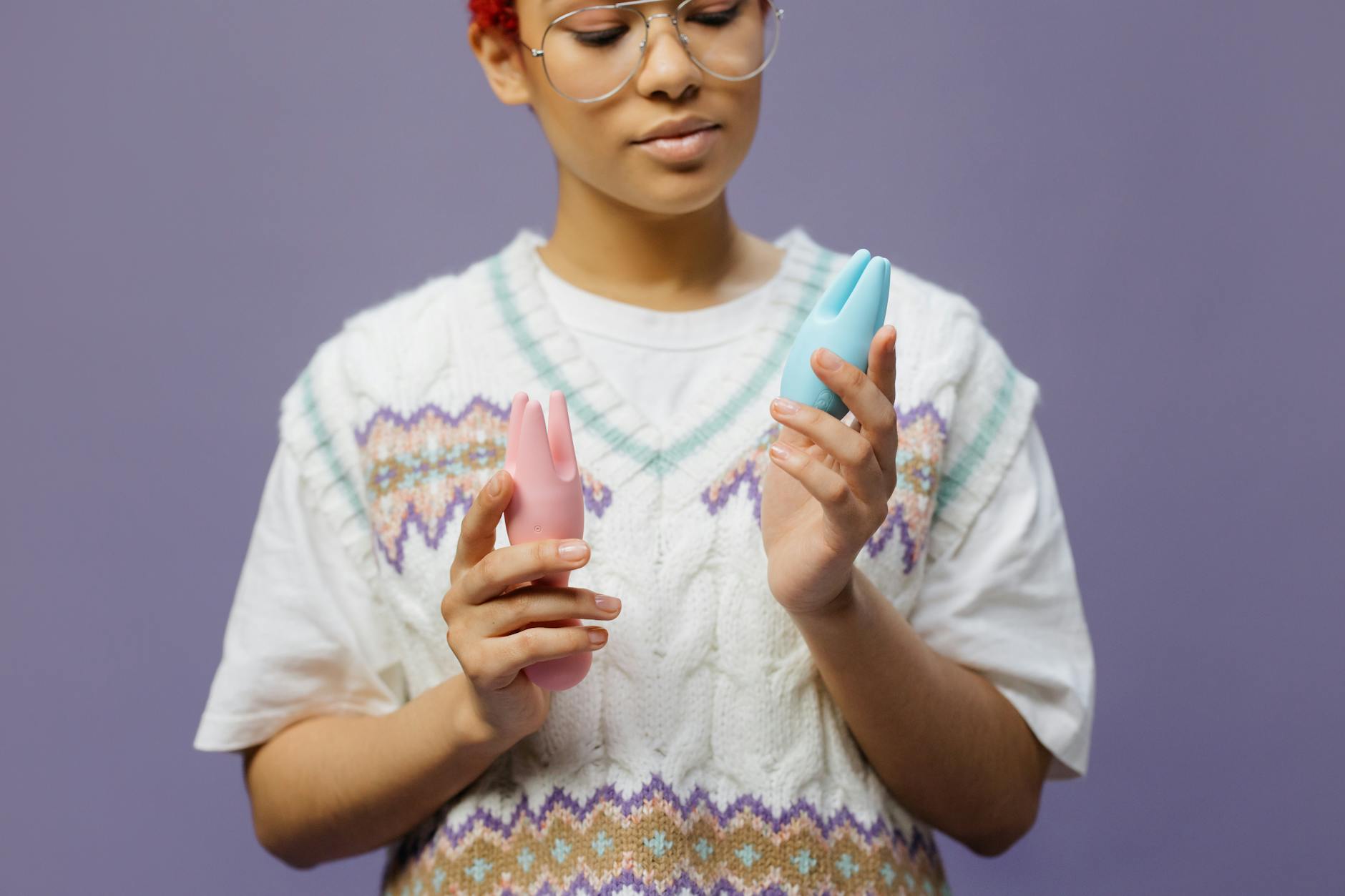
When trauma lives in the bedroom
Let's be honest: introducing any toy into a relationship where trauma is present is not the same conversation as with a partner who has no history. It requires more intention, more pause points, and way more permission at every single stage. That's not a burden. That's actually the foundation for something deeper happening.
Trauma changes how the nervous system reads touch, sensation, and safety. Your partner might love you completely and still have their body flinch at something unexpected. That's not rejection of you or of pleasure. That's their system protecting them. Understanding that difference changes everything about how you approach a lemon clitoral vibrator together.
Why toys can actually help (and why they need setup)
Here's the counterintuitive part: for some people with trauma, a Lemon vibrator creates more safety, not less. Here's why. A toy is predictable. It has no agenda. It won't change its mind, make demands, or respond unpredictably to your partner's body. It has buttons. Control lives in the hands using it. That's revolutionary for people whose bodies learned that control was taken from them.
But that only works if you build the introduction intentionally.
The conversation before anything physical happens
Start here. Not in the bedroom. Not during foreplay. Over tea, on the couch, at a time when you're both grounded.
Here's what to say: "I've been thinking about ways we can explore pleasure together that feel safe for you. I'm interested in trying a clitoral vibrator. I want to hear what comes up for you about that. No pressure, no expectation. Just honest."
Then stop talking. Let them respond. Their first instinct might be fear, curiosity, hesitation, or enthusiasm. All of those are real data. Don't argue with any of them.
Listen for what's underneath. "I'm worried you'll like it better than me" is different from "I'm not ready for anything inside my body yet." One is about relational security. One is about somatic safety. Your response changes based on which one it is.
Building consent in layers
Trauma-informed consent is not a single yes. It's a series of micro-consents that can be withdrawn at any moment, no explanation needed.
Start with the object itself. "Can I show you the vibrator? You don't have to touch it. Just seeing it." Some partners need to hold it, inspect it, understand it's made of silicone, see the buttons. That familiarity reduces threat.
Next layer: "Would it feel okay if I used it on myself first, so you can see what it does and hear what it sounds like?" This removes your partner from being the test subject. They're the observer. That's less vulnerable.
Only then: "If you wanted to try it together, we'd go at your pace completely. You'd control how fast, how intense, when we stop. I'm not deciding for you."
Each of these is a separate conversation. Don't rush them. Rushing is how bodies learn they don't get to say no.
The first actual session (and why slow is not compromise)
Pick a time when you're both rested, fed, and neither of you is running on stress or exhaustion. Trauma responses fire up fastest when the nervous system is already taxed.
Start clothed. Use the Lemon vibrator on the outside of clothing first. This sounds overly cautious. It's not. It lets their body learn the sensation without the vulnerability of nakedness. Many partners are shocked by how intense even this feels. Your job is to notice. "How does that feel?" "Want me to use a different pattern?" "Should we stop?"
If clothing feels good, you might move to skin contact on non-sexual areas first. Inner forearm. Back of neck. Somewhere that's not loaded with old injury.
Only when your partner asks to move to genital contact do you move there. And even then, you're starting with the gentlest pattern, often on the outside of the vulva, nowhere near the opening. You're building sensation tolerance, not chasing orgasm.
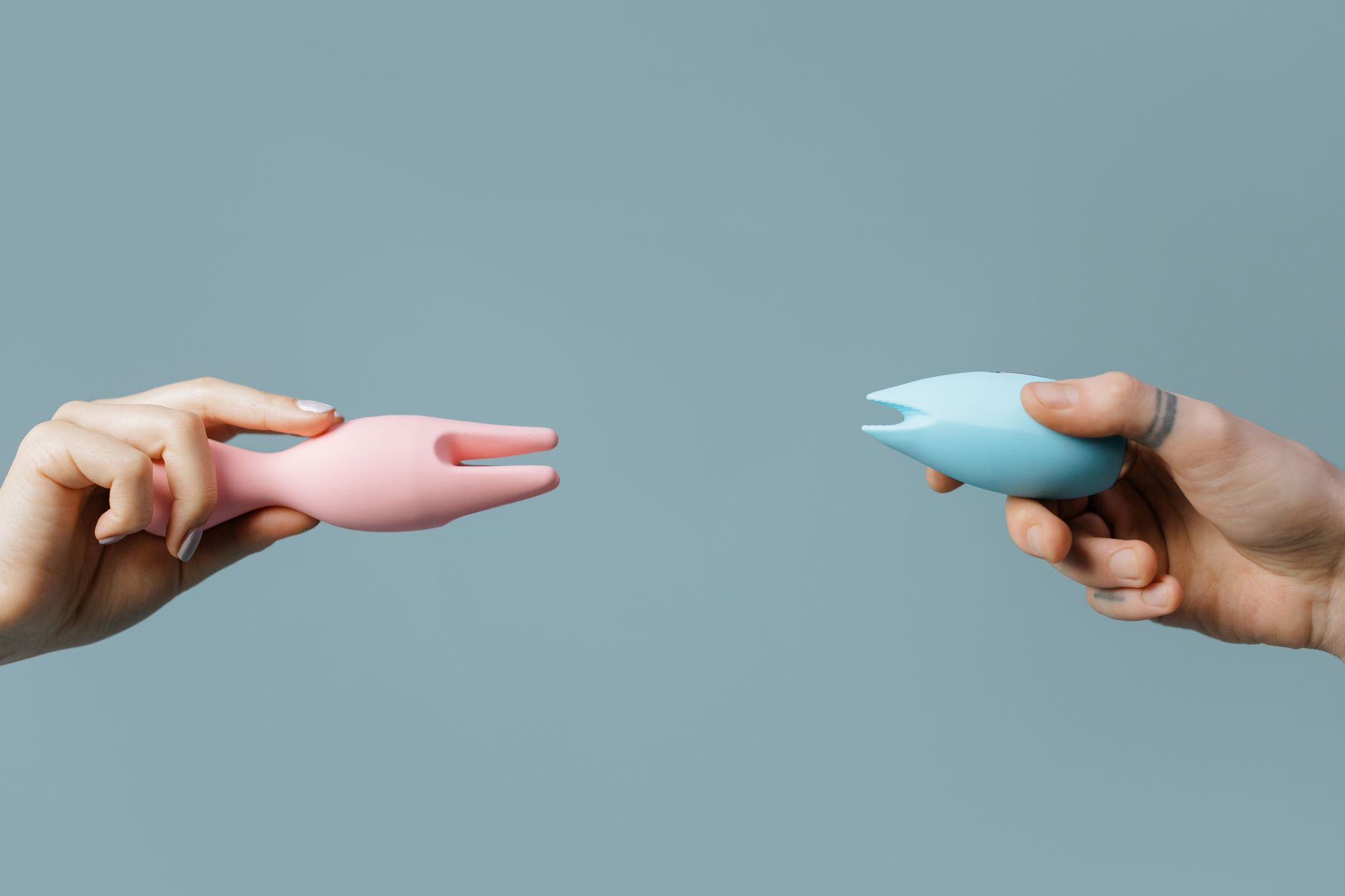
Photo by cottonbro studio on Pexels
Most important: keep narrating what you're doing. "I'm going to turn it on now." "I'm moving it slightly to the left." "I'm going to pause for a second." Your partner's brain needs to feel like you're predictable. Narration creates predictability.
When your partner freezes or goes quiet
This will probably happen. Freezing is a trauma response, not consent. The nervous system is in protective mode.
Stop immediately. Don't question them. Don't ask "are you okay?" because they probably can't answer. Just stop, set the vibrator down, and sit quietly for a moment. You can say, "I'm right here. Take whatever time you need."
After a minute, you might ask, "What happened?" But often they won't have an answer. Sometimes the body remembers something the mind doesn't. That's fine. It means you pause for now.
This is not failure. This is the system working exactly as designed. You caught a freeze response before it became shame or dissociation. That's healing work happening in real time.
Rebuilding trust between sessions
Your partner might not be interested in trying again for weeks. Maybe months. That's information about what their system needs. Don't interpret it as rejection of you.
In the meantime, rebuild safety through non-sexual touch. Hand holding. Shoulder massage. Sleeping skin-to-skin. Sex without the vibrator, moving at their pace. These are not consolation prizes. These are the actual foundation.
When they bring up the vibrator again, they're telling you their nervous system feels safer. That's permission to explore again. Maybe further. Maybe at the same pace as before. Listen to what their body is asking for.
Common fears (and what to actually say)
"If I like the toy, they'll think I don't want them anymore." Address this head-on. "The vibrator is not replacing anything. It's adding something. Sometimes partnered pleasure and solo pleasure use different tools. That's normal and fine." Then mean it. Don't make it weird if they come faster with the Lemon than with you. That's just physiology. Celebrate it.
"What if I dissociate during sex with the toy?" Plan for it. Agree on a simple signal beforehand (tap twice on your arm, say the word "pause") that means stop everything immediately, no questions asked. Practice the signal when you're not being sexual. Let them use it with you while you're just talking. This is not overthinking. This is caring for their nervous system.
"I'm worried I'll have a flashback." That's possible. It's also possible their body might surprise them with pleasure instead. You can't prevent every hard moment, but you can agree to handle it together. "If that happens, we pause. You don't have to explain. We move at whatever pace feels safe." That's all they need to hear.
When professional support matters
If your partner has significant trauma history, especially sexual trauma, consider working with a trauma-informed sex therapist before introducing any new element. I say this not because it's always necessary, but because some partners genuinely benefit from having a professional present for the first conversation.
A good therapist won't be in the bedroom with you. They'll help your partner understand their own responses, work through specific fears, and create a map for moving forward. Some couples find one to two sessions is enough. Others need more. Neither is a sign you're doing something wrong.
The beauty of going slow
Intimacy after trauma is not about getting back to what you had before. It's about building something that feels safe in this moment. When you introduce a lemon clitoral vibrator with intention, you're not just adding sensation. You're practicing consent together. You're learning to speak about what's needed. You're rebuilding trust in your own body and in each other.
That's not boring. That's the opposite. That's the kind of intimacy that actually heals.
People also ask
Can someone with PTSD use a vibrator?
Yes, if the introduction is trauma-informed. That means slow, consent-based, with control in your partner's hands. Many people with PTSD find vibrators helpful because they're controllable and predictable. The key is never surprising the body and always stopping immediately if your partner asks you to. Check in frequently. Consent is ongoing, not one-time.
What if my partner has a flashback during sex with a vibrator?
Stop immediately when you notice any sign of dissociation or distress. Don't ask a lot of questions. Just pause, stay present, and let them regulate their nervous system. After a few minutes, you might ask if they want to talk about it, but often they just need time and safety. Don't make this moment shameful. This is their nervous system protecting them, and that's okay.
How do I know if my partner is ready to try a clitoral vibrator?
They'll bring it up, or they'll say yes when you ask directly. Readiness looks like curiosity, not fear masked as compliance. If they're saying yes to make you happy, that's not readiness. If they're genuinely interested or at least open, that's different. The difference is in the tone and the body language. You already know your partner. Trust what you see.
Should we use lube with a lemon vibrator if my partner has trauma?
Yes, always. Lube reduces friction and makes everything feel less intense, which gives your partner's nervous system a break. Use a water-based option that won't damage the silicone. It also signals care and intention, which matters for safety.
What if my partner never wants to try a vibrator?
Then you respect that. Some people's nervous systems simply won't feel safe with that input, and that's legitimate. Your job is to find other ways to deepen intimacy and pleasure that feel good for both of you. A vibrator is one tool. It's not the only one. You might find that intimacy without toys becomes more connected, which is its own gift.
How can I support my partner's healing while exploring sexuality together?
Show up consistently. Keep your word. Follow through on consent agreements. Don't push or surprise. Celebrate their body and their pleasure without agenda. Read books about trauma if you want to understand more. Consider therapy for yourself, not because something is wrong with you, but because supporting a partner with trauma is work that deserves support. Your willingness to learn changes everything for them.
If you're navigating this terrain with your partner, know that it's not easy and it matters. The work you're doing right now is building something real.