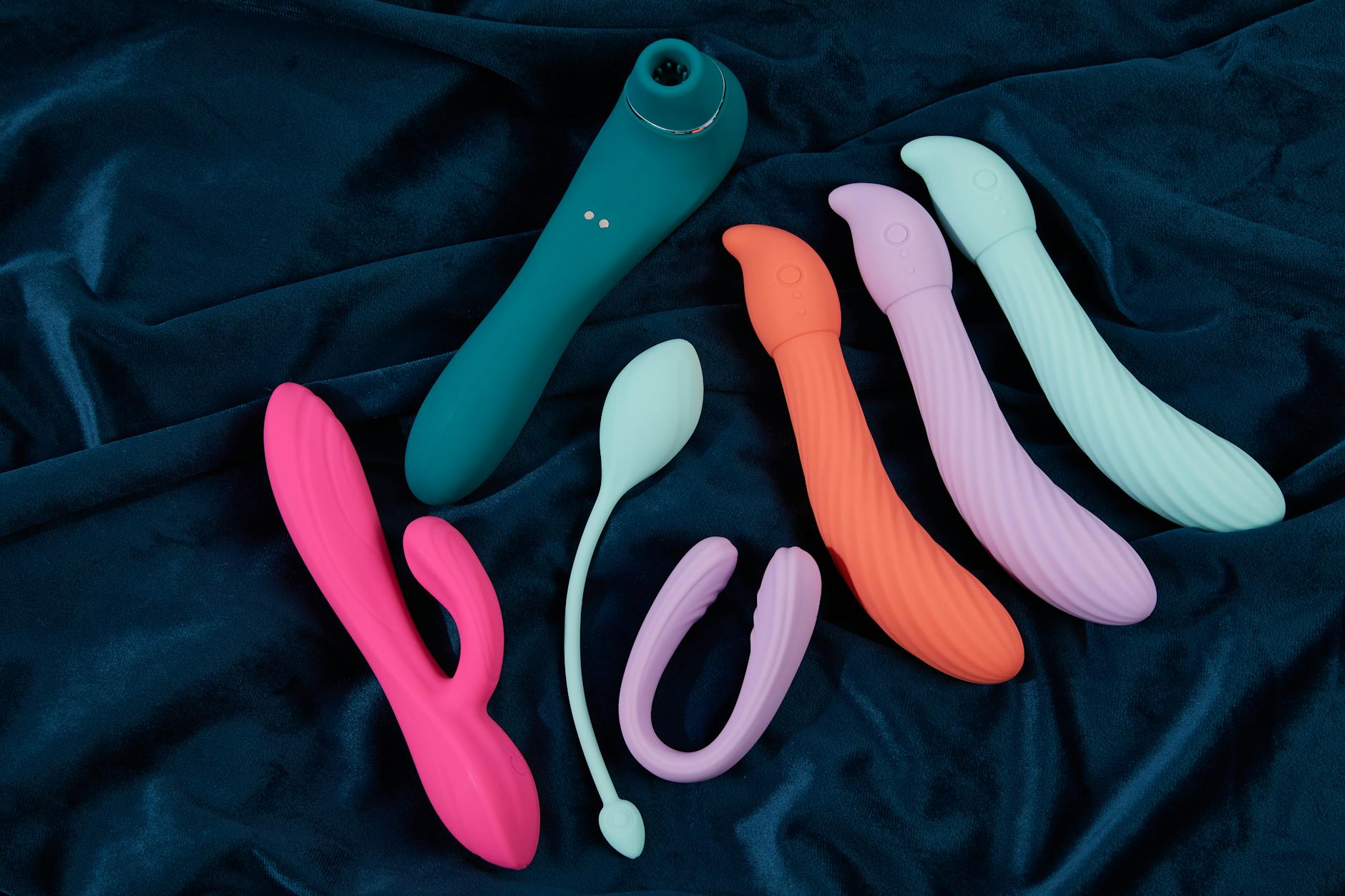
Why Lemon Clitoral Vibrators Work Better for Sensitive Skin
Let's be real: if you've had itching, burning, or irritation after using a vibrator, you're not alone. And you're probably not reacting to vibration itself. You're reacting to what the toy is made from.
I work with a lot of people who've written off toys entirely after a bad experience. The frustrating part is that the issue wasn't them or their body. It was the material. Upgrading to a body-safe toy like a lemon clitoral vibrator often solves the problem entirely.
What makes some toy materials irritating
The adult toy industry isn't as regulated as pharmaceuticals or medical devices. That means some manufacturers use cheap porous plastics, rubberized materials, or silicones that aren't truly body-safe. These materials can leach chemicals, harbor bacteria in tiny surface cracks, or cause direct allergic reactions.
Common culprits include phthalates (softening chemicals that can cause irritation), low-grade TPE (thermoplastic elastomer), jelly rubber, and PVC. If you've bought a toy from a gas station, a novelty shop, or a sketchy online retailer, there's a decent chance it's made from one of these.
Your vulva has a thin, permeable mucous membrane. It absorbs things quickly. Introduce an irritating material, and you get inflammation within hours.
Why medical-grade silicone is the gold standard
Medical-grade silicone is non-porous, hypoallergenic, and inert. It doesn't leach. It doesn't break down in response to body heat or fluids. It's the same material used in implants, catheters, and other devices that live inside the body long-term.
When you run a lemon vibrator or other quality clitoral vibrator made from medical-grade silicone under warm water, you're not washing away coating or finish. You're just cleaning the surface. The material itself is stable.
This matters especially if you have:
- Vulvodynia or chronic vulvar pain
- Eczema or psoriasis affecting the vulva
- A history of yeast infections or bacterial vaginosis
- Contact dermatitis or other reactive skin conditions
- Hormone-related skin sensitivity
For these folks, material choice isn't a luxury. It's the difference between pleasure and pain.
The silicone versus glass debate
Glass toys are also body-safe and non-porous. They're temperature-responsive, which some people love. But they're heavy, fragile, and require careful handling. If you drop a glass vibrator, it breaks. If you're looking for something you can toss in a bag or use spontaneously, glass isn't practical.
Silicone gives you the same safety profile with way more versatility. It's lightweight, flexible, durable, and forgiving if you fumble it. For sensitive skin, silicone wins on both safety and usability.
How to test if you're reacting to material
If you've had an irritation in the past, here's how to know if it was the toy or something else:
Buy a toy made from verified medical-grade silicone. Use it for one session. Wait 24 hours and check for redness, itching, or burning. If nothing happens, your skin tolerated it. If irritation appears again, you've got your answer: your body prefers silicone toys.
One session isn't enough to rule out latex allergy or a specific additive sensitivity. But most people see a dramatic difference when they switch to quality materials.
Body-safe isn't just about material
Beyond silicone versus jelly rubber, a truly body-safe toy also has smooth seams, no textured coatings that can trap bacteria, and no metal components that contact sensitive tissue. Look for:
- A completely smooth finish with no rough edges or ridges
- Medical-grade silicone all the way (not silicone coating over a cheaper base)
- A seamless design if possible, or seams that are polished flush
- Clear labeling from a manufacturer you can verify
Hello Nancy toys are made with this standard in mind. When you pick up a lemon clitoral vibrator or any of our toys, you're buying silicone throughout, not silicone veneer.
Storage and hygiene matter too
Even a body-safe toy can cause irritation if it's not stored or cleaned properly. Silicone isn't invincible. If you store a vibrator in a humid bathroom cabinet without a dust cover, it can pick up lint and bacteria. If you use the same toy with multiple partners without cleaning between sessions, you're risking cross-contamination.
Wash your toy with warm water and mild soap before and after every use. Store it in a clean drawstring bag or closed container. If you use it with a partner, clean it again between partners. This hygiene routine matters way more than you'd think for sensitive skin.
Lubrication makes a difference
Here's something a lot of people miss: friction and irritation aren't the same thing. Even with a body-safe toy, if you use zero lubrication on sensitive skin, you can still get irritation from mechanical friction.
Use water-based lube with silicone toys. (Never silicone lube with silicone toys. The chemistry breaks down the toy over time.) A little extra lubrication cuts down on friction, reduces irritation risk, and honestly just feels better. It's not about being "dry." It's about comfort.
For people with vulvodynia or severe reactive skin, adequate lubrication is non-negotiable. Start with more than you think you need.
When irritation happens despite precautions
If you've switched to a body-safe toy, practiced good hygiene, used lubrication, and irritation still appears, a few things are worth considering:
Timing and hormones. Skin sensitivity fluctuates with your cycle. If you notice irritation only during a certain week, it might be hormonal, not material-related.
Thrush or infection. Irritation that itches intensely or comes with discharge might be yeast or bacterial overgrowth, not toy allergy. See a provider.
Pressure sensitivity. Some people's skin gets irritated by prolonged pressure, even from smooth materials. If you notice irritation only after long sessions, try shorter bursts with breaks.
True silicone allergy. Actual silicone allergy is rare but real. If you react to confirmed medical-grade silicone toys consistently, glass or stainless steel might be your answer.
The bottom line
Your pleasure shouldn't come with a rash. If you've had a bad experience with toys, the problem was almost certainly the material, not your body. Switching to a medical-grade silicone toy like a quality lemon clitoral vibrator often fixes the issue entirely.
Body-safe matters. Material matters. And you deserve toys that feel as good as they should.
People also ask
What is the safest material for intimate toys?
Medical-grade silicone, borosilicate glass, and stainless steel are the three safest materials. All three are non-porous, hypoallergenic, and inert. Silicone is the most versatile and user-friendly. Glass is fragile but temperature-responsive. Stainless steel is durable and firm. Avoid porous materials like jelly rubber, PVC, and low-grade TPE entirely.
Can a silicone vibrator cause allergic reactions?
True silicone allergy is rare, but it exists. Most "silicone reactions" are actually reactions to fillers, colorants, or manufacturing residue in low-quality silicone. Medical-grade silicone from a reputable manufacturer is hypoallergenic for the vast majority of people. If you react to confirmed medical-grade silicone toys, glass or stainless steel is your alternative.
Is it safe to use lemon clitoral vibrators if I have sensitive skin?
Yes, if they're made from medical-grade silicone. The material is the point. A lemon vibrator manufactured to body-safe standards is specifically designed for sensitive skin because silicone doesn't leach chemicals or harbor bacteria. Just pair it with water-based lube and good hygiene practices.
How often should I clean a silicone vibrator?
Wash it with warm water and mild soap before and after every use. If you use it with a partner, clean it between partners too. Store it in a clean, dry bag or container. This routine keeps bacteria and lint from accumulating and reduces irritation risk significantly.
Why does my vibrator make me itch?
Itching usually means the toy material is porous or coated with an irritant. Porous materials trap bacteria and leach chemicals. Non-porous medical-grade silicone doesn't do either. If you're itching after a toy, try switching to a quality silicone vibrator. The difference is often dramatic within one session.
Can I use any lube with a lemon vibrator?
No. Use only water-based lube with silicone toys. Silicone lube breaks down silicone material over time. Oil-based lubes can trap bacteria. Water-based is the safest, longest-lasting option and works beautifully with any quality silicone toy. Check the bottle to confirm it's water-based before you buy.