Clitoral numbness is more common than you think
Let's be real. You're not broken, and you're not alone. Clitoral desensitization shows up for tons of reasons: antidepressants, hormonal shifts, years of using the same toy at the same intensity, stress, or just your body asking for something different than what's been working.
The problem is, most people's first instinct is to reach for a more intense traditional vibrator. Thinking faster vibration equals more sensation. It doesn't always work that way.
Here's the thing: when you've been using standard vibrating toys for years, or when your nervous system is already overloaded, adding more vibration is like turning up the volume on a song you can't hear anymore. The speaker works fine. Your ears just aren't processing it. You need a fundamentally different signal.
How traditional vibrators actually work
Traditional vibrators use mechanical oscillation. A motor vibrates back and forth at a frequency measured in hertz. Your clitoris responds by detecting those vibrations through nerve endings in the tissue. Fast enough vibration creates friction and heat, which most people experience as pleasure.
But here's what happens over time. Your nerve receptors habituate. They get used to the same signal. It's the same reason a noise you find annoying at first becomes invisible background music after a week. Your nervous system learns to ignore what doesn't change.
With traditional vibrators, you're stuck escalating. Faster speed, more intensity, different patterns. Eventually you hit a wall where nothing feels like much of anything.
Why suction changes the game
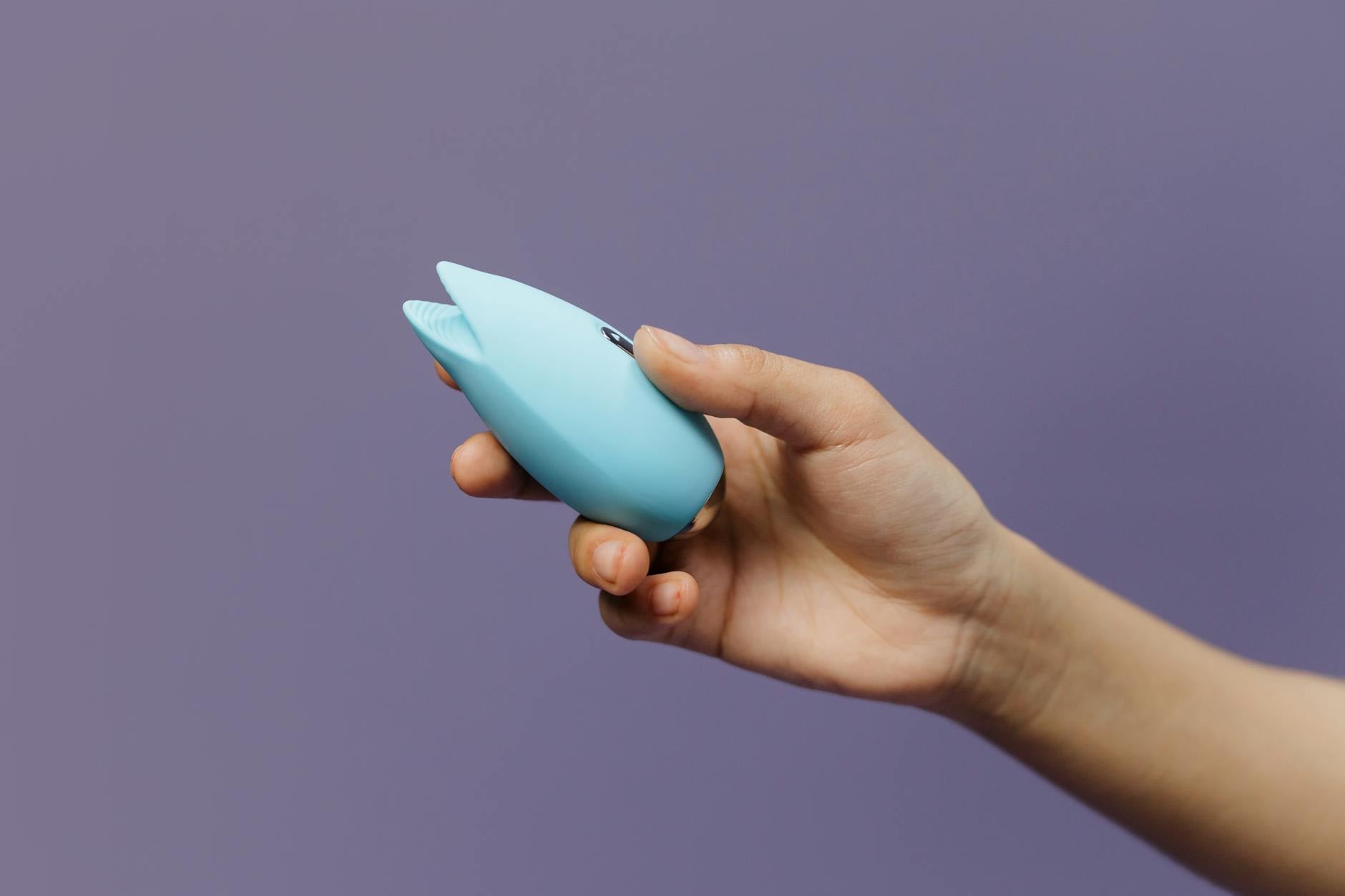
Lemon vibrators and other suction-based clitoral toys work on an entirely different principle. Instead of vibration, they create gentle pressure changes around the clitoris. It's rhythmic suction, not friction.
This activates a completely different set of nerve pathways. You've got mechanoreceptors that detect vibration. You've got others that detect pressure, stretch, and movement. Suction wakes up the pressure receptors, which most people haven't been stimulating through years of traditional vibrator use.

Photo by cottonbro studio on Pexels
The sensation isn't sharper or faster. It's different. And different is exactly what your nervous system needs to wake back up. You're not pushing harder on the same nerve pathway. You're opening a new door entirely.
The sensory reset your clitoris actually needs
There's actual neuroscience behind this. Your sensory neurons are better at detecting changes in stimulation than they are at maintaining response to constant input. It's called sensory adaptation, and it's not a flaw. It's how your nervous system preserves the ability to detect what matters.
When you switch from vibration to suction, you're giving your nervous system a completely novel stimulus. For most people, that's enough to reset the adaptation cycle and restore sensitivity.
I've seen this play out countless times with people who've been struggling with traditional vibrators. They try a lemon vibrator or similar suction toy and suddenly sensation comes back. Not because they're broken or getting old. But because they needed a signal their body hadn't learned to tune out yet.
This is also why using suction toys intermittently works better than daily use of the same traditional vibrator. The novelty maintains nerve response. Your receptors stay interested.
What makes lemon vibrators specifically effective
Lemon clitoral vibrators combine gentle suction with optional vibration layered underneath. That pairing matters. You get the primary sensation from suction, which activates those pressure-sensitive nerve endings. The vibration sits underneath as a secondary element, enriching the experience without being the main event.
The silicone shape also matters. The wider head creates a seal around the clitoris without intense compression. That means stimulation without soreness or numbness from pressure.
Most lemon vibrators also let you control intensity starting from a genuinely gentle setting. That's crucial when you're working with clitoral numbness. A traditional vibrator's lowest setting is often still too much. A lemon sucker can start so soft it barely registers, then gradually build as sensation returns.
How to actually use suction toys when you're numb
Three things to know if you're coming to lemon vibrators from clitoral desensitization.
Start gentler than you think you need. When sensation is muted, your instinct is to crank the intensity. Don't. The whole point is to wake up nerve pathways that have gone quiet. Gentle, consistent suction at setting one or two for 10-15 minutes does more than aggressive suction for 5 minutes.
Give it time. Sensitivity returns gradually, not dramatically. You might need 3-5 sessions before you notice real difference. Some people feel it immediately. Most don't. That's normal.
Use it alone first. When you're retraining sensation, partner stimulation or penetration at the same time creates too much competing input. Your nervous system gets confused. Solo use lets you focus on what the suction is actually doing. Once sensation comes back, layer in whatever else feels good.
When traditional vibrators make numbness worse
Here's something nobody talks about. Constant high-intensity vibration can actually increase clitoral numbness over time. You're basically training your nerve receptors to stop responding. It's like wearing the same perfume every day until you can't smell it anymore. Except the more intensely you apply it, the faster your nose stops working.
If you've been using an intense traditional vibrator for months or years and sensation keeps dropping, switching to suction isn't just helpful. It's necessary.
Some people need both. They might use a suction toy most days, then occasionally bring in traditional vibration once sensitivity is restored. But the reverse order rarely works. Starting with suction and adding vibration is usually more effective than the other way around.
The hormonal piece nobody mentions
Clitoral numbness tied to hormonal changes, antidepressants, or menopause has a physical component. Reduced estrogen means less blood flow to genital tissue. Less blood flow means less sensation. A traditional vibrator can't fix blood flow. It just gets louder at the same broken connection.
Suction actually increases blood flow. The gentle pressure changes bring blood into the tissue, which restores the physical infrastructure for sensation. That's why people often report that suction toys feel better during perimenopause or while on SSRIs. It's not about harder stimulation. It's about recovering the basic circulatory foundation that numbness interrupts.
If hormones are involved, combine suction with patience and possibly a conversation with your doctor. But the lemon vibrator is doing actual physical work that vibration alone can't replicate.
FAQ: Clitoral numbness and why suction works
Can you permanently restore clitoral sensitivity with a suction toy?
Depends on the cause. If numbness comes from desensitization to traditional vibrators, yes. Switching to suction usually restores sensitivity within days or weeks. If numbness is tied to medication, hormones, or nerve damage, suction helps but might not completely reverse it. You'd want to work with your doctor on the underlying issue too. Suction makes what sensitivity you do have more accessible, which matters even if total sensation doesn't return to baseline.
Does using a lemon vibrator feel weird if I've only ever used traditional vibrators?
Yes, and that's good. It should feel different. You'll notice the pressure more than the buzzing. Some people find it takes a session or two to understand what their body is supposed to be feeling. By the third time, the sensation usually clicks. Give it at least three tries before deciding it's not for you.
Can I use a lemon vibrator if my clitoris is sensitive to the point of pain?
Start with the absolute lowest setting, no suction, no vibration, just the gentlest pulse. Some days your clitoris might be too reactive. That's okay. The presence of intense sensitivity (even if it's uncomfortable) is different from numbness. If pain is the issue rather than numbness, you might need to address that separately. A conversation with your gynecologist helps clarify whether it's pain, numbness, or a mix.
How often should I use a suction toy to regain sensitivity?
Every other day is a good rhythm when you're retraining sensation. You want enough frequency that your nervous system stays engaged, but enough recovery time that you're not creating new adaptation. Some people find daily use works fine. Others need two or three days in between to feel a real difference. Experiment and notice what actually restores sensation for you, not what sounds right in theory.
If a lemon vibrator works for my numbness, should I keep using it forever?
Not necessarily. Some people reach a point where sensitivity returns enough that they can enjoy traditional vibrators again. Others find they just prefer suction long-term. There's no wrong answer. What matters is that your pleasure stays the priority, and you're using what actually works for your body right now, not what worked five years ago or what you think you're supposed to want.
Can numbness from antidepressants be fixed with a suction toy alone?
Partially. SSRIs and other medications affect nerve response at a deeper level than desensitization from vibration use. A suction toy helps access whatever sensation is still available. But numbness from medication often needs to be addressed by adjusting dosage, switching medications, or taking additional medication that offsets that side effect. Talk to your prescriber. A suction toy is a helpful piece of the solution, not the whole solution.
Here's what matters most
Clitoral numbness isn't something you caused or something you deserve. It's a body signal that something needs to change. Whether that's your toy, your routine, your medication, or your stress levels, the lemon vibrators and similar suction-based clitoral toys offer something different than what you've been trying.
That difference is often exactly what brings sensation back. Not because you're defective. But because your nervous system is smart enough to adapt to the same signal, and creative enough to wake back up when you give it something new.
Ready to try a different approach? Reach out to chat through what might work for your specific situation. You don't have to figure this out alone.