Let's talk about what just happened
Your partner just said something you didn't expect: "I want to try toys." Maybe they brought it up casually over coffee. Maybe they've been sitting on this thought for months. Either way, if they used to be the one who said no to clitoral vibrators or other adult toys, this shift can feel confusing. It can also feel like an opportunity. Understanding why they've changed their mind matters way more than understanding the toy itself.
I've worked with countless couples navigating this exact moment. The most common reaction from the other partner is some version of relief mixed with self-doubt. Relief because maybe there's been friction around this. Self-doubt because now you're wondering: did something go wrong? Am I not enough? The answer to that second question is always no. Preference shifts are normal, and they usually signal something positive.
Why partners change their minds about toys
There are usually three patterns I see.
First: curiosity driven by exposure. They saw something online, heard a friend mention a lemon vibrator or lem vibrator, or read something that made toys feel less mysterious and more like a normal option. The taboo lifted. That's honestly good news because it means they're open to trying new things with you.
Second: a quiet recognition that their body or yours needs something different than what you're currently doing. Maybe arousal is taking longer. Maybe they want clitoral stimulation alongside penetration. Maybe they've noticed you're quieter or less present than you used to be. They might not have articulated any of this clearly, but the impulse to reach for a tool is their way of saying, "Let's try something different."
Third: a shift in how they see intimacy itself. Early in relationships, we often think toys are a replacement or a threat. With time and trust, most people start to see them as exactly what they are: an additional sensation in a bigger landscape of pleasure. That reframe takes time, but when it happens, it usually sticks.
What you need to say (and ask) before you buy anything
Don't go straight to browsing lemon sexual toys or clitoral vibrators. Have a conversation first. Here's what that conversation needs to cover.
"I'm really glad you brought this up. Before we pick anything out, can you tell me what's drawing you to this now?" Listen for the story, not just the logistics. Are they bored? Stressed? Hopeful about trying something new? Are they looking for clitoral vibrators specifically, or are they open to exploring?
Then ask: "What would feel right for you? Do you want to use this together, or is there a part of you that wants solo time with toys too?" Their answer tells you whether this is about strengthening what you already do together or about them reclaiming their own body. Both are valid. Both need different conversations.
Finally: "What would make this feel comfortable for you?" Some people want to research together. Some want you to just pick something out and surprise them. Some need to ease in with something small. You won't know unless you ask.
The practical part: choosing the right tool
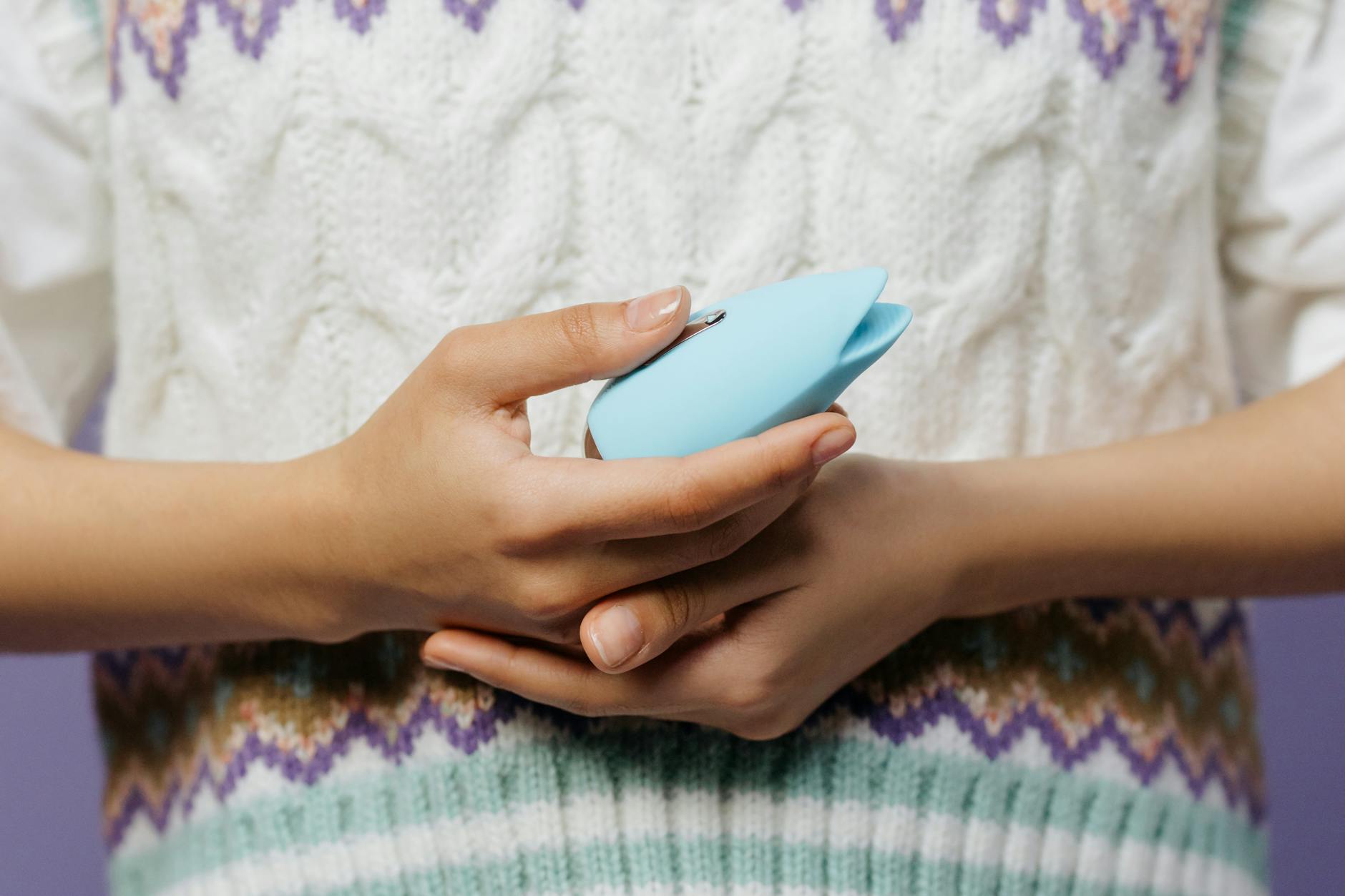
If they're interested in clitoral vibrators specifically, a lemon vibrator or lem vibrator is a solid starting point. They're designed to stimulate without requiring specific technique, which lowers the pressure on both of you. Air-suction toys like these work through gentle pressure and suction patterns rather than traditional vibration, which feels distinctly different and is why many people find them revelatory on a second or third experience with toys.
If you're starting completely fresh with toys and your partner is nervous, smaller is usually smarter. You can always graduate to something with more range later. The goal right now isn't maximum pleasure. The goal is comfort and curiosity.
How to introduce it without pressure (the actual mechanics)
First time using a toy together, forget the usual script. Don't position it as a performance or a solution to a problem. Position it as exploration.
Set a time when you're both unhurried. Not at 11 p.m. when you're both exhausted. Make sure the toy is clean, charged (if it needs charging), and you have lube nearby. Water-based lube is fine for silicone toys, which most clitoral vibrators are.
Start with lower settings. If it's a lemon vibrator with patterns, try pattern 1 or 2 first. Higher intensity feels overwhelming when you don't know what to expect. You can always turn it up.
Here's the thing that changes everything: use it during foreplay, not as a replacement for your hands or mouth. Let your partner feel the toy in addition to your touch, not instead of it. This does two things. It keeps you connected to the experience rather than handing off all responsibility to a device. And it gives your partner permission to enjoy the toy without feeling like they're cheating on you or like something is wrong with you.
If it doesn't work the first time (spoiler: it often doesn't)
I'd say maybe 40% of couples have a clunky first experience with toys. Someone feels self-conscious. The moment gets interrupted. The angle is weird. The intensity wasn't right. None of that means you made the wrong choice.
First, don't panic or overcorrect. Don't immediately assume your partner secretly wants a different toy or that they've changed their mind. Ask them what felt off. If it was just awkwardness, that usually evaporates with attempt number two. Familiarity with toys is like familiarity with anything: it takes repetition.
Second, separate the toy from the sex. Maybe next time, just use the lemon clitoral vibrator during oral sex. Maybe they use it while you're inside them. Maybe they use it solo while you're there watching and helping however feels right. Context changes everything about how something feels.
Third, check in on your own stuff. Are you actually comfortable with this? Because if you're hedging or resentful, your partner will feel it. This only works if you genuinely want to be there.
The mindset piece (honestly the most important part)
Your partner asking for toys is not a referendum on you. It's not a measurement of your adequacy. I see people misread this constantly, and it's such a waste because the real story is much nicer.
What's usually happening is this: your partner trusts you enough to ask for what they want. They feel safe enough to acknowledge that their body or your dynamic could shift. They believe you won't punish them for having preferences. That's actually the foundation of a pretty healthy relationship.
The couples who struggle most with toys aren't the ones adding clitoral vibrators to their routine. They're the ones who treat toys like a threat instead of a tool. If you can move past that frame and into the "let's figure this out together" frame, you're in a completely different ballgame.
Most important: this is not a one-time experiment. Once your partner has felt the specific sensation of a lemon vibrator or other clitoral vibrator, they probably won't unsee it. That means toys are now part of your sexual vocabulary. That doesn't mean you use them every time. It just means they're available, and you both know it.
When communication breaks down (and it might)
Sometimes the conversation doesn't go smoothly. Maybe your partner brought it up but didn't articulate it well. Maybe you felt defensive and shut it down. Maybe you said yes but you're actually not comfortable. That's fixable, but it requires honesty.
If you're uncomfortable, say so. Not "I don't know how I feel about this" but "I feel worried that lemon sexual toys mean I'm not enough," or "I'm nervous about what this changes," or whatever the real thing is. Understanding your pleasure cycle matters here too. Sometimes our resistance to toys is actually about not understanding our own arousal.
If you said yes and meant it, but the execution feels awkward, pause and recalibrate. This is not a test you can fail. It's a conversation you're having over time.
The bigger picture: what this means for your relationship
Couples who can navigate something like introducing a lemon vibrator or lem vibrator are couples who can navigate bigger stuff. You have to communicate. You have to listen. You have to be willing to want what your partner wants, even if it's not what you'd have picked. You have to create safety for requests.
That infrastructure is gold. Build it. The toys are just the vehicle.
FAQ: What people actually ask about this
What if I suggest using a lemon clitoral vibrator but my partner says they've changed their mind again?
That happens. People get curious, then nervous. Instead of pushing, pause. Ask what shifted. Sometimes it's logistics (they're less interested than they thought). Sometimes it's vulnerability (they suddenly feel self-conscious). Sometimes it's a real change of heart. All of those are okay. You can revisit this in three months or three years. There's no deadline.
Is it weird that I'm more excited about toys than my partner seems to be?
Not weird at all. Interest levels don't have to match perfectly. One person is usually more enthusiastic. That person usually benefits from tempering their excitement and letting the other person catch up at their own pace. If you rush this, it'll feel pressured. If you let it breathe, it has room to develop naturally.
Should I buy a lemon vibrator without asking them what they want?
Sometimes that works beautifully. Sometimes it backfires. The safest middle ground is to ask what appeals to them (size, vibration vs. suction, color) and then choose something in that range. The element of surprise is nice. The feeling of having been heard is nicer.
My partner wants to try lemon sexual toys, but they still seem nervous. How do I know if they're actually ready?
Ready usually looks like curiosity that outweighs the nervousness. You'll know because they keep bringing it up, even if they seem a little anxious about it. If they mention it once and then never again, they might still be thinking about it, but the pressure isn't there. Ease up and let them lead.
What if we try a lemon vibrator and it does nothing for them?
Then you learned something. Not all toys feel good to all bodies. The sensation might be wrong, the intensity might be off, or it might just not be their thing. That's genuinely okay. You tried, you gathered data, you move forward. Some partners like lem vibrators. Some prefer wand vibrators. Some find clitoral vibrators interesting but not life-changing. None of those outcomes are failures.
If my partner likes toys more than they like being with me, what does that mean?
Probably nothing. Or it means you two have a bigger conversation about what's missing between you. But one person preferring solo pleasure sometimes doesn't mean partnered pleasure is over. Sometimes people like toys because there's no performance pressure, not because toys are better than partners. That's worth understanding.
The real thing
Your partner's shift toward toys is actually a shift toward trust with you. They're saying, "I want to explore this, and I want to do it with you." That's the message. Everything else is logistics. Show up for it, ask good questions, and let yourself be surprised by where it goes. You might find that this small shift opens up a bigger conversation about pleasure, desire, and what you both actually want. Most couples do.