Here's what usually happens
One partner brings it up. The other gets quiet. Not "I need to think about it" quiet. The kind of quiet that means your brain just activated every defense mechanism in its arsenal. Fear lives in that silence. Fear of inadequacy. Fear of being replaced. Fear of judgment. Fear of feeling like a failure.
So you drop it. You tell them it doesn't matter. You both pretend the conversation never happened, and the idea of exploring together gets filed under "too risky."
But here's what I've seen work in my practice, over and over: introducing a lemon vibrator as something you're doing together, not something you're doing to your partner. That frame shift changes everything.
Why partners get nervous (and it's not what you think)
Most of the resistance I hear isn't actually about the toy. It's about what the toy seems to say.
Your partner might be thinking: "If they need a vibrator, am I not enough?" or "This means they're not satisfied" or "Will this become a requirement?" These are the real fears hiding under the surface anxiety. Logical reassurance doesn't touch them because they're not logical.
Another layer: many people grew up with messages that toys are shameful, desperate, or a sign of a broken relationship. They might not have consciously absorbed that belief, but their nervous system did. When a toy appears, their body reacts before their brain catches up.
The third piece is simpler but rarely named: they've never seen one up close, never touched one, and that unfamiliarity breeds caution. The unknown is always more threatening than the known.
The conversation before the toy
Don't introduce the toy by surprise. That's a guaranteed way to confirm every fear your partner has.
Instead, have this conversation when you're both clothed and not trying to be intimate. The couch works. After dinner works. The goal is to talk about the idea before anything physical happens.
Start with something like: "I've been thinking about our sex life, and I want it to feel good for both of us. I've been curious about trying something new together. Would you be open to talking about that?"
Then listen. If they immediately say no, that's information. Don't push. But often, they'll say something like "I guess?" or "What are you thinking?" That's your opening.
Explain what you're actually interested in. Not "I want more stimulation." Instead: "I'm interested in exploring different sensations together. I've read about lemon vibrators and how they work, and I think it could be fun for us to try."
Then, and this is key, make it about the experience together, not about fixing a problem. "I want to discover what feels good for both of us. I want you there while we figure it out."
If your partner is still hesitant, ask what the actual concern is. Don't let them stay vague. Are they worried about pain? About feeling inadequate? About what it says about them? Each worry has a real answer.
Showing them what a lemon vibrator actually is
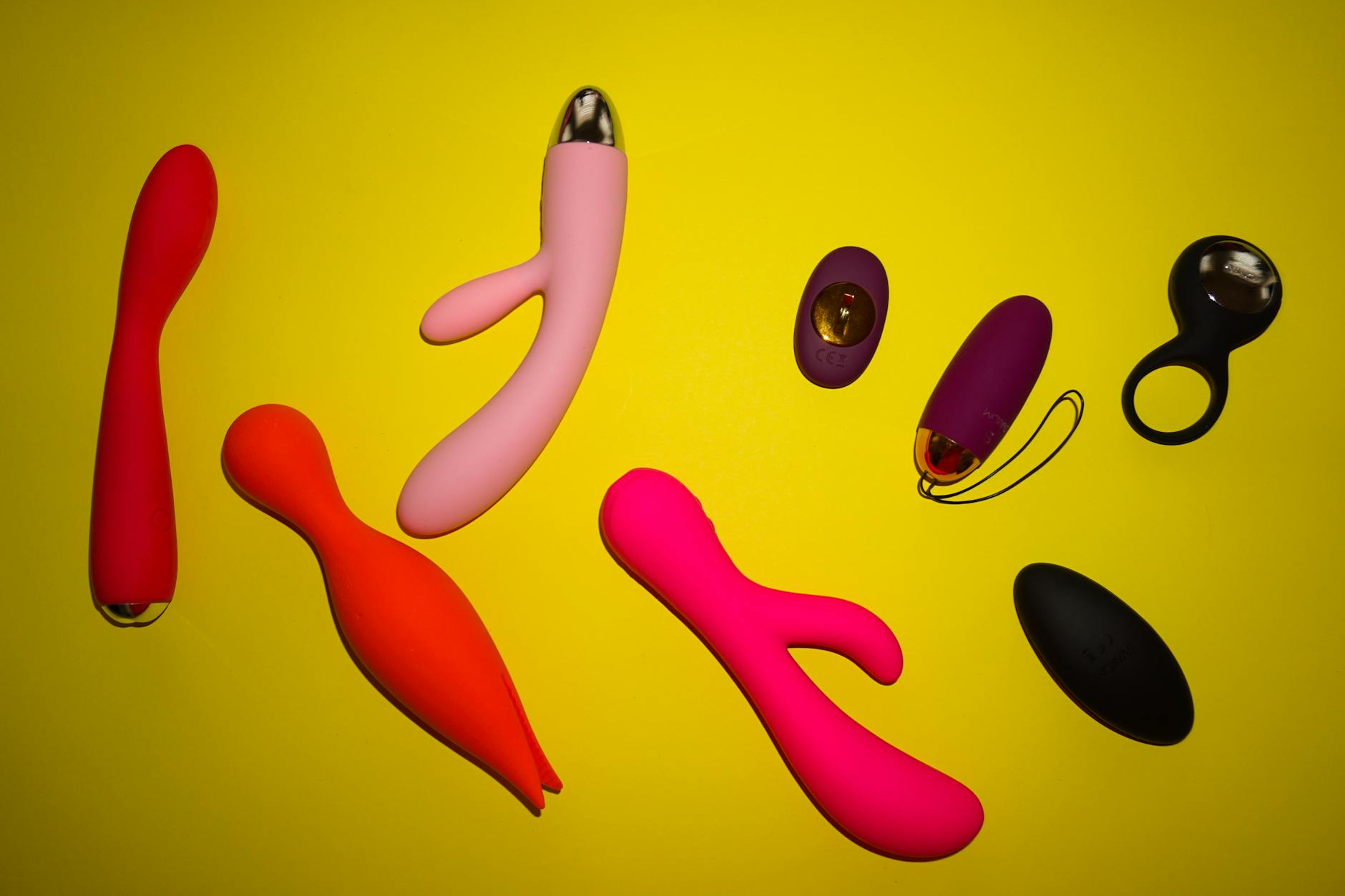
The toy itself often looks less intimidating once they see it in person. A clitoral vibrator like the Hello Nancy lemon vibrator is small, elegant, and honestly kind of beautiful. It doesn't scream "I'm compensating for something." It looks like someone thought carefully about the design.
When you first introduce the physical toy, let your partner hold it. Let them press the button. Let them feel the patterns. Demystify it. "It's not invasive. It sits on top. It's just a different kind of stimulation."
Many partners are surprised by how gentle the lower settings feel. They expected something aggressive. What they find is something precision-focused, almost delicate. That realization shifts their entire relationship to the object.
You might even say something like: "Want to try it on your arm first?" Let them feel the sensation in a completely neutral context. That gives their nervous system permission to relax.
Timing and context matter
Don't introduce the lemon vibrator during your first attempt at partnered play with it. That's too much pressure.
Instead, use it solo a few times (or let your partner watch, if they're comfortable). Let the novelty wear off a little. Let it become normal in your shared space. Then, when you're both in an intimate moment and things are already feeling good, you can say, "Want to try it together?" in a casual, low-stakes way.
The phrasing is important: "Want to try it together?" not "Do you want to use it on me?" The first feels collaborative. The second can feel like you're handing them a task.
How to actually use it together
Start with your partner having some control. They might hold it. They might apply it. This gives them agency and makes it feel less like something happening to you and more like something you're doing with them.
Take your time with lower intensity settings. There's no race to pattern 5. Stay at 1 or 2 while you're both getting used to the sensation and the presence of the toy in your intimate space.
If your partner is using it on you, guide them. "Lighter" or "A little lower" or "Yes, right there." Let them learn what you respond to. That's actually incredibly validating for a nervous partner. They get to feel competent and connected.
Build in plenty of time for non-toy intimacy. The lemon vibrator shouldn't become the main event. It's an addition to what you already do together, not a replacement.
The feelings that come up (and how to handle them)
Sometimes, even when a partner is intellectually on board, they'll feel something unexpected the first time you actually use the toy together. Excitement mixed with inadequacy. Arousal mixed with anxiety. These feelings can coexist.
If your partner goes quiet or seems to shut down mid-experience, pause everything. Not because something went wrong, but because checking in is how you build trust. "How are you feeling?" is not a trick question. It's an offer to process together.
You might hear things like "I feel weird" or "I'm overthinking." Both are normal. Sometimes the solution is to take a break. Sometimes it's to keep going but slower. Sometimes it's to switch roles and have your partner experience the sensation themselves, which can be weirdly reassuring.
Keep talking afterward. What felt good? What felt strange? What do you want to try next time? This kind of debrief is where real intimacy happens.
What often surprises partners
After the first or second experience, most nervous partners are surprised by one or more of these things:
The sensation is gentler than they expected. Air-suction vibrators don't feel invasive or aggressive. They feel focused and precise.
Their partner's pleasure is genuinely arousing to them. Once they get past the anxiety, many partners find that witnessing their partner's response is deeply connecting.
There's no pressure to "perform" a certain way. The lemon vibrator just does what it does. Your partner doesn't have to maintain a particular speed or rhythm or angle. They can relax.
It actually brings you closer. Vulnerability builds intimacy. Admitting fears and moving through them together is one of the most connecting things couples can do.
When to check in again
Don't assume that the first successful experience means your partner is "cured" of their nervousness. Some people need multiple positive experiences before they fully relax around the idea.
Every few experiences, ask: "How are you feeling about this?" You might get different answers at different times. That's okay. You're building a shared vocabulary around pleasure and exploration.
If your partner continues to seem uncomfortable after several experiences, that's also information worth honoring. Not all couples are meant to explore together. Some people's comfort is better served by solo play. If that's the case for your situation, that's a valid choice, not a failure.
The bigger picture
Introducing a clitoral vibrator into coupled play isn't really about the toy. It's about choosing vulnerability together. It's about saying "I want us both to feel good, and I'm willing to be uncomfortable to make that happen." It's about trusting your partner enough to admit what you want and respecting them enough to hear what they need.
Most nervous partners become curious partners. Curious partners often become enthusiastic partners. And enthusiastic partners? They usually tell you afterward that they're glad you brought it up. They just needed the right frame and the right pace and the assurance that they weren't being replaced. They were being included.
People also ask
What if my partner says no and doesn't want to try?
That's their boundary, and it deserves respect. You have some options: you can accept that this particular exploration isn't shared and enjoy solo play instead. You can revisit the conversation in a few months when they might feel differently. Or you can work with a couples therapist to explore what's underneath the resistance. But pushing a no is how you build resentment, not intimacy.
Can we use a lemon vibrator if my partner is completely new to toys?
Absolutely. In fact, lemon clitoral vibrators are often the best entry point for couples because they're intuitive, gentle on lower settings, and don't require insertion or penetration. The air-suction technology feels fundamentally different from traditional vibrators, which sometimes makes nervous partners less anxious because it's not what they feared.
Is it normal for a partner to feel replaced or inadequate?
It's so common. The conversation you'll need to have is specific and repeated: "This isn't about you not being enough. It's about exploring sensation together. Your pleasure and presence matter."
You might also point out that you wouldn't feel comfortable using the toy with them if you didn't feel connected and safe with them. The toy requires trust and vulnerability. Those are compliments.
How do I know if my partner is actually okay with it or just saying yes to make me happy?
Watch for enthusiasm versus compliance. Real comfort looks like curiosity. It looks like touching the toy without being asked. It looks like asking questions. Mere compliance looks like silence or agreement without engagement. If you see compliance, pause and ask directly: "I want to make sure you're actually into this, not just going along with it." That honesty matters.
What if we try it once and my partner never wants to again?
That's fine. One experience is enough data. You now know what you both feel about it. Some people try something, decide it's not for them, and that's a complete sentence. Respect that. The intimacy here is the willingness to try together, not the ongoing use of the toy.
How long should we wait between conversations about toys and actually using them together?
There's no formula. Some partners need a few days to sit with the idea. Some need a few weeks. The key is: they should bring it up themselves at some point. "Ready to try?" from them is very different than "Can we try today?" from you. Let them set the pace once you've opened the door.
What comes next
Most couples who successfully introduce toys together find that it opens a bigger conversation about pleasure, desire, and what they actually want from their sex life. That's the real win. The toy is just the catalyst.
If you'd like to explore more about building intimacy during life transitions or relationship shifts, the team at Hello Nancy has resources on building pleasure and connection after menopause and understanding how your body responds to different types of stimulation.
The willingness to be vulnerable and curious with your partner is what matters most. The toy is just the beautiful, thoughtfully designed vehicle for that.